THE ADVENTURE COLLECTIVE® · Independent discovery and booking for outdoor travel

A full-day journey from Cusco to the striking striped slopes of Palcoyo, featuring a 50-minute uphill hike, a colonial bridge stop, and optional stone forest exploration. Ideal for travelers who have acclimatized and want high-altitude scenery with cultural context.
A full-day journey from Cusco to the striking striped slopes of Palcoyo, featuring a 50-minute uphill hike, a colonial bridge stop, and optional stone forest exploration. Ideal for travelers who have acclimatized and want high-altitude scenery with cultural context.
You step out of the van at 4,700–4,900 meters and the mountain greets you in stripes of ochre, rust and mint—colors that seem to dare you to look closer. The air is thin; each breath is deliberate. The trail climbs steadily for about 50 minutes over tussock grass and compacted earth to a wide viewpoint that frames three multicolored ridges.
Verified experiences and guided adventures in the surrounding area.
Operated by Rap Travel Peru · Cusco, Cusco
You step out of the van at 4,700–4,900 meters and the mountain greets you in stripes of ochre, rust and mint—colors that seem to dare you to look closer. The air is thin; each breath is deliberate. The trail climbs steadily for about 50 minutes over tussock grass and compacted earth to a wide viewpoint that frames three multicolored ridges.
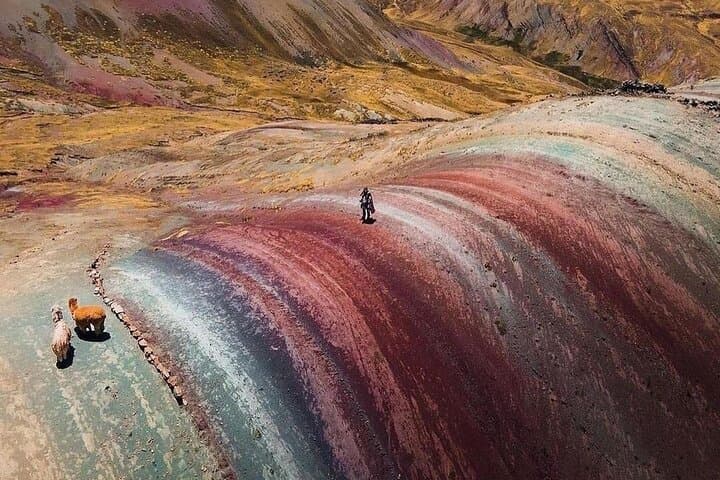
The route winds through the Combapata valley with a cultural stop at the colonial bridge of Checacupe, a short reminder of Spanish-era trade routes and local Quechua communities that still herd llamas across the high puna. Geologically, the bands are the result of mineral-laden sedimentary layers uplifted and exposed by glacial and tectonic action; iron and copper oxides paint the slopes in bold bands.
Expect open, windswept terrain, intermittent scree, and a chance to explore a nearby stone forest—weathered limestone outcrops that add a lunar texture to the landscape. Guides share local stories and manage logistics; a buffet lunch back at the restaurant refuels you before the return drive to Cusco.
Practical edge: acclimatize in Cusco for 24–48 hours, carry at least 2 liters of water, and layer for sun, wind and cold. Footing is uneven in places—sturdy boots help. Visit during the dry months for the clearest colors; during the rainy season, hues wash out and trails can be slippery. This is a full-day outing (10–12 hours including transport) that pairs high-altitude scenery with concise hiking and cultural stops—an accessible, singular Andean experience for prepared travelers.
moderate.
10–12 hours.
Moderate fitness required: able to walk uphill for ~50 minutes at high altitude and tolerate long vehicle transfers.
The hike from the trailhead to the main viewpoint is about 45–60 minutes one way on a steady uphill trail.
Yes—because the site sits near 4,800–4,900 m, spending 24–48 hours in Cusco beforehand is strongly recommended to reduce altitude sickness risk.
Most full-day tours include round-trip transport from hotels in Cusco’s historic center, plus a breakfast stop and buffet lunch as described in the itinerary.
Basic restroom facilities are typically available at the breakfast restaurant and the main visitor area, but not along the ascent—carry hand sanitizer and supplies.
Checacupe bridge dates to the colonial era and marks historic trade routes; surrounding communities maintain Quechua traditions and pastoral livelihoods.
High-altitude puna and fragile soils are easily eroded—stay on designated paths, pack out waste, and support local guides to minimize impact.
Rap Travel Peru operates guided outdoor trips and adventures with an emphasis on safety, stewardship, and memorable experiences.
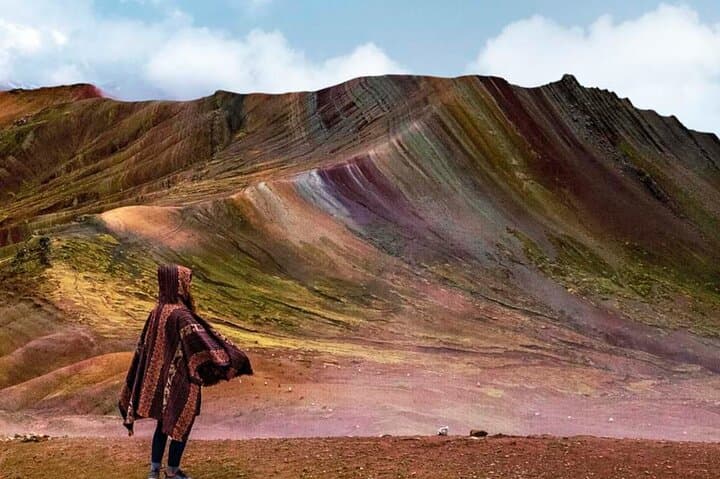
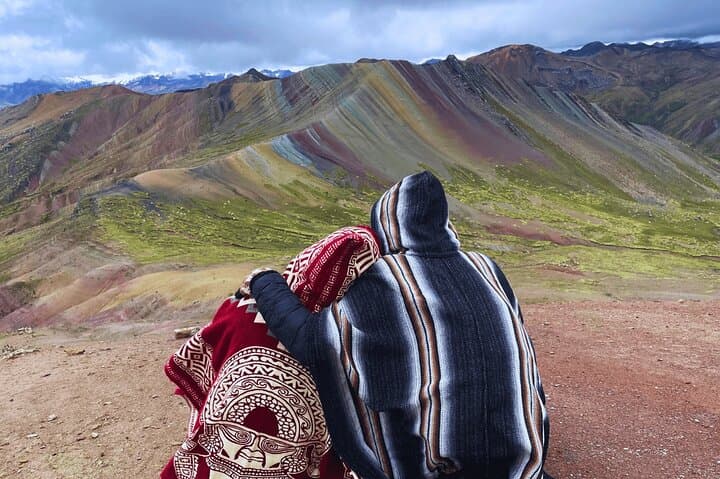
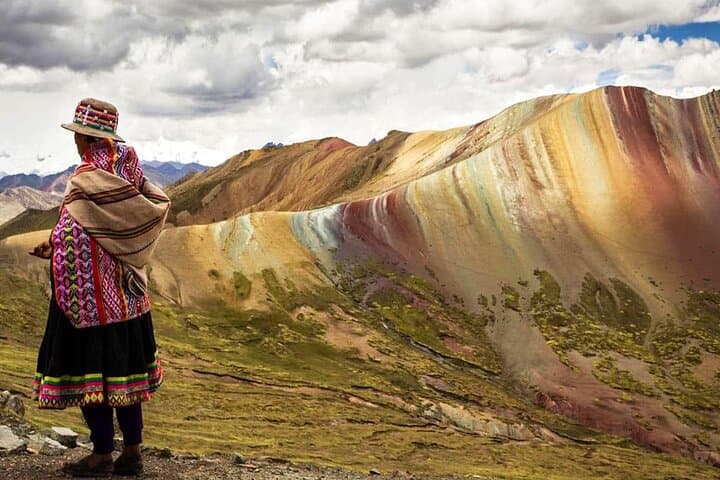
You step out of the van at 4,700–4,900 meters and the mountain greets you in stripes of ochre, rust and mint—colors that seem to dare you to look closer. The air is thin; each breath is deliberate. The trail climbs steadily for about 50 minutes over tussock grass and compacted earth to a wide viewpoint that frames three multicolored ridges.
You step out of the van at 4,700–4,900 meters and the mountain greets you in stripes of ochre, rust and mint—colors that seem to dare you to look closer. The air is thin; each breath is deliberate. The trail climbs steadily for about 50 minutes over tussock grass and compacted earth to a wide viewpoint that frames three multicolored ridges.
The route winds through the Combapata valley with a cultural stop at the colonial bridge of Checacupe, a short reminder of Spanish-era trade routes and local Quechua communities that still herd llamas across the high puna. Geologically, the bands are the result of mineral-laden sedimentary layers uplifted and exposed by glacial and tectonic action; iron and copper oxides paint the slopes in bold bands.
Expect open, windswept terrain, intermittent scree, and a chance to explore a nearby stone forest—weathered limestone outcrops that add a lunar texture to the landscape. Guides share local stories and manage logistics; a buffet lunch back at the restaurant refuels you before the return drive to Cusco.
Practical edge: acclimatize in Cusco for 24–48 hours, carry at least 2 liters of water, and layer for sun, wind and cold. Footing is uneven in places—sturdy boots help. Visit during the dry months for the clearest colors; during the rainy season, hues wash out and trails can be slippery. This is a full-day outing (10–12 hours including transport) that pairs high-altitude scenery with concise hiking and cultural stops—an accessible, singular Andean experience for prepared travelers.