THE ADVENTURE COLLECTIVE® · Independent discovery and booking for outdoor travel

Spend a full day from Cusco exploring the accessible Palccoyo rainbow peaks and the last Inca suspension bridge at Q’eswachaka. This high‑altitude route combines short alpine hikes, sweeping views of Ausangate, and a living cultural ritual.
Spend a full day from Cusco exploring the accessible Palccoyo rainbow peaks and the last Inca suspension bridge at Q’eswachaka. This high‑altitude route combines short alpine hikes, sweeping views of Ausangate, and a living cultural ritual.
A pale dawn lifts off the high puna as your vehicle climbs away from Cusco and the air thins toward the Vilcanota range. By midmorning you stand at Huallatakunka, boots on compacted volcanic gravel, watching color-striated slopes unfold—three rounded ridges of purple, ochre and rust that read like a geological ledger. The wind pushes at your layers; Ausangate looms, a snow-scarred giant that still feeds the sacred Willkamayu.
Verified experiences and guided adventures in the surrounding area.
Operated by VIPAC Travel · Cusco, Cusco Region
A pale dawn lifts off the high puna as your vehicle climbs away from Cusco and the air thins toward the Vilcanota range. By midmorning you stand at Huallatakunka, boots on compacted volcanic gravel, watching color-striated slopes unfold—three rounded ridges of purple, ochre and rust that read like a geological ledger. The wind pushes at your layers; Ausangate looms, a snow-scarred giant that still feeds the sacred Willkamayu.
Geology here is blunt and recent: mineral-laden sediments and glacial polishing create the banded hues, while the Vilcanota (Urubamba) system carves the valley below. Culture threads through the route—Andean communities maintain ancestral grazing lands, and later the tour follows to Quehue where Q’eswachaka, a 28‑meter woven grass suspension bridge, is rebuilt each year by neighboring villages using Inca-era techniques.
The hike itself is short but high: expect 1.5–3 km round trip with 100–300 m of gain, topping out near 4,900–5,000 m. Terrain is packed dirt and loose scree with short steeper pitches; views reward steady pacing. Practical notes: start early to avoid afternoon clouds, sip water regularly to ease altitude strain, and layer for sharp temperature swings. Bring sun protection, trekking poles for balance, and respect grazing llamas and local rituals at Q’eswachaka.
This full‑day outing pairs accessible alpine walking with living cultural history—ideal for travelers who want a high‑altitude landscape that’s vivid, compact, and rich in human meaning.
moderate.
12 hours (full-day).
Good aerobic fitness recommended due to sustained high altitude; regular walkers should manage with acclimatization.
Palccoyo is generally shorter and lower-impact than Vinicunca with gentler approaches and multiple close viewpoints, but altitude still makes both challenging without acclimatization.
Yes—the bridge is maintained through an annual community reconstruction ritual and guides will advise crossing protocol; the span is about 28 meters with traditional grass ropes.
Most full‑day tours include lunch and provide bottled water, but bring a refillable bottle and snacks in case of delays and to reduce plastic waste.
This tour is not recommended for pregnant travelers and young children may struggle with altitude; check provider restrictions and consult a physician if unsure.
The Vilcanota (Willkamayu) watershed feeds the Inca heartland; Q’eswachaka is one of the last surviving examples of communal Inca bridge‑building and is reassembled annually by local communities.
High‑altitude grasslands are fragile—stay on marked paths, pack out waste, and support local guides to ensure community benefits from tourism.
VIPAC Travel operates guided outdoor trips and adventures with an emphasis on safety, stewardship, and memorable experiences.
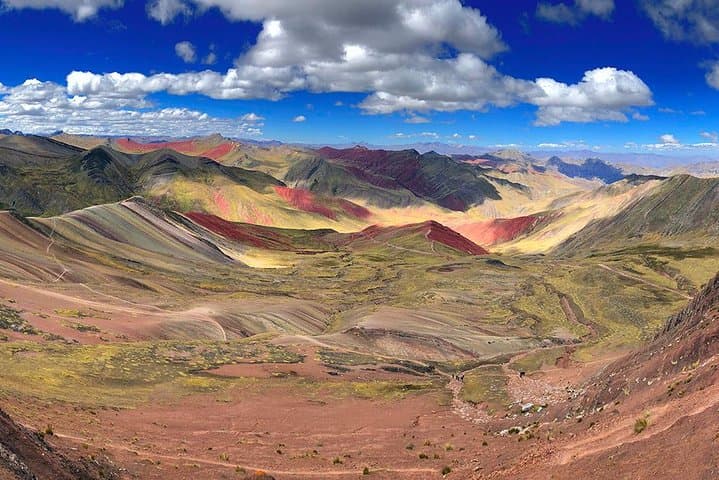
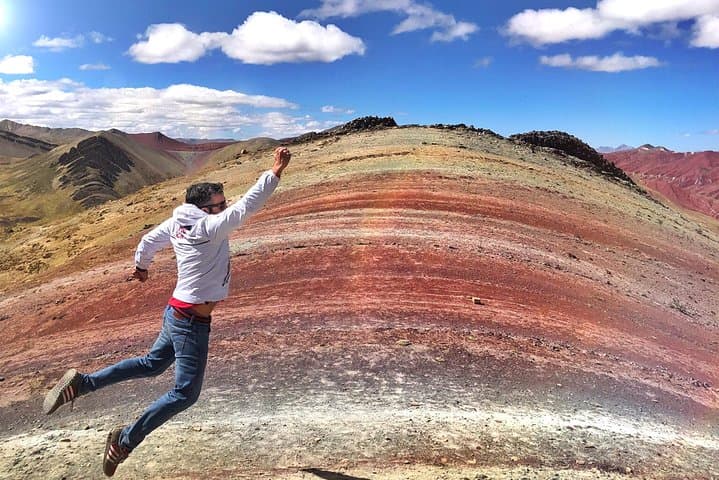
A pale dawn lifts off the high puna as your vehicle climbs away from Cusco and the air thins toward the Vilcanota range. By midmorning you stand at Huallatakunka, boots on compacted volcanic gravel, watching color-striated slopes unfold—three rounded ridges of purple, ochre and rust that read like a geological ledger. The wind pushes at your layers; Ausangate looms, a snow-scarred giant that still feeds the sacred Willkamayu.
A pale dawn lifts off the high puna as your vehicle climbs away from Cusco and the air thins toward the Vilcanota range. By midmorning you stand at Huallatakunka, boots on compacted volcanic gravel, watching color-striated slopes unfold—three rounded ridges of purple, ochre and rust that read like a geological ledger. The wind pushes at your layers; Ausangate looms, a snow-scarred giant that still feeds the sacred Willkamayu.
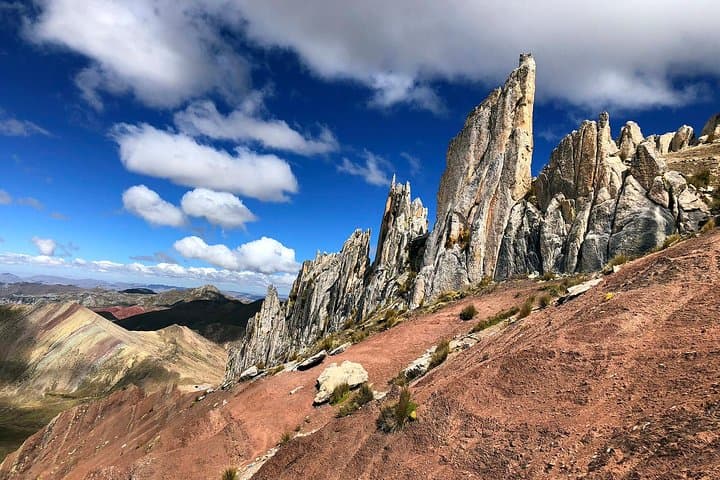
Geology here is blunt and recent: mineral-laden sediments and glacial polishing create the banded hues, while the Vilcanota (Urubamba) system carves the valley below. Culture threads through the route—Andean communities maintain ancestral grazing lands, and later the tour follows to Quehue where Q’eswachaka, a 28‑meter woven grass suspension bridge, is rebuilt each year by neighboring villages using Inca-era techniques.
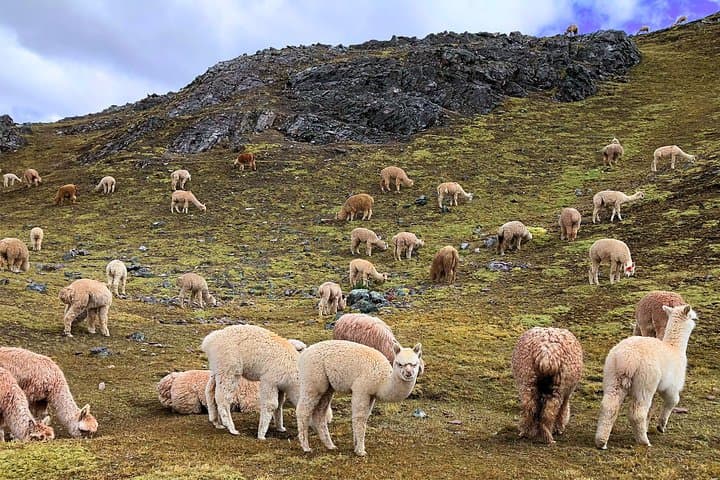
The hike itself is short but high: expect 1.5–3 km round trip with 100–300 m of gain, topping out near 4,900–5,000 m. Terrain is packed dirt and loose scree with short steeper pitches; views reward steady pacing. Practical notes: start early to avoid afternoon clouds, sip water regularly to ease altitude strain, and layer for sharp temperature swings. Bring sun protection, trekking poles for balance, and respect grazing llamas and local rituals at Q’eswachaka.
This full‑day outing pairs accessible alpine walking with living cultural history—ideal for travelers who want a high‑altitude landscape that’s vivid, compact, and rich in human meaning.