THE ADVENTURE COLLECTIVE® · Independent discovery and booking for outdoor travel

Choose Palccoyo for rainbow-striped slopes with an easier, less-crowded approach from Cusco. This 12-hour day trip balances high‑altitude scenery with manageable walking and cultural stops.
Choose Palccoyo for rainbow-striped slopes with an easier, less-crowded approach from Cusco. This 12-hour day trip balances high‑altitude scenery with manageable walking and cultural stops.
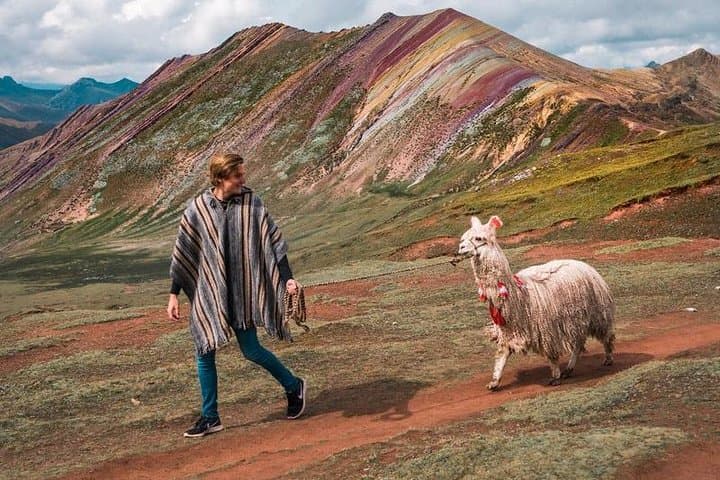
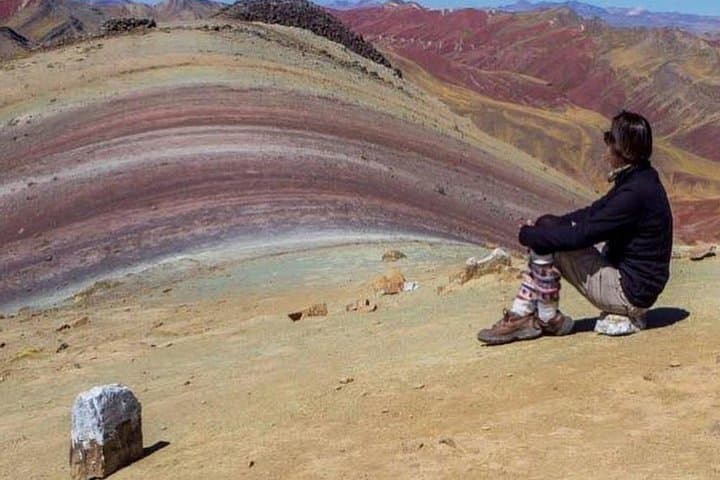
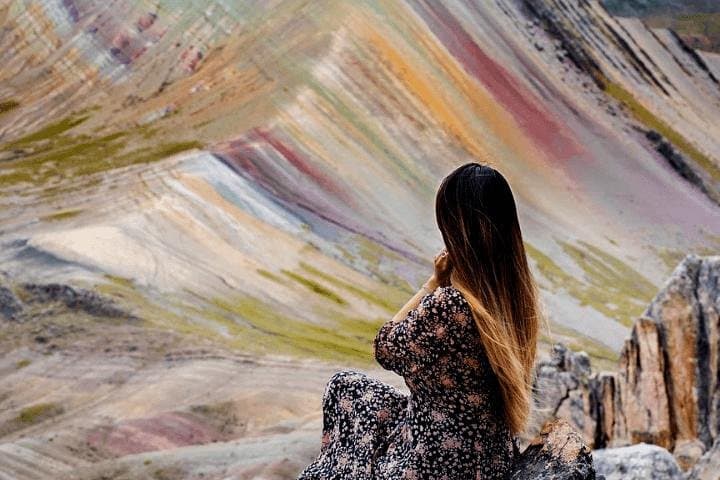
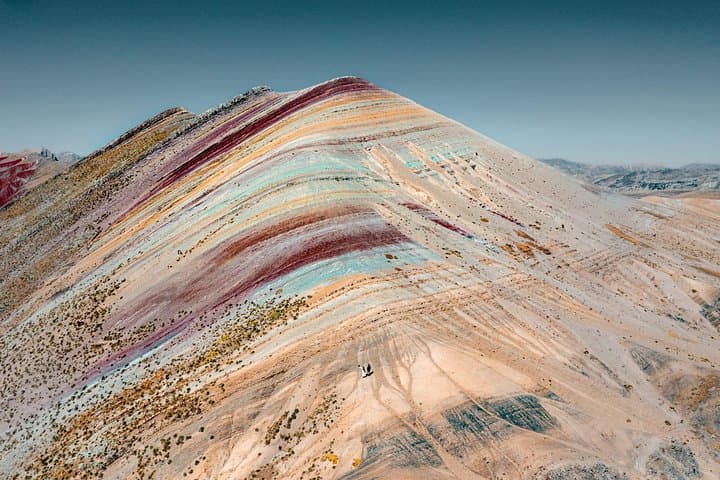
A thin highland wind moves across ochre slopes as the bus climbs out of Cusco before dawn. On arrival at Palccoyo the ridges catch light in bands of rust, ochre and mint, a geological palette carved by mineral-rich sediments and millennia of uplift. The trail is shorter and gentler than Vinicunca’s steep approach; instead of a direct assault you walk along a rounded ridge that rewards steady breathing with broad vantage points over the Cordillera.
Verified experiences and guided adventures in the surrounding area.
Operated by Machu Picchu Peru Cusco · Cusco, Cusco
A thin highland wind moves across ochre slopes as the bus climbs out of Cusco before dawn. On arrival at Palccoyo the ridges catch light in bands of rust, ochre and mint, a geological palette carved by mineral-rich sediments and millennia of uplift. The trail is shorter and gentler than Vinicunca’s steep approach; instead of a direct assault you walk along a rounded ridge that rewards steady breathing with broad vantage points over the Cordillera.
Geology here reads like an open book: iron, copper and other trace minerals stain layers laid down when this basin was a seabed, later folded and exposed by the Andean orogeny. The route passes pastoral puna, stone corrals, and the odd alpaca herd tended by local Quechua families whose ancestral practices still shape the landscape. You’ll see colonial-era stone bridges on the drive and windblown “forest of stones” carved by freeze, thaw and wind.
Practically, expect 12 hours door-to-door from central Cusco with a mix of paved and dirt roads, a hike of roughly 1–3 miles on uneven high‑altitude terrain (4,200–4,900 m / 13,780–16,076 ft). Pace yourself: oxygen shots are commonly offered, and guides include hotel pickup, lunch and basic first aid.
Best times are dry season mornings (May–September) for clearer skies; layers, sun protection and steady hydration make the day manageable. The Palccoyo option is ideal for travelers seeking rainbow hues without the steeper climbs and crowds of Vinicunca.
moderate.
12 hours (door-to-door).
Moderate fitness; must tolerate sustained walking at high altitude and occasional steep pitches
Palccoyo’s trail is shorter and less steep, offering similar colorful vistas with milder climbs—better for travelers with moderate fitness.
Yes—Palccoyo sits above 4,000 m; acclimatize in Cusco, move slowly, hydrate and consider medication if prone to severe symptoms.
Typical tours include round-trip transport from Cusco, pickup/drop-off, and a local lunch as listed in the inclusions.
Dry season (May–September) mornings usually offer the clearest skies and most stable conditions for photos.
The area is within traditional Quechua territory and shows both pre‑Incan pastoral land use and colonial-era stonework along the route.
Trails are fragile at high elevation; stick to established paths, pack out waste, and support local guides to help fund conservation and community benefits.
Machu Picchu Peru Cusco operates guided outdoor trips and adventures with an emphasis on safety, stewardship, and memorable experiences.
A thin highland wind moves across ochre slopes as the bus climbs out of Cusco before dawn. On arrival at Palccoyo the ridges catch light in bands of rust, ochre and mint, a geological palette carved by mineral-rich sediments and millennia of uplift. The trail is shorter and gentler than Vinicunca’s steep approach; instead of a direct assault you walk along a rounded ridge that rewards steady breathing with broad vantage points over the Cordillera.
A thin highland wind moves across ochre slopes as the bus climbs out of Cusco before dawn. On arrival at Palccoyo the ridges catch light in bands of rust, ochre and mint, a geological palette carved by mineral-rich sediments and millennia of uplift. The trail is shorter and gentler than Vinicunca’s steep approach; instead of a direct assault you walk along a rounded ridge that rewards steady breathing with broad vantage points over the Cordillera.
Geology here reads like an open book: iron, copper and other trace minerals stain layers laid down when this basin was a seabed, later folded and exposed by the Andean orogeny. The route passes pastoral puna, stone corrals, and the odd alpaca herd tended by local Quechua families whose ancestral practices still shape the landscape. You’ll see colonial-era stone bridges on the drive and windblown “forest of stones” carved by freeze, thaw and wind.
Practically, expect 12 hours door-to-door from central Cusco with a mix of paved and dirt roads, a hike of roughly 1–3 miles on uneven high‑altitude terrain (4,200–4,900 m / 13,780–16,076 ft). Pace yourself: oxygen shots are commonly offered, and guides include hotel pickup, lunch and basic first aid.
Best times are dry season mornings (May–September) for clearer skies; layers, sun protection and steady hydration make the day manageable. The Palccoyo option is ideal for travelers seeking rainbow hues without the steeper climbs and crowds of Vinicunca.