THE ADVENTURE COLLECTIVE® · Independent discovery and booking for outdoor travel

Palccoyo offers a more accessible rainbow-mountain experience than Vinicunca: a short, high-altitude walk to colorful ridges and a nearby forest of colorful stones. This day tour from Cusco is ideal for acclimatizing hikers wanting vivid geology without a technical climb.
Palccoyo offers a more accessible rainbow-mountain experience than Vinicunca: a short, high-altitude walk to colorful ridges and a nearby forest of colorful stones. This day tour from Cusco is ideal for acclimatizing hikers wanting vivid geology without a technical climb.
At first light a bus slips out of Cusco and the high puna opens like a page; frosted fields and stone barns slide past until the road delivers walkers to Palccoyo’s village and the air thins. The hike itself is a short, steady climb to 4,900 meters where layered colors streak the ridgeline — iron reds, coppery browns and pale greens that seem to push one another into view.
Verified experiences and guided adventures in the surrounding area.
Operated by Machu Picchu · Cusco, Cusco
At first light a bus slips out of Cusco and the high puna opens like a page; frosted fields and stone barns slide past until the road delivers walkers to Palccoyo’s village and the air thins. The hike itself is a short, steady climb to 4,900 meters where layered colors streak the ridgeline — iron reds, coppery browns and pale greens that seem to push one another into view.
Geology here is direct: mineral-rich sedimentary beds uplifted and eroded to expose bands of iron, manganese and carbonate. The result is a broad, gentler ridge compared with Vinicunca’s steep face, which makes Palccoyo a good choice for acclimatizing hikers. Culturally this is Quechua country — herders and small farming communities maintain trade routes and pastoral rhythms that predate colonial maps. Guides will explain local legends and point out grazing llamas and high-altitude crops.
Expect a 1-hour walk on rocky, sometimes loose terrain at high altitude, interspersed with viewpoints and a short visit to the nearby Forest of Colorful Stones. The sun is fierce and the wind speaks; dress in layers, carry extra water, and let your breathing set the pace. Plan for an early pickup from Cusco around 4–5 a.m., a simple breakfast near Checacupe, and a full-day return to the city by early evening.
Practical notes: bring sunscreen, a warm insulated jacket for summit photos, and trekking poles included on many tours. If you have respiratory or cardiovascular conditions, consult a doctor — altitude is the main challenge here. With basic fitness, careful pacing and respect for the high puna, Palccoyo offers vivid geology, quiet panoramas and a doable day outside Cusco.
moderate.
12 hours (full day).
Moderate fitness; able to walk 1 hour at high altitude and tolerate long vehicle transfers
The walk to the viewing ridge is short (about 1 hour) but at high altitude; it’s moderate effort—pacing and acclimatization matter more than technical skill.
Most tours include hotel pickup, bus transport, breakfast, a bilingual guide, walking sticks, a buffet lunch, and basic first aid supplies.
Not recommended for people with serious cardiovascular or respiratory conditions or for pregnant travelers; check with your doctor due to altitude.
Palccoyo tends to be less crowded due to gentler access and smaller tour groups, but peak tourist seasons still bring more visitors; early departures help avoid crowds.
The Palccoyo area is part of the Quechua-speaking highlands and forms part of traditional grazing and seasonal transhumance routes used for centuries.
Stick to marked trails, avoid disturbing grazing herds, and pack out waste; fragile soils and slow plant recovery at high altitude make visitor impact long-lasting.
Machu Picchu operates guided outdoor trips and adventures with an emphasis on safety, stewardship, and memorable experiences.
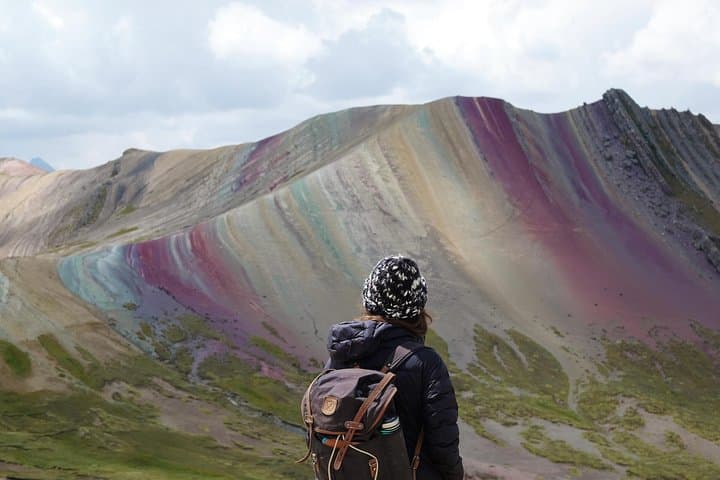
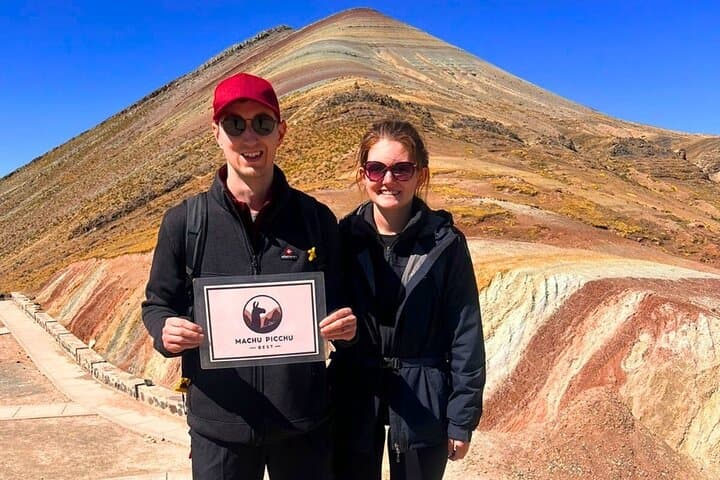

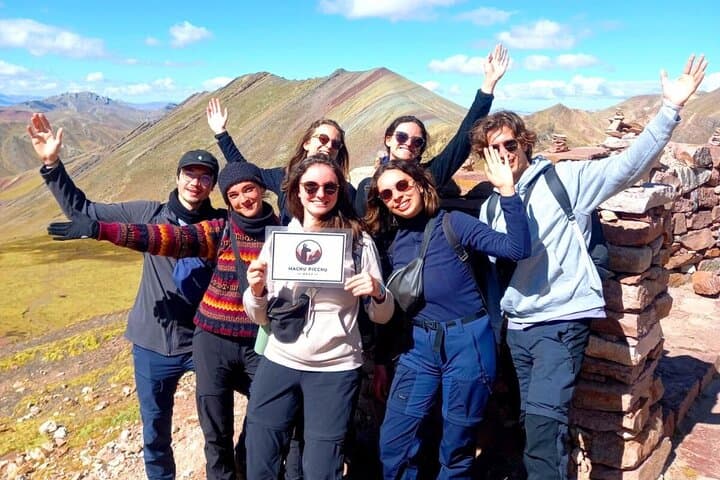
At first light a bus slips out of Cusco and the high puna opens like a page; frosted fields and stone barns slide past until the road delivers walkers to Palccoyo’s village and the air thins. The hike itself is a short, steady climb to 4,900 meters where layered colors streak the ridgeline — iron reds, coppery browns and pale greens that seem to push one another into view.
At first light a bus slips out of Cusco and the high puna opens like a page; frosted fields and stone barns slide past until the road delivers walkers to Palccoyo’s village and the air thins. The hike itself is a short, steady climb to 4,900 meters where layered colors streak the ridgeline — iron reds, coppery browns and pale greens that seem to push one another into view.
Geology here is direct: mineral-rich sedimentary beds uplifted and eroded to expose bands of iron, manganese and carbonate. The result is a broad, gentler ridge compared with Vinicunca’s steep face, which makes Palccoyo a good choice for acclimatizing hikers. Culturally this is Quechua country — herders and small farming communities maintain trade routes and pastoral rhythms that predate colonial maps. Guides will explain local legends and point out grazing llamas and high-altitude crops.
Expect a 1-hour walk on rocky, sometimes loose terrain at high altitude, interspersed with viewpoints and a short visit to the nearby Forest of Colorful Stones. The sun is fierce and the wind speaks; dress in layers, carry extra water, and let your breathing set the pace. Plan for an early pickup from Cusco around 4–5 a.m., a simple breakfast near Checacupe, and a full-day return to the city by early evening.
Practical notes: bring sunscreen, a warm insulated jacket for summit photos, and trekking poles included on many tours. If you have respiratory or cardiovascular conditions, consult a doctor — altitude is the main challenge here. With basic fitness, careful pacing and respect for the high puna, Palccoyo offers vivid geology, quiet panoramas and a doable day outside Cusco.