THE ADVENTURE COLLECTIVE® · Independent discovery and booking for outdoor travel

Walk the Passadiços do Paiva: an 8.7 km river-side wooden walkway in Arouca with steep stair sections, geological highlights and a private-tour option that includes transfers and park fees. Expect river beaches, shaded gorges and dramatic viewpoint stops.
Walk the Passadiços do Paiva: an 8.7 km river-side wooden walkway in Arouca with steep stair sections, geological highlights and a private-tour option that includes transfers and park fees. Expect river beaches, shaded gorges and dramatic viewpoint stops.
Morning light slices between limestone ledges as you step onto the wooden planks of the Passadiços do Paiva. The walkway clings to the left bank of the Paiva River, guiding a steady procession of walkers along 8.7 km of engineered trail that alternates sunlit beaches, shaded chasms and steep staircases. The river below dares you closer with riffles, quartz-strewn shallows and the occasional plunge pool.
Verified experiences and guided adventures in the surrounding area.
Operated by abc Travel · Arouca, Aveiro
Morning light slices between limestone ledges as you step onto the wooden planks of the Passadiços do Paiva. The walkway clings to the left bank of the Paiva River, guiding a steady procession of walkers along 8.7 km of engineered trail that alternates sunlit beaches, shaded chasms and steep staircases. The river below dares you closer with riffles, quartz-strewn shallows and the occasional plunge pool.
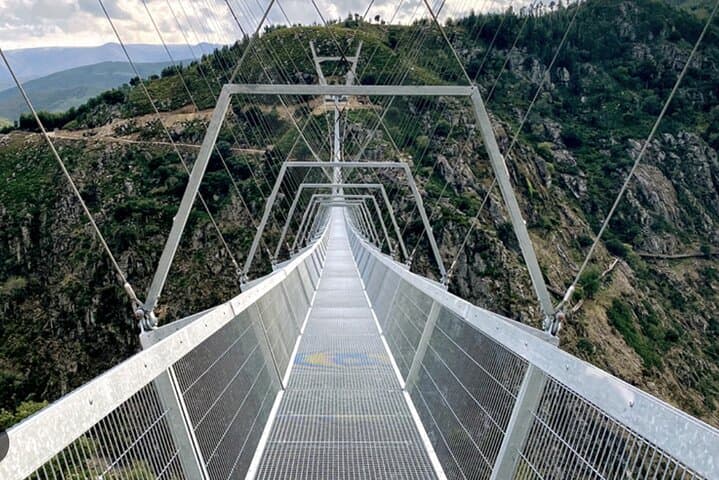
The route threads through geosites shaped by regional Variscan geology and Pleistocene river incision; exposed quartz veins and steep gorges tell of tectonic stress and long erosion. Human history is present too—small river beaches and settlements have long used the Paiva for freshwater and transport. Nearby Arouca’s cultural identity is tied to rural mountain life and the recent addition of the Arouca 516 suspension bridge, a high, dramatic promenade that complements the walkways’ river-side intimacy.
Practically: expect steep sections and many stairs—fitness and good footwear matter. The official walkway is managed and signed; many groups choose a private guided tour to include hotel transfer, national park fees and local context. Bring water, sun protection and a small pack for trash you carry out. Cameras and steady shoes will reward you: viewpoints open suddenly and the river’s color changes with light.
Timing: arrive mid-morning or late afternoon to avoid the busiest hours and hottest sun. Observe posted rules—no bikes, no pets, and stay on the walkway to protect fragile flora and nesting birds. The Paiva Walkways are an active, tactile way to meet northern Portugal’s geology and riverscape without technical climbing, but with a persistent sense of wildness beneath your feet.
challenging.
2–3 hours (walking); 8–10 hours total tour including transfers.
Requires moderate to good cardiovascular fitness and comfort on stairs and steep, uneven terrain
The linear walkway between Areinho and Espiunca covers about 8.7 km and typically takes 2–3 hours on foot, depending on pace and stops.
Children are welcome but must be accompanied by adults; strollers and prams are forbidden due to many stairs and narrow sections.
Yes—there are river beaches like Vau, Areinho and Espiunca where you can refresh, but check water conditions and follow safety signage.
No—animals are prohibited to protect wildlife and for the safety of all visitors.
The Paiva valley records millennia of river-driven landscape change; small settlements in Arouca historically used these waters for milling and freshwater resources, while recent investment made the walkway a flagship attraction.
The walkway protects sensitive riverbank habitats by concentrating foot traffic; visitors are asked to stay on the boardwalk, avoid collecting specimens and carry out trash to limit erosion and disturbance.
abc Travel operates guided outdoor trips and adventures with an emphasis on safety, stewardship, and memorable experiences.
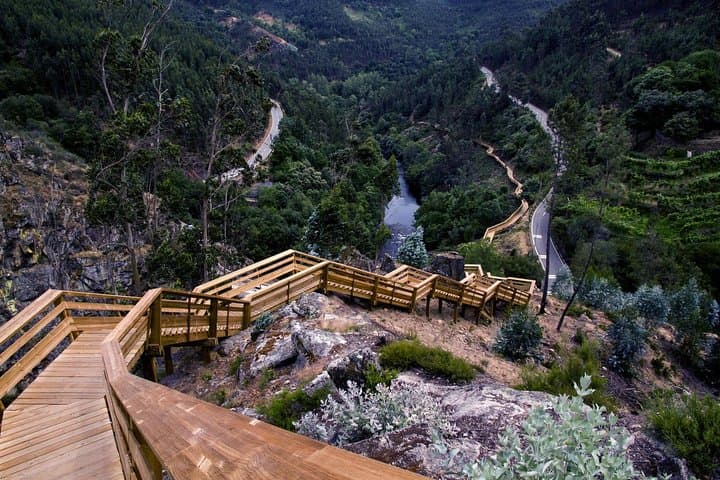
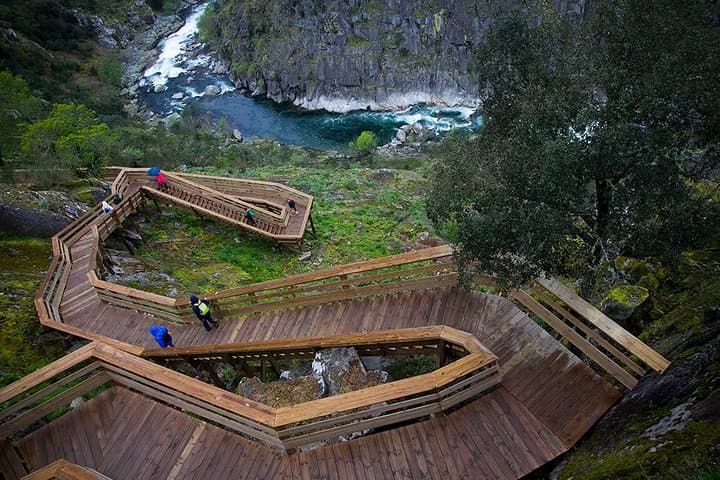
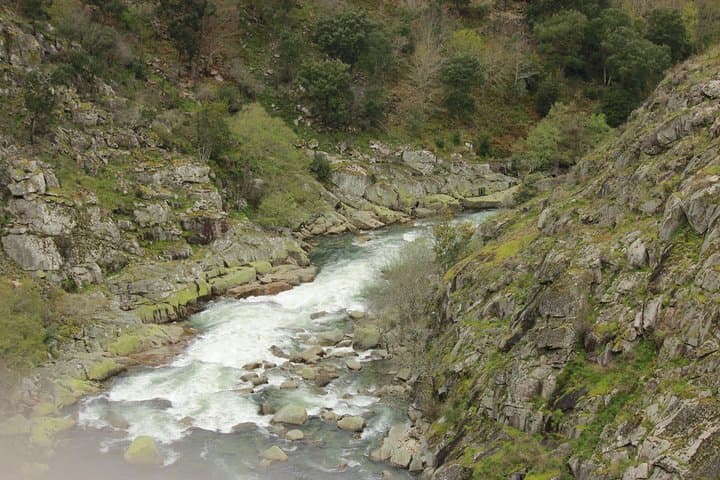
Morning light slices between limestone ledges as you step onto the wooden planks of the Passadiços do Paiva. The walkway clings to the left bank of the Paiva River, guiding a steady procession of walkers along 8.7 km of engineered trail that alternates sunlit beaches, shaded chasms and steep staircases. The river below dares you closer with riffles, quartz-strewn shallows and the occasional plunge pool.
Morning light slices between limestone ledges as you step onto the wooden planks of the Passadiços do Paiva. The walkway clings to the left bank of the Paiva River, guiding a steady procession of walkers along 8.7 km of engineered trail that alternates sunlit beaches, shaded chasms and steep staircases. The river below dares you closer with riffles, quartz-strewn shallows and the occasional plunge pool.
The route threads through geosites shaped by regional Variscan geology and Pleistocene river incision; exposed quartz veins and steep gorges tell of tectonic stress and long erosion. Human history is present too—small river beaches and settlements have long used the Paiva for freshwater and transport. Nearby Arouca’s cultural identity is tied to rural mountain life and the recent addition of the Arouca 516 suspension bridge, a high, dramatic promenade that complements the walkways’ river-side intimacy.
Practically: expect steep sections and many stairs—fitness and good footwear matter. The official walkway is managed and signed; many groups choose a private guided tour to include hotel transfer, national park fees and local context. Bring water, sun protection and a small pack for trash you carry out. Cameras and steady shoes will reward you: viewpoints open suddenly and the river’s color changes with light.
Timing: arrive mid-morning or late afternoon to avoid the busiest hours and hottest sun. Observe posted rules—no bikes, no pets, and stay on the walkway to protect fragile flora and nesting birds. The Paiva Walkways are an active, tactile way to meet northern Portugal’s geology and riverscape without technical climbing, but with a persistent sense of wildness beneath your feet.