THE ADVENTURE COLLECTIVE® · Independent discovery and booking for outdoor travel

Spend an afternoon turning blank bisque into a finished ceramic piece at a beginner-friendly studio in Somerset, New Jersey. This hands-on workshop teaches glazing, brush technique and basics of kiln firing in a relaxed, social setting.
Spend an afternoon turning blank bisque into a finished ceramic piece at a beginner-friendly studio in Somerset, New Jersey. This hands-on workshop teaches glazing, brush technique and basics of kiln firing in a relaxed, social setting.
You step into a sunlit studio off a quiet Somerset side street, easels of white bisque lined like blank pages waiting for a story. The room smells faintly of slip and clay; light from north-facing windows makes glazes sing. For 2½ hours you move from palette to pottery — a cup, plate or figurine taking shape under a patient instructor’s guidance.
Verified experiences and guided adventures in the surrounding area.
You step into a sunlit studio off a quiet Somerset side street, easels of white bisque lined like blank pages waiting for a story. The room smells faintly of slip and clay; light from north-facing windows makes glazes sing. For 2½ hours you move from palette to pottery — a cup, plate or figurine taking shape under a patient instructor’s guidance.
The Raritan Valley around Somerset has long mixed agricultural and small-manufacturing traditions, and local craft studios draw on that down-to-earth ethic: making things that last. Geologically, this part of central New Jersey sits on gently rolling glacial tills and river terraces, soils that historically supported local brick and ceramic trades. Culturally, community studios function as social hubs — expect conversation about technique, local art fairs, and seasonal classes.
Practically, the workshop is beginner-focused: instructors demonstrate underglaze application, brush control and firing constraints, and you’ll learn which pieces need to dry before kiln time. Work is fired off-site or at the studio; plan for pickup or shipping timelines. Bring a sketch or color idea, wear clothes you don’t mind spotting, and budget time for glaze selection and drying.
This is an intimate, hands-on experience that balances creativity with craft knowledge. Whether you come to try something new, make a personalized gift, or slow your pace for an afternoon, you’ll leave with a handmade object and a clearer sense of ceramic process — the alchemy of clay, glaze and kiln that turns an idea into something you can hold.
easy.
2–3 hours.
Minimal physical exertion required; suitable for most fitness levels, including seniors and teens
No — workshops are designed for beginners and instructors cover basic brushwork, underglaze application and finishing.
Firing schedules differ; ask the studio—pieces are often ready for pickup in 3–14 days or can be shipped for a fee.
Most reputable studios use lead-free, food-safe glazes for functional ware; confirm with the studio if you plan to use the piece for food or drink.
Policies vary; many workshops provide pre-fired bisque shapes but may accept personal bisque if it meets kiln and material standards.
Somerset and the greater Raritan Valley grew from colonial farms and small industry; the area’s craft traditions expanded with community arts groups in the 20th century.
Choose studios that use lead-free glazes and proper ventilation; responsible ceramic practice reduces airborne silica and glaze waste and supports local waste-management guidelines.
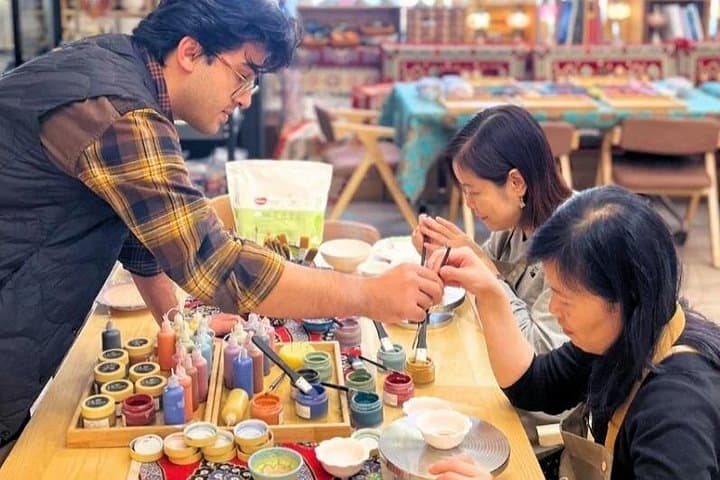
You step into a sunlit studio off a quiet Somerset side street, easels of white bisque lined like blank pages waiting for a story. The room smells faintly of slip and clay; light from north-facing windows makes glazes sing. For 2½ hours you move from palette to pottery — a cup, plate or figurine taking shape under a patient instructor’s guidance.
You step into a sunlit studio off a quiet Somerset side street, easels of white bisque lined like blank pages waiting for a story. The room smells faintly of slip and clay; light from north-facing windows makes glazes sing. For 2½ hours you move from palette to pottery — a cup, plate or figurine taking shape under a patient instructor’s guidance.
The Raritan Valley around Somerset has long mixed agricultural and small-manufacturing traditions, and local craft studios draw on that down-to-earth ethic: making things that last. Geologically, this part of central New Jersey sits on gently rolling glacial tills and river terraces, soils that historically supported local brick and ceramic trades. Culturally, community studios function as social hubs — expect conversation about technique, local art fairs, and seasonal classes.
Practically, the workshop is beginner-focused: instructors demonstrate underglaze application, brush control and firing constraints, and you’ll learn which pieces need to dry before kiln time. Work is fired off-site or at the studio; plan for pickup or shipping timelines. Bring a sketch or color idea, wear clothes you don’t mind spotting, and budget time for glaze selection and drying.
This is an intimate, hands-on experience that balances creativity with craft knowledge. Whether you come to try something new, make a personalized gift, or slow your pace for an afternoon, you’ll leave with a handmade object and a clearer sense of ceramic process — the alchemy of clay, glaze and kiln that turns an idea into something you can hold.