THE ADVENTURE COLLECTIVE® · Independent discovery and booking for outdoor travel

Spend an evening turning clear glass into personalized art at a guided Paint & Sip workshop in San Antonio. Learn brush techniques and bottle-slumping basics, bring your own beverage, and leave with keepsakes or a plan to pick up kiln-finished pieces later.
Spend an evening turning clear glass into personalized art at a guided Paint & Sip workshop in San Antonio. Learn brush techniques and bottle-slumping basics, bring your own beverage, and leave with keepsakes or a plan to pick up kiln-finished pieces later.
You step through a bright red door into a studio where laughter and soft clinks of glass set the tempo. Tables are prepped with palettes, brushes and clear wine glasses waiting like blank pages. Instructors circulate, offering steady guidance while fluorescent light makes colors pop against concrete floors — this is a hands-on evening of paint, technique and conversation.
Verified experiences and guided adventures in the surrounding area.
Operated by The Spinning Wheel ATX · San Antonio, Texas
You step through a bright red door into a studio where laughter and soft clinks of glass set the tempo. Tables are prepped with palettes, brushes and clear wine glasses waiting like blank pages. Instructors circulate, offering steady guidance while fluorescent light makes colors pop against concrete floors — this is a hands-on evening of paint, technique and conversation.
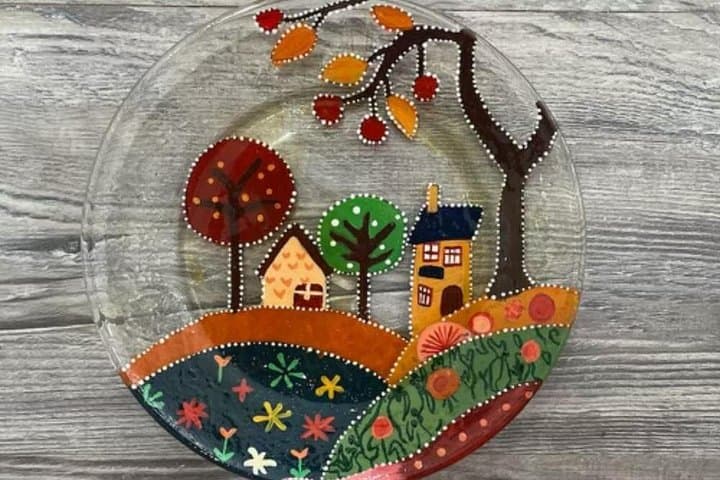
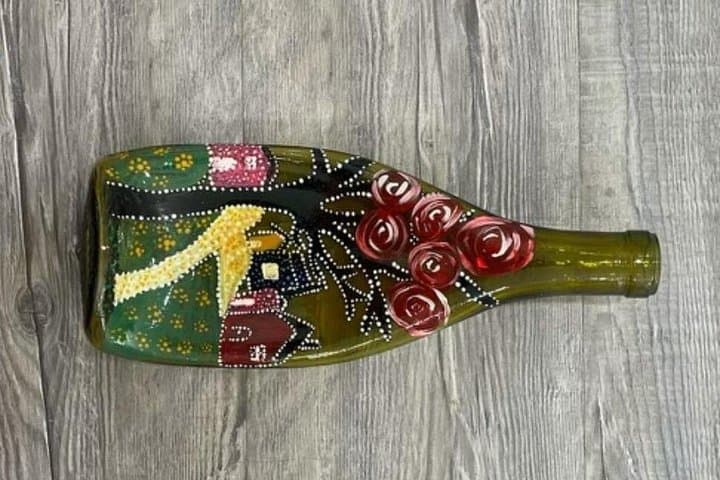
The workshop pairs simple glass-painting techniques with bottle slumping — a low-temperature kiln process that reshapes glass into shallow dishes. Painting on glass traces its practical lineage back to stained-glass and decorative folk craft, but this format has become a social craft in Texas cities where shared studios and community art nights are part of the modern craft movement.
Expect a mix of instruction and creative freedom: step-by-step demos for brushwork and stencil use, time to design a wine glass or transform a recycled bottle, and kiln scheduling so some pieces may be finished for pick-up later. The studio sits in a city with a robust maker scene and nearby galleries, so it’s easy to extend the evening into an art crawl.
Practical guidance: arrive 15 minutes early to settle and pick your preferred glass; bring your beverage and ID if needed. Wear clothes you don’t mind splattering, and plan for roughly 2.5 hours in-studio. All materials are provided and the space is wheelchair accessible, but slumped pieces may require pick-up at a later scheduled time once cooled and finished. If you want a specific design, bring a photo reference; otherwise, arrive ready to experiment.
easy.
2–3 hours.
Minimal physical exertion; suitable for all fitness levels though you’ll be standing or seated for extended periods.
No — instructors provide step-by-step guidance for all skill levels and offer technique tips for brushwork and stenciling.
Some painted items can be taken immediately after air-drying, but slumped or kiln-fired pieces often require additional finishing time and a later pickup.
Policies vary; many studios permit children for specific family sessions but this public workshop may be best for teens and adults — check age guidelines when booking.
Yes — paints, brushes, glassware and kiln access are provided as part of the class fee.
Glass decoration draws on practical and decorative traditions; contemporary paint-and-sip events grew from community art nights and the rise of shared studio spaces in Texas cities.
Studios often use water-based paints and encourage recycling of bottles; ask about waste disposal and whether kiln firing is consolidated to reduce energy use.
The Spinning Wheel ATX operates guided outdoor trips and adventures with an emphasis on safety, stewardship, and memorable experiences.
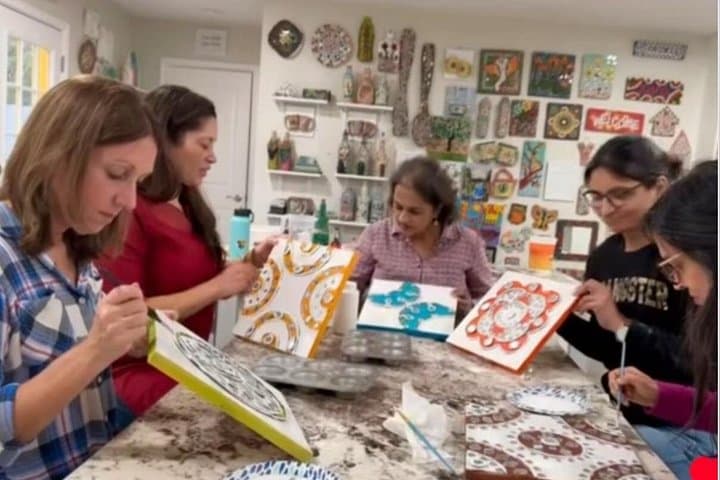
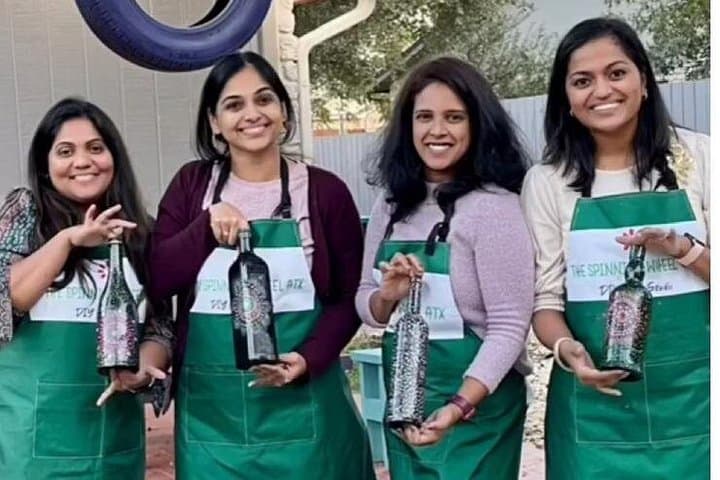
You step through a bright red door into a studio where laughter and soft clinks of glass set the tempo. Tables are prepped with palettes, brushes and clear wine glasses waiting like blank pages. Instructors circulate, offering steady guidance while fluorescent light makes colors pop against concrete floors — this is a hands-on evening of paint, technique and conversation.
You step through a bright red door into a studio where laughter and soft clinks of glass set the tempo. Tables are prepped with palettes, brushes and clear wine glasses waiting like blank pages. Instructors circulate, offering steady guidance while fluorescent light makes colors pop against concrete floors — this is a hands-on evening of paint, technique and conversation.
The workshop pairs simple glass-painting techniques with bottle slumping — a low-temperature kiln process that reshapes glass into shallow dishes. Painting on glass traces its practical lineage back to stained-glass and decorative folk craft, but this format has become a social craft in Texas cities where shared studios and community art nights are part of the modern craft movement.
Expect a mix of instruction and creative freedom: step-by-step demos for brushwork and stencil use, time to design a wine glass or transform a recycled bottle, and kiln scheduling so some pieces may be finished for pick-up later. The studio sits in a city with a robust maker scene and nearby galleries, so it’s easy to extend the evening into an art crawl.
Practical guidance: arrive 15 minutes early to settle and pick your preferred glass; bring your beverage and ID if needed. Wear clothes you don’t mind splattering, and plan for roughly 2.5 hours in-studio. All materials are provided and the space is wheelchair accessible, but slumped pieces may require pick-up at a later scheduled time once cooled and finished. If you want a specific design, bring a photo reference; otherwise, arrive ready to experiment.