THE ADVENTURE COLLECTIVE® · Independent discovery and booking for outdoor travel

Spend an hour painting a traditional Javanese wayang puppet at Tembi Rumah Budaya. This hands-on workshop introduces basic motifs, pigments and finishing techniques — perfect for families and first-time visitors to Yogyakarta.
Spend an hour painting a traditional Javanese wayang puppet at Tembi Rumah Budaya. This hands-on workshop introduces basic motifs, pigments and finishing techniques — perfect for families and first-time visitors to Yogyakarta.
Sunlight sifts through the slatted teak of a low joglo as a thin brush meets parchment; pigments ring bright against the pale leather of a wayang puppet. The workshop at Tembi Rumah Budaya puts that moment within reach — a compact, practical hour where visitors pick colors, trace traditional patterns and learn the gestures that give a puppet its character.
Verified experiences and guided adventures in the surrounding area.
Operated by JogjaTravels & Group · Yogyakarta, Special Region of Yogyakarta
Sunlight sifts through the slatted teak of a low joglo as a thin brush meets parchment; pigments ring bright against the pale leather of a wayang puppet. The workshop at Tembi Rumah Budaya puts that moment within reach — a compact, practical hour where visitors pick colors, trace traditional patterns and learn the gestures that give a puppet its character.
Wayang kulit — Javanese shadow puppetry — has been central to Central Java’s storylines for centuries, mixing Hindu-Buddhist epics and later Islamic and local motifs. Geology shapes the culture here: volcanic ash from Merapi long ago enriched soils that supported the crafts and dyes used in batik and puppet-making. The house itself is a local cultural hub; expect gamelan in the background, rows of finished puppets, and guides who can explain symbolic motifs and regional variations.
The session runs roughly 60 minutes and is suitable for adults and children; materials, bottled water and light snacks are usually included. An instructor demonstrates outlines, color filling and basic finishing, and you take home the painted puppet or canvas. Language is often conversational English or Indonesian, and the experience balances guided steps with room to experiment.
Practical notes: come in clothes you don’t mind spotting with paint, arrive 10–15 minutes early, and book mornings to avoid the afternoon heat. If you want deeper context, combine this with a short visit to Kotagede’s silversmiths or a gamelan demonstration in central Yogyakarta. The workshop is a tidy cultural encounter — hands-on, informative and easy to fit into a day of exploring the city.
easy.
1 hour.
No special fitness required — suitable for most ages and mobility levels
The standard session lasts about 60 minutes, including instruction and finishing time.
Yes — the activity is family-friendly and suitable for most children; supervision is recommended for young kids.
Tembi Rumah Budaya reports accessible routes and stroller access, but check with the operator ahead of time for specific needs.
Yes — participants take home the painted puppet or canvas at the end of the session.
Wayang kulit has been performed in Central Java for centuries as a vehicle for storytelling, moral lessons and communal gatherings; many motifs in puppet painting reference regional folklore and court traditions.
Supporting local cultural centers helps sustain artisanal skills; visitors are encouraged to minimize waste, avoid single-use plastics, and purchase directly from local artists when possible.
JogjaTravels & Group operates guided outdoor trips and adventures with an emphasis on safety, stewardship, and memorable experiences.
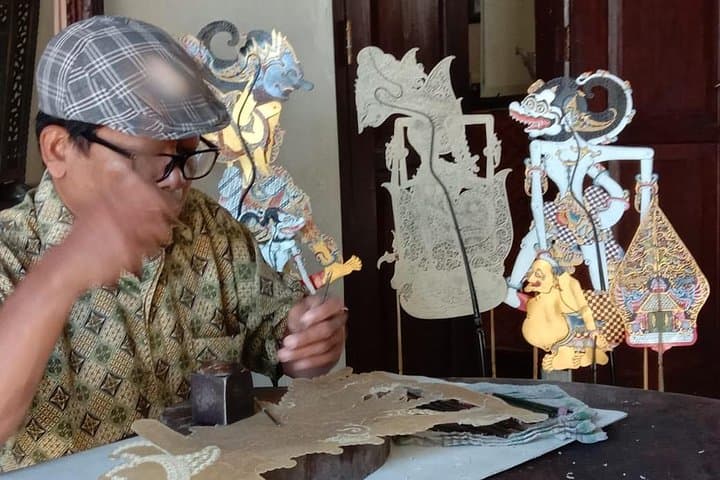
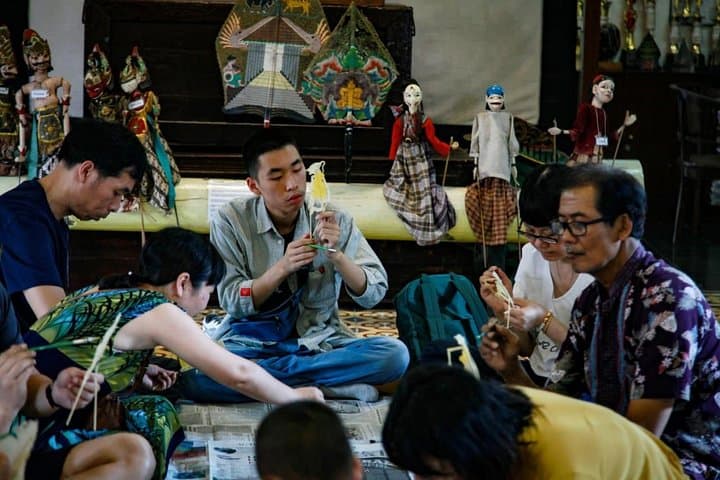
Sunlight sifts through the slatted teak of a low joglo as a thin brush meets parchment; pigments ring bright against the pale leather of a wayang puppet. The workshop at Tembi Rumah Budaya puts that moment within reach — a compact, practical hour where visitors pick colors, trace traditional patterns and learn the gestures that give a puppet its character.
Sunlight sifts through the slatted teak of a low joglo as a thin brush meets parchment; pigments ring bright against the pale leather of a wayang puppet. The workshop at Tembi Rumah Budaya puts that moment within reach — a compact, practical hour where visitors pick colors, trace traditional patterns and learn the gestures that give a puppet its character.
Wayang kulit — Javanese shadow puppetry — has been central to Central Java’s storylines for centuries, mixing Hindu-Buddhist epics and later Islamic and local motifs. Geology shapes the culture here: volcanic ash from Merapi long ago enriched soils that supported the crafts and dyes used in batik and puppet-making. The house itself is a local cultural hub; expect gamelan in the background, rows of finished puppets, and guides who can explain symbolic motifs and regional variations.
The session runs roughly 60 minutes and is suitable for adults and children; materials, bottled water and light snacks are usually included. An instructor demonstrates outlines, color filling and basic finishing, and you take home the painted puppet or canvas. Language is often conversational English or Indonesian, and the experience balances guided steps with room to experiment.
Practical notes: come in clothes you don’t mind spotting with paint, arrive 10–15 minutes early, and book mornings to avoid the afternoon heat. If you want deeper context, combine this with a short visit to Kotagede’s silversmiths or a gamelan demonstration in central Yogyakarta. The workshop is a tidy cultural encounter — hands-on, informative and easy to fit into a day of exploring the city.