THE ADVENTURE COLLECTIVE® · Independent discovery and booking for outdoor travel

A full-day canoe journey from Manila, the Pagsanjan Falls River Adventure threads a steep limestone gorge before arriving at a three-tiered waterfall with a natural plunge pool. Guided by experienced boatmen, this trip blends adrenaline, culture, and practical comfort for a memorable Philippines day trip.
A full-day canoe journey from Manila, the Pagsanjan Falls River Adventure threads a steep limestone gorge before arriving at a three-tiered waterfall with a natural plunge pool. Guided by experienced boatmen, this trip blends adrenaline, culture, and practical comfort for a memorable Philippines day trip.
The river arrives before the falls do. At first it's a quiet, green current threading through rice paddies and coconut palms, then it narrows and begins to speak — the boatmen call it the Pagsanjan run, and it demands attention.
Verified experiences and guided adventures in the surrounding area.
Operated by ForeverVacation · Pagsanjan, Laguna
The river arrives before the falls do. At first it's a quiet, green current threading through rice paddies and coconut palms, then it narrows and begins to speak — the boatmen call it the Pagsanjan run, and it demands attention.
On the road out of Manila the concrete gives way to provincial landscapes: low limestone ridges, roadside chapels, and villages that still set out small altars of fresh fruit. By midmorning you reach the surfing point of the river where a pair of traje de tabla (wooden canoes) are waiting. Your guide introduces you to the boatmen — local experts who steer with a combination of poles, balance, and long experience. They push off, the current pulls, and the canyon tightens.
Geologically, the gorge is carved from Miocene and Pliocene limestone and conglomerates, eroded over millennia by the river’s persistent motion. The falls themselves — historically known as Magdapio Falls but popularly Pagsanjan — drop in a three-tiered cascade into a bathtub-sized plunge pool. There’s a small cave and a movable spray that makes every photograph look different.
This route has been a lure since the Spanish colonial era, when travelers first wrote about the dramatic entrance into the basin. Today the trip is a blend of natural spectacle and living culture: boatmen still sing low chants during tricky rapids, local families sell simple lunches on the riverbank, and the town’s economy pivots on respectful tourism.
Practicalities arrive midstream. Expect about a full day away from the city — roughly 10 hours start to finish when you include hotel pickup, travel time, the river trip, and a riverside lunch. The water ride is thrilling but guided; no whitewater skills are required, though you’ll want the balance that comes from solid footwear. Bring a waterproof bag for your camera; the spray will find you.
Timing matters. Early departures mean fewer boats at the falls and cleaner photos; afternoons bring more light but bigger crowds. If you want the rawest feel, ask your operator about a private canoe run that reverses the usual tourist pattern and takes a quieter upstream route.
Safety is straightforward: life vests are standard, boatmen handle the technical parts, and staff briefings before launch cover the tricky sections. Respect the river by not leaving trash and by following your guide’s directions at every rapid and at the pool.
At day’s end you return the way you came, river easing back into farmland and village. The sound of the falls lingers — not as an ending but as a reminder that a single river can still shape the pace of a day.
moderate.
10 hours (full day).
Moderate fitness recommended — able to get in and out of low boats and stand briefly on unsteady surfaces
No formal swim skills are required; life vests are provided for all guests, though basic swimming ability is useful for confidence near the plunge pool.
The river leg of the trip typically lasts about 60–90 minutes each way, depending on water levels and how many stops you make.
Yes — operators provide infant seats and life vests; review age or weight limits when booking and communicate any special needs in advance.
Expect spray and light soaking near the base; boatmen navigate close to the pool for the full experience, so waterproofing is recommended.
Lunch and bottled water are usually included in full-day tours; meals are simple, local fare served at riverside huts or nearby canteens.
Independent trips are possible by arranging local boatmen in Pagsanjan, but organized tours from Manila handle transport, fees, and guides for a smoother full-day experience.
Pagsanjan Falls has drawn visitors since colonial times and developed into a popular tourism site in the early 20th century; the falls are also called Magdapio Falls by locals.
Rising visitor numbers strain local systems; use refillable bottles, avoid single-use plastics, and follow guides' directions to protect riverbanks and freshwater habitats.
ForeverVacation operates guided outdoor trips and adventures with an emphasis on safety, stewardship, and memorable experiences.

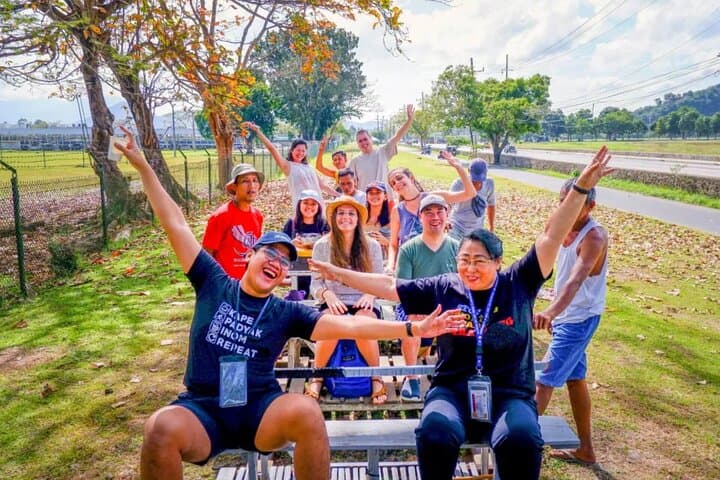


The river arrives before the falls do. At first it's a quiet, green current threading through rice paddies and coconut palms, then it narrows and begins to speak — the boatmen call it the Pagsanjan run, and it demands attention.
The river arrives before the falls do. At first it's a quiet, green current threading through rice paddies and coconut palms, then it narrows and begins to speak — the boatmen call it the Pagsanjan run, and it demands attention.
On the road out of Manila the concrete gives way to provincial landscapes: low limestone ridges, roadside chapels, and villages that still set out small altars of fresh fruit. By midmorning you reach the surfing point of the river where a pair of traje de tabla (wooden canoes) are waiting. Your guide introduces you to the boatmen — local experts who steer with a combination of poles, balance, and long experience. They push off, the current pulls, and the canyon tightens.
Geologically, the gorge is carved from Miocene and Pliocene limestone and conglomerates, eroded over millennia by the river’s persistent motion. The falls themselves — historically known as Magdapio Falls but popularly Pagsanjan — drop in a three-tiered cascade into a bathtub-sized plunge pool. There’s a small cave and a movable spray that makes every photograph look different.
This route has been a lure since the Spanish colonial era, when travelers first wrote about the dramatic entrance into the basin. Today the trip is a blend of natural spectacle and living culture: boatmen still sing low chants during tricky rapids, local families sell simple lunches on the riverbank, and the town’s economy pivots on respectful tourism.
Practicalities arrive midstream. Expect about a full day away from the city — roughly 10 hours start to finish when you include hotel pickup, travel time, the river trip, and a riverside lunch. The water ride is thrilling but guided; no whitewater skills are required, though you’ll want the balance that comes from solid footwear. Bring a waterproof bag for your camera; the spray will find you.
Timing matters. Early departures mean fewer boats at the falls and cleaner photos; afternoons bring more light but bigger crowds. If you want the rawest feel, ask your operator about a private canoe run that reverses the usual tourist pattern and takes a quieter upstream route.
Safety is straightforward: life vests are standard, boatmen handle the technical parts, and staff briefings before launch cover the tricky sections. Respect the river by not leaving trash and by following your guide’s directions at every rapid and at the pool.
At day’s end you return the way you came, river easing back into farmland and village. The sound of the falls lingers — not as an ending but as a reminder that a single river can still shape the pace of a day.