THE ADVENTURE COLLECTIVE® · Independent discovery and booking for outdoor travel

Pair one of Italy’s most intact Greek temple sites with a working buffalo mozzarella farm on this private day trip from Salerno. Expect hands-on food demos, a farm-to-table lunch, and a guided walk through Paestum’s Doric ruins.
Pair one of Italy’s most intact Greek temple sites with a working buffalo mozzarella farm on this private day trip from Salerno. Expect hands-on food demos, a farm-to-table lunch, and a guided walk through Paestum’s Doric ruins.
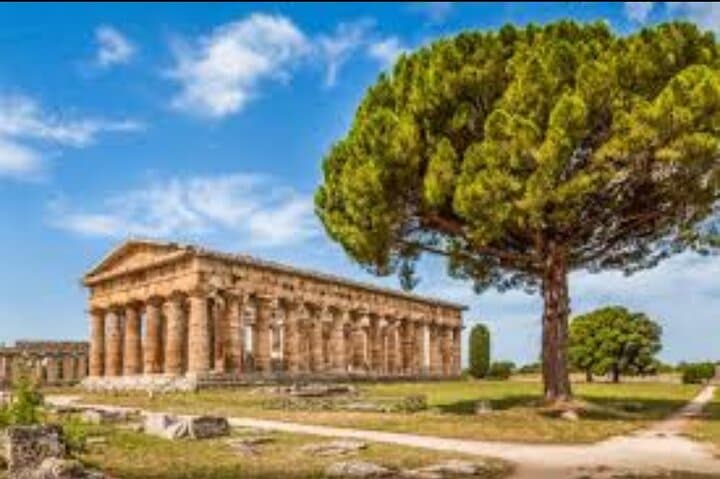
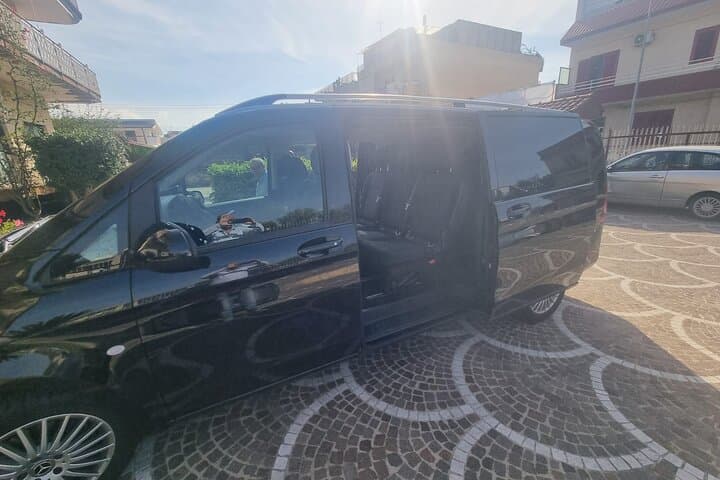
You step out of a quiet minivan onto a gravel lane where cattle low and the salt-tinged air from the Tyrrhenian Sea pushes inland. Olive trees shade a farmyard; beyond them, three hulking Doric temples rise from the plain like carved memory. The guide leads you from milking stalls to museum cases with the same practiced cadence—this is a day that pairs archaeology with agriculture.
Verified experiences and guided adventures in the surrounding area.
Operated by Smooth travel napoli · Capaccio, Campania
You step out of a quiet minivan onto a gravel lane where cattle low and the salt-tinged air from the Tyrrhenian Sea pushes inland. Olive trees shade a farmyard; beyond them, three hulking Doric temples rise from the plain like carved memory. The guide leads you from milking stalls to museum cases with the same practiced cadence—this is a day that pairs archaeology with agriculture.
Paestum was a Greek colony established in the 6th century BCE; its temples are among the best-preserved Doric monuments in the Mediterranean, set on a low, fertile plain shaped by the Sele River and rich limestone deposits. Local culture pivots between food and history: buffalo husbandry here feeds a long mozzarella-making tradition that still relies on hand techniques and short supply chains.
On the farm expect close-up views of water buffalo, a live mozzarella stretch demonstration, and a meal of farm vegetables, fresh mozzarella, and simple desserts. At the archaeological park you’ll walk among temples, tombs and the small on-site museum; surfaces are uneven and parts are open to the elements. The private transfer from Salerno means flexible pickup and air-conditioned comfort, but plan for a full 7–8 hour outing.
Practical: wear sturdy walking shoes, sun protection, and bring a refillable water bottle. Morning or late-afternoon departures reduce heat and crowds. If you want quieter photos, linger by the southern temple as tour buses depart. This tour is an accessible, sensory way to connect ancient stone with contemporary foodcraft.
easy.
7–8 hours.
Suitable for most fitness levels; requires several short walks and standing during tastings and museum stops.
Admissions are typically not included in the tour price; check the booking details or confirm with the operator since ticket policies can vary.
Drive time is roughly 45–60 minutes from central Salerno depending on traffic; total trip duration is about 7–8 hours including travel and visits.
The farm is family-friendly and many areas are accessible, but the archaeological site has uneven paths and some limited accessibility—ask about wheelchair options when booking.
Most farms sell fresh mozzarella to visitors; availability depends on production that day, and it’s best consumed within 24 hours or kept refrigerated for travel.
Paestum began as a Greek colony (Poseidonia) in the 6th century BCE and later became a Roman town; the Doric temples date from the Archaic to Classical periods and reflect long-standing agricultural wealth.
Local producers increasingly use short supply chains and seasonal grazing to reduce transport and support buffalo welfare; visitors are encouraged to follow marked paths and avoid feeding animals.
Smooth travel napoli operates guided outdoor trips and adventures with an emphasis on safety, stewardship, and memorable experiences.
You step out of a quiet minivan onto a gravel lane where cattle low and the salt-tinged air from the Tyrrhenian Sea pushes inland. Olive trees shade a farmyard; beyond them, three hulking Doric temples rise from the plain like carved memory. The guide leads you from milking stalls to museum cases with the same practiced cadence—this is a day that pairs archaeology with agriculture.
You step out of a quiet minivan onto a gravel lane where cattle low and the salt-tinged air from the Tyrrhenian Sea pushes inland. Olive trees shade a farmyard; beyond them, three hulking Doric temples rise from the plain like carved memory. The guide leads you from milking stalls to museum cases with the same practiced cadence—this is a day that pairs archaeology with agriculture.
Paestum was a Greek colony established in the 6th century BCE; its temples are among the best-preserved Doric monuments in the Mediterranean, set on a low, fertile plain shaped by the Sele River and rich limestone deposits. Local culture pivots between food and history: buffalo husbandry here feeds a long mozzarella-making tradition that still relies on hand techniques and short supply chains.
On the farm expect close-up views of water buffalo, a live mozzarella stretch demonstration, and a meal of farm vegetables, fresh mozzarella, and simple desserts. At the archaeological park you’ll walk among temples, tombs and the small on-site museum; surfaces are uneven and parts are open to the elements. The private transfer from Salerno means flexible pickup and air-conditioned comfort, but plan for a full 7–8 hour outing.
Practical: wear sturdy walking shoes, sun protection, and bring a refillable water bottle. Morning or late-afternoon departures reduce heat and crowds. If you want quieter photos, linger by the southern temple as tour buses depart. This tour is an accessible, sensory way to connect ancient stone with contemporary foodcraft.