THE ADVENTURE COLLECTIVE® · Independent discovery and booking for outdoor travel

Trade Madrid’s bustle for rolling vineyards, prehistoric caves, and a private estate where paella and historic springs anchor a half-day cultural hike. Explore Civil War tunnels, taste local wine, and end beside a river with a restorative lunch.
Trade Madrid’s bustle for rolling vineyards, prehistoric caves, and a private estate where paella and historic springs anchor a half-day cultural hike. Explore Civil War tunnels, taste local wine, and end beside a river with a restorative lunch.
A lane drops away from the A-3 and, within half an hour, the city’s edge gives way to low folded hills of olive trees and sun-bleached vineyards. The estate’s river forks into a narrow cascade that seems to dare visitors to slow down: the falls murmur, the wells glint, and the vanished spa buildings sit like a quiet, useful memory.
Verified experiences and guided adventures in the surrounding area.
Operated by Finca de Chavarri · Carabaña, Community of Madrid
A lane drops away from the A-3 and, within half an hour, the city’s edge gives way to low folded hills of olive trees and sun-bleached vineyards. The estate’s river forks into a narrow cascade that seems to dare visitors to slow down: the falls murmur, the wells glint, and the vanished spa buildings sit like a quiet, useful memory.
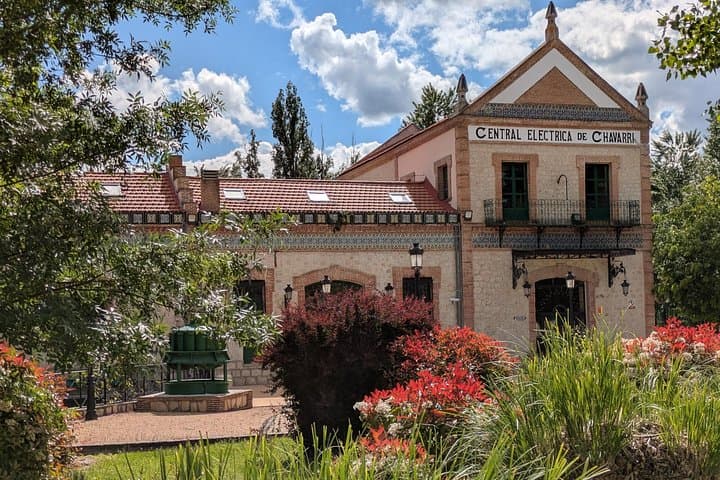
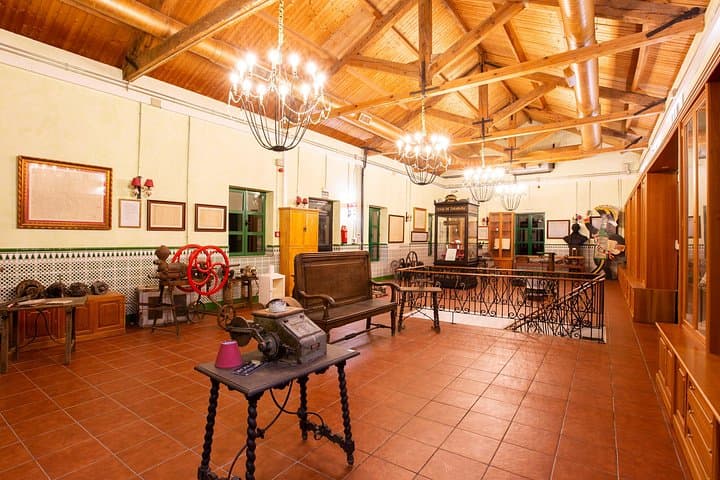
This tour traces local history — from prehistoric caves carved into soft sandstone (locally nicknamed Madrid’s “Cappadocia”) to the hydroelectric plant and private museum that tell the story of Carabaña’s bottled “miracle” water and the entrepreneur who made it famous. Geologically the valley is composed of sedimentary terraces and alluvial soils that favor olives and grapes; culturally the area reflects centuries of smallhold farming and the scars of the Spanish Civil War visible in tunnels and old trenches.
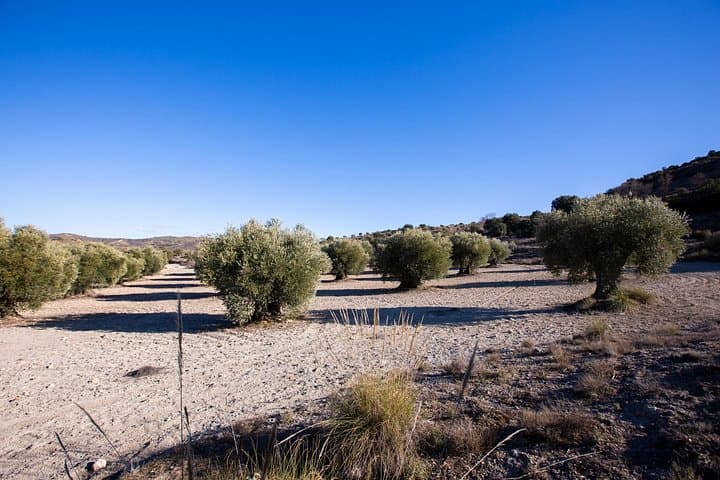
Visitors walk a light one-hour loop through vineyards and olive groves to an abandoned thermal-resort enclave, explore caves used historically for shelter and strategy, and visit restored communal laundry rooms that illustrate rural life before mechanization. The day ends by a riverbank with a full seafood or vegan paella, local wine, and a chat with a farmer — a practical immersion in production and taste.
Practical guidance: expect easy footing with some uneven dirt and rock, bring sun protection and comfortable shoes, and allow 5–6 hours round trip from Madrid. The estate provides transport, lunch, and a handmade soap souvenir — an easy, culturally rich half-day that balances gentle hiking with history and food.
easy.
5–6 hours.
Suitable for most fitness levels; expect a one-hour light hike with short uneven sections and standing during the museum and tastings.
The walking loop on the estate is about one hour over gentle terrain with some uneven sections; the total tour lasts 5–6 hours including transport and tastings.
Yes — the estate offers an authentic seafood or vegan paella option and will provide juice for minors; wine is served only to those 18 and over.
Yes, private transportation from Madrid is included in the tour package and the drive takes roughly 35–45 minutes depending on traffic.
The tour is rated easy and suitable for most people, but it is not recommended for those with serious cardiovascular issues due to some brief walking and stairs in historic sites.
The estate region supplied Madrid with produce for centuries; the bottled Carabaña mineral water became internationally known in the late 19th–early 20th century, and Civil War activity left tunnels and defensive positions here.
Local producers emphasize low-intensity agriculture—olive and grape cultivation on terraces—and the estate practices small-scale organic methods and water-source protection to reduce impact.
Finca de Chavarri operates guided outdoor trips and adventures with an emphasis on safety, stewardship, and memorable experiences.
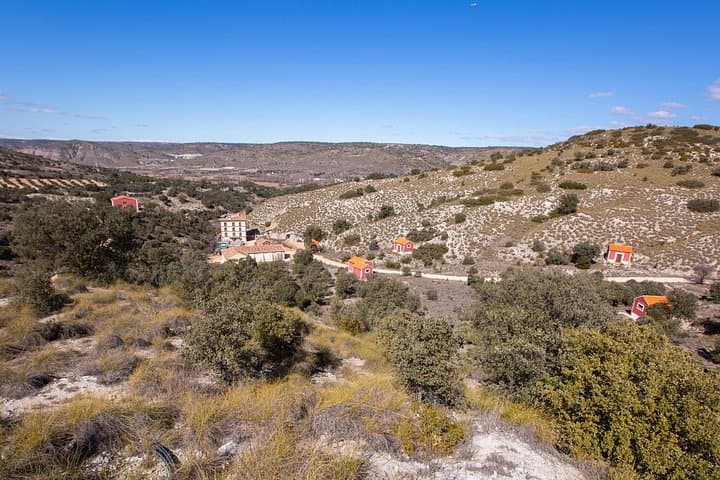
A lane drops away from the A-3 and, within half an hour, the city’s edge gives way to low folded hills of olive trees and sun-bleached vineyards. The estate’s river forks into a narrow cascade that seems to dare visitors to slow down: the falls murmur, the wells glint, and the vanished spa buildings sit like a quiet, useful memory.
A lane drops away from the A-3 and, within half an hour, the city’s edge gives way to low folded hills of olive trees and sun-bleached vineyards. The estate’s river forks into a narrow cascade that seems to dare visitors to slow down: the falls murmur, the wells glint, and the vanished spa buildings sit like a quiet, useful memory.
This tour traces local history — from prehistoric caves carved into soft sandstone (locally nicknamed Madrid’s “Cappadocia”) to the hydroelectric plant and private museum that tell the story of Carabaña’s bottled “miracle” water and the entrepreneur who made it famous. Geologically the valley is composed of sedimentary terraces and alluvial soils that favor olives and grapes; culturally the area reflects centuries of smallhold farming and the scars of the Spanish Civil War visible in tunnels and old trenches.
Visitors walk a light one-hour loop through vineyards and olive groves to an abandoned thermal-resort enclave, explore caves used historically for shelter and strategy, and visit restored communal laundry rooms that illustrate rural life before mechanization. The day ends by a riverbank with a full seafood or vegan paella, local wine, and a chat with a farmer — a practical immersion in production and taste.
Practical guidance: expect easy footing with some uneven dirt and rock, bring sun protection and comfortable shoes, and allow 5–6 hours round trip from Madrid. The estate provides transport, lunch, and a handmade soap souvenir — an easy, culturally rich half-day that balances gentle hiking with history and food.