THE ADVENTURE COLLECTIVE® · Independent discovery and booking for outdoor travel

Explore Padua’s major squares and secret corners on a focused 2.5‑hour small‑group walking tour. Local guides reveal architectural details, legends, and lesser‑known spots like a secret garden and an astrological masterpiece.
Explore Padua’s major squares and secret corners on a focused 2.5‑hour small‑group walking tour. Local guides reveal architectural details, legends, and lesser‑known spots like a secret garden and an astrological masterpiece.
You step off the piazza into a city where stone and story keep talking: the Bacchiglione threads quietly nearby, porticoes lean in to shelter market chatter, and a basilica bell punctuates the air.
Verified experiences and guided adventures in the surrounding area.
Operated by Beescover | Best Ecolocal Experience · Padua, Veneto
You step off the piazza into a city where stone and story keep talking: the Bacchiglione threads quietly nearby, porticoes lean in to shelter market chatter, and a basilica bell punctuates the air.
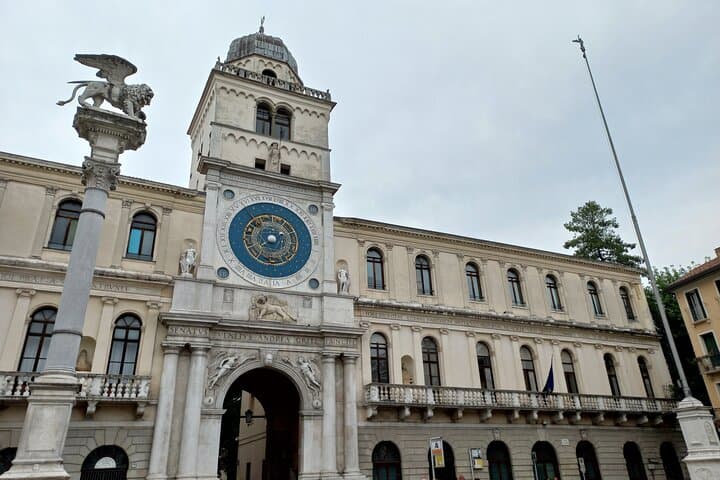
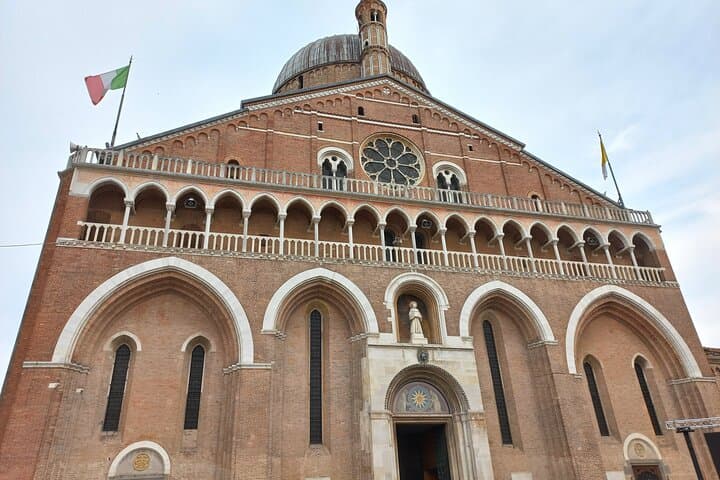
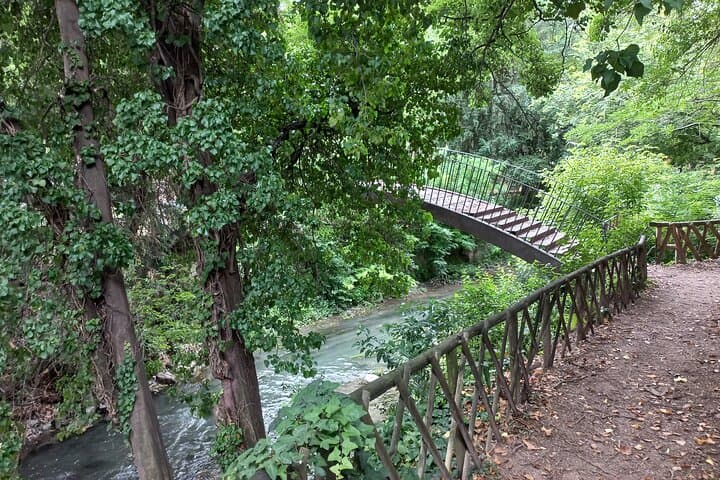
This 2.5‑hour small‑group walking tour threads the major plazas and the overlooked corners that give Padua its character. Guides point out the astrological ceiling panels and curious emblems inside civic halls, the “Café without doors” that became a civic meeting place, and a secret garden tucked behind phaseworn palaces. Padua’s history — from the University founded in 1222 to the Renaissance expansions and the layers of religious devotion around Saint Anthony’s Basilica — is readable in stones, gates, and street names.
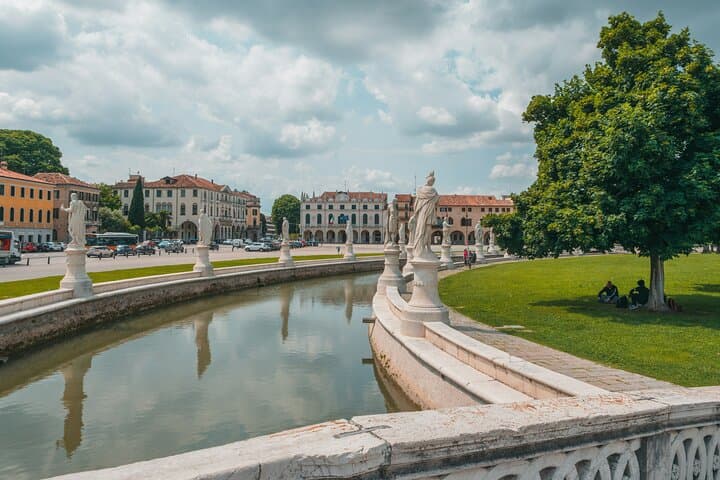
Geology here is gentle: a low Venetian plain where clay soils carried trade routes and allowed broad public squares like Prato della Valle to form; architecture ranges from medieval brick to Palladian façades that catch the light differently as you move.
Culturally the city rewards close observation: symbols carved into cornices, market stalls that change with seasons, and local anecdotes about statues and “demons” etched on lintels. The walking pace lets you hear those stories and see details most visitors miss.
Practical notes: wear comfortable walking shoes, carry water and a light layer, and plan morning or late‑afternoon starts to avoid peak markets and heat. Public transport serves the historic center, strollers are manageable, and groups are capped small for conversation. Expect gentle, mostly flat city streets with occasional cobbles — ideal for travelers who want a concise, human‑scale introduction to Padua’s public life and hidden corners.
easy.
2–3 hours.
Suitable for most fitness levels; primarily flat walking with intermittent standing during explanations
The tour runs about 2.5 hours and is limited to small groups (up to 15) to keep the experience conversational.
Yes—routes are mostly flat and stroller‑accessible, though cobbles can be bumpy in places; infants can ride in prams.
This walking tour focuses on exterior sites and stories; any museum or chapel entry fees are typically not included and are noted by the guide if optional visits are suggested.
Guides usually operate in English (and often Italian); check booking details for availability of other languages or private tour options.
Padua hosts one of Europe’s oldest universities (1222) and the Orto Botanico, founded in the 16th century—both shaped the city’s academic and botanical heritage.
Padua’s historic center prioritizes pedestrian zones and heritage protection; visitors are asked to respect signage, avoid touching artworks, and carry out litter to protect fragile sites.
Beescover | Best Ecolocal Experience operates guided outdoor trips and adventures with an emphasis on safety, stewardship, and memorable experiences.
You step off the piazza into a city where stone and story keep talking: the Bacchiglione threads quietly nearby, porticoes lean in to shelter market chatter, and a basilica bell punctuates the air.
You step off the piazza into a city where stone and story keep talking: the Bacchiglione threads quietly nearby, porticoes lean in to shelter market chatter, and a basilica bell punctuates the air.
This 2.5‑hour small‑group walking tour threads the major plazas and the overlooked corners that give Padua its character. Guides point out the astrological ceiling panels and curious emblems inside civic halls, the “Café without doors” that became a civic meeting place, and a secret garden tucked behind phaseworn palaces. Padua’s history — from the University founded in 1222 to the Renaissance expansions and the layers of religious devotion around Saint Anthony’s Basilica — is readable in stones, gates, and street names.
Geology here is gentle: a low Venetian plain where clay soils carried trade routes and allowed broad public squares like Prato della Valle to form; architecture ranges from medieval brick to Palladian façades that catch the light differently as you move.
Culturally the city rewards close observation: symbols carved into cornices, market stalls that change with seasons, and local anecdotes about statues and “demons” etched on lintels. The walking pace lets you hear those stories and see details most visitors miss.
Practical notes: wear comfortable walking shoes, carry water and a light layer, and plan morning or late‑afternoon starts to avoid peak markets and heat. Public transport serves the historic center, strollers are manageable, and groups are capped small for conversation. Expect gentle, mostly flat city streets with occasional cobbles — ideal for travelers who want a concise, human‑scale introduction to Padua’s public life and hidden corners.