THE ADVENTURE COLLECTIVE® · Independent discovery and booking for outdoor travel

Practice search patterns and field documentation on an archaeological dive course in Syracuse. Combine classroom methods with two supervised dives among submerged ancient remains and earn a PADI certification upon completion.
Practice search patterns and field documentation on an archaeological dive course in Syracuse. Combine classroom methods with two supervised dives among submerged ancient remains and earn a PADI certification upon completion.
Standing at the water’s edge in Syracuse, the Ionian laps at broken columns and clay amphorae that the sea refused to forget. The course opens in a small classroom with maps spread across a table, then moves into shallow blue where students learn search patterns, measuring, and sketching before two supervised dives among submerged ruins. The water—at once cool and insistent—offers tactile lessons: currents that nudge you into a search line, sand that reveals and hides stories.
Verified experiences and guided adventures in the surrounding area.
Operated by Dive Sicily · Syracuse, Sicily
Standing at the water’s edge in Syracuse, the Ionian laps at broken columns and clay amphorae that the sea refused to forget. The course opens in a small classroom with maps spread across a table, then moves into shallow blue where students learn search patterns, measuring, and sketching before two supervised dives among submerged ruins. The water—at once cool and insistent—offers tactile lessons: currents that nudge you into a search line, sand that reveals and hides stories.
Syracuse’s coastline is a layered archive. Greek and Roman ports, medieval shipwrecks and more recent trade debris lie across limestone shelves carved by Pleistocene sea levels. Local culture still orients around its marine past: museums catalogue finds, fishermen point to spots where amphorae surface after storms, and the Plemmirio marine reserve protects many of the dive sites used for training.
Practical guidance matters: expect classroom work, fieldnotes and a debrief to learn documentation standards used in research dives. Two open-water dives consolidate technique; full equipment rental and an underwater archaeology manual are provided. The program issues a PADI card on completion, and photographers capture your underwater work.
Prepare with basic swimming confidence and a calm, observant mindset; visibility can vary and currents require attention. Wear a suitably thick wetsuit in spring or late fall, bring a notebook for sketches, and allow time after dives for the shore-based debrief. This is a hands-on course—academic rigor framed by the sea—ideal for travelers who want to touch history directly while building practical diving and archaeological skills.
moderate.
5 hours.
Suitable for people with basic swimming ability and general fitness; not strenuous but requires comfort in open water.
No prior certification is typically required; the course includes supervised open-water dives and issues a PADI card upon completion.
Full equipment rental, a digital underwater archaeology manual, museum entrance fee, underwater photos/video, and hotel pick-up/drop-off are included.
Yes—suitable for those with basic swimming ability; instructors teach search techniques and documentation in shallow, controlled conditions.
This course is not recommended for pregnant people or those with significant cardiovascular problems; disclose health issues during booking.
Syracuse’s waters cover layers of Greek, Roman and medieval maritime activity; submerged quays and amphorae reflect centuries of commerce and conflict.
Many training sites lie near marine protected areas—operators emphasize no-touch policies and documentation over artifact recovery to preserve sites.
Dive Sicily operates guided outdoor trips and adventures with an emphasis on safety, stewardship, and memorable experiences.
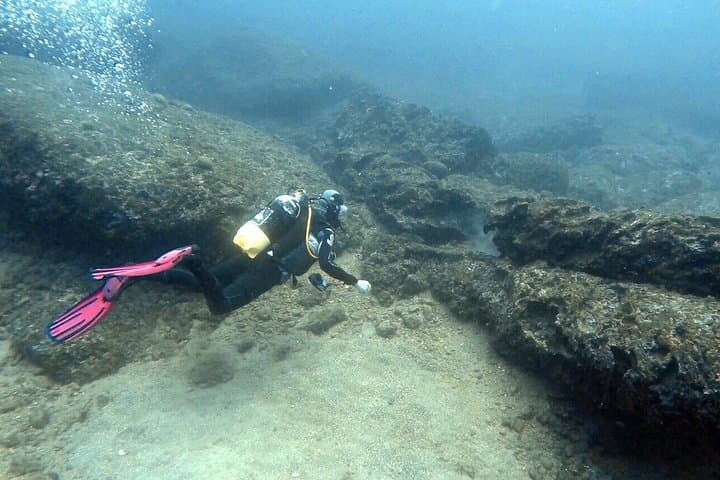
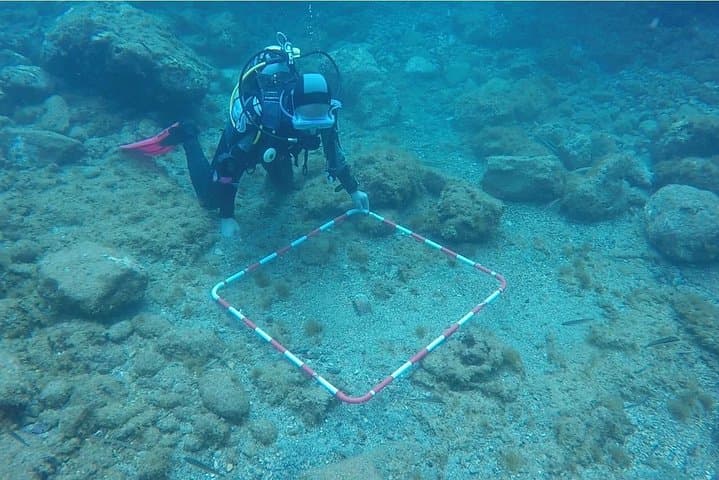
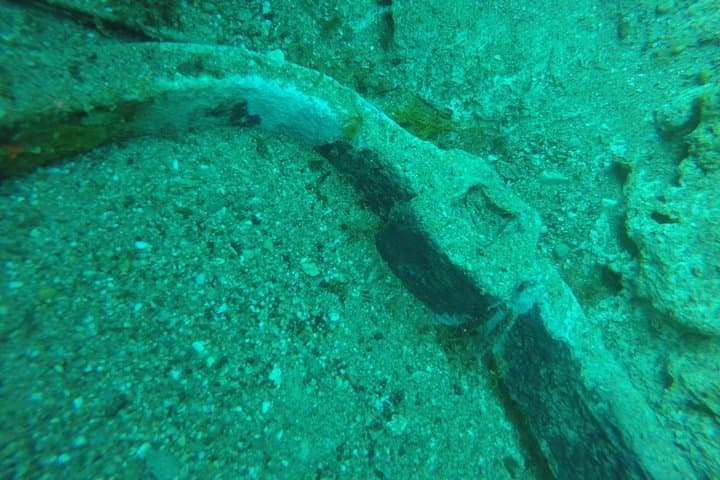
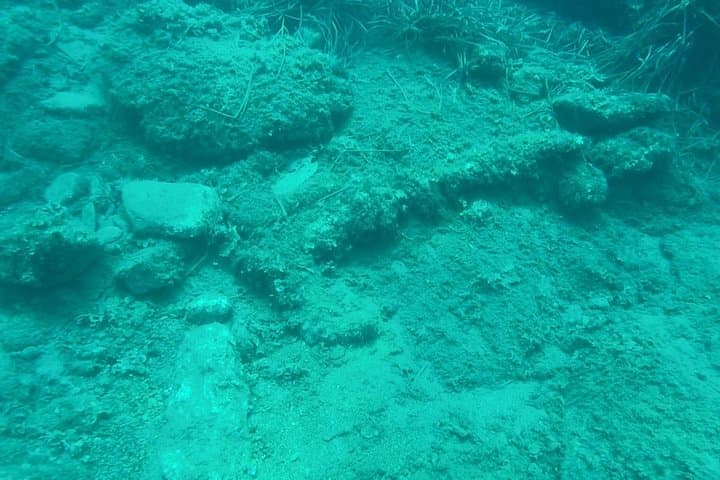
Standing at the water’s edge in Syracuse, the Ionian laps at broken columns and clay amphorae that the sea refused to forget. The course opens in a small classroom with maps spread across a table, then moves into shallow blue where students learn search patterns, measuring, and sketching before two supervised dives among submerged ruins. The water—at once cool and insistent—offers tactile lessons: currents that nudge you into a search line, sand that reveals and hides stories.
Standing at the water’s edge in Syracuse, the Ionian laps at broken columns and clay amphorae that the sea refused to forget. The course opens in a small classroom with maps spread across a table, then moves into shallow blue where students learn search patterns, measuring, and sketching before two supervised dives among submerged ruins. The water—at once cool and insistent—offers tactile lessons: currents that nudge you into a search line, sand that reveals and hides stories.
Syracuse’s coastline is a layered archive. Greek and Roman ports, medieval shipwrecks and more recent trade debris lie across limestone shelves carved by Pleistocene sea levels. Local culture still orients around its marine past: museums catalogue finds, fishermen point to spots where amphorae surface after storms, and the Plemmirio marine reserve protects many of the dive sites used for training.
Practical guidance matters: expect classroom work, fieldnotes and a debrief to learn documentation standards used in research dives. Two open-water dives consolidate technique; full equipment rental and an underwater archaeology manual are provided. The program issues a PADI card on completion, and photographers capture your underwater work.
Prepare with basic swimming confidence and a calm, observant mindset; visibility can vary and currents require attention. Wear a suitably thick wetsuit in spring or late fall, bring a notebook for sketches, and allow time after dives for the shore-based debrief. This is a hands-on course—academic rigor framed by the sea—ideal for travelers who want to touch history directly while building practical diving and archaeological skills.