THE ADVENTURE COLLECTIVE® · Independent discovery and booking for outdoor travel

Become a certified diver in St. Thomas with guided, instructor-led instruction that combines eLearning, pool skills, and open-water boat dives. Finish your training and start exploring reefs and coastal wrecks with confidence.
Become a certified diver in St. Thomas with guided, instructor-led instruction that combines eLearning, pool skills, and open-water boat dives. Finish your training and start exploring reefs and coastal wrecks with confidence.
Salt spray and engine hum fade as you step off a small dive boat into warm Caribbean air; the water ahead is a deep, shifting green that invites you to breathe differently. On a certification day in St. Thomas an instructor’s calm voice guides you through checklist and skill drills, and the reef waits below—curious patches of coral and the hushed shapes of fish that inspect new divers like strangers at a marketplace.
Verified experiences and guided adventures in the surrounding area.
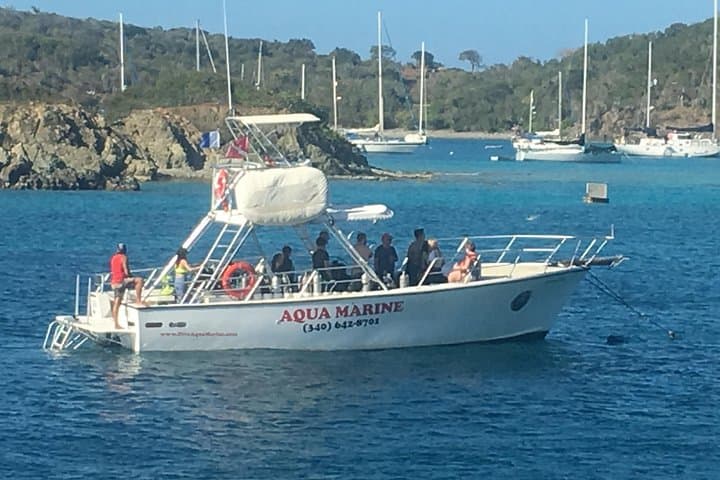
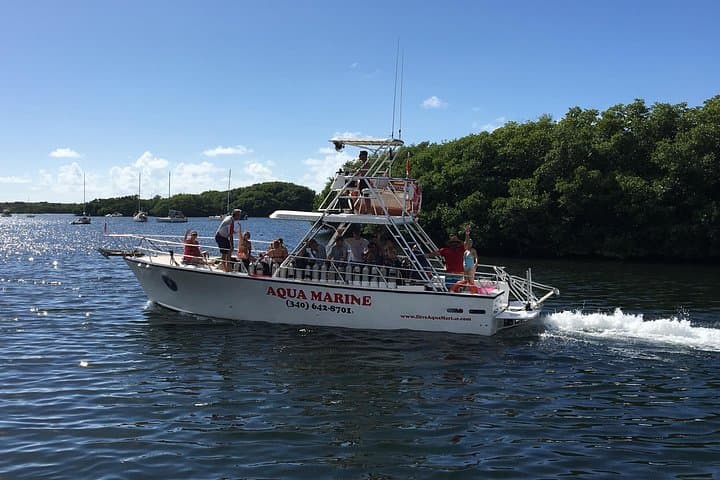
Operated by Aqua Marine Dive Center · Charlotte Amalie, U.S. Virgin Islands
Salt spray and engine hum fade as you step off a small dive boat into warm Caribbean air; the water ahead is a deep, shifting green that invites you to breathe differently. On a certification day in St. Thomas an instructor’s calm voice guides you through checklist and skill drills, and the reef waits below—curious patches of coral and the hushed shapes of fish that inspect new divers like strangers at a marketplace.
The U.S. Virgin Islands sit on older volcanic foundations capped by limestone and coral growth; reefs here have grown along sheltered bays and drop-offs created by geological tilting and reef accretion. Charlotte Amalie’s colonial harbors and Danish-era ruins speak to an island culture built around maritime trade, and local dive sites often double as small history lessons—wrecks and anchorages telling stories of centuries of sea traffic.
This course blends eLearning (expect 6–12 hours before your first in-water session), confined-water practice and at least three training dives on boat days. Instructors focus on safety skills—buoyancy control, mask clearing, regulator recovery—then move you offshore to reef and wreck environments where currents test technique and marine life rewards patience.
Practical guidance: finish your eLearning before arrival, bring a reef-safe sunscreen and a snug mask, and allow 18+ hours between last dive and air travel. You’ll need to be a competent swimmer and complete a medical questionnaire; equipment is typically provided, but a personal mask and fins improve comfort. Expect warm water diving that asks for attention more than heavy layers—hydrate well, get enough rest, and listen to your instructor. Successful certification opens access to the reefs and wrecks that make St. Thomas some of the Caribbean’s most accessible open-water learning grounds.
moderate.
2–3 days.
Moderate fitness required; must be a comfortable swimmer and able to perform basic swimming tasks in open water.
Yes—eLearning (about 6–12 hours) must be completed before your first in‑water session so you can demonstrate knowledge and focus on practical skills.
Basic dive gear is usually provided for training days, but many students bring a personal mask and sometimes fins for fit and comfort.
Minimum age is typically 10 years; children must be accompanied by an adult and meet swim competency requirements.
Plan to wait at least 18 hours after your last dive before flying to reduce risk of decompression sickness.
St. Thomas served as a busy colonial port (notably Charlotte Amalie) and many dive sites reflect maritime traffic and localized wreck history.
Local operators emphasize reef‑safe practices and many sites are within protected areas; avoid touching coral and follow instructor guidance to minimize impact.
Aqua Marine Dive Center operates guided outdoor trips and adventures with an emphasis on safety, stewardship, and memorable experiences.
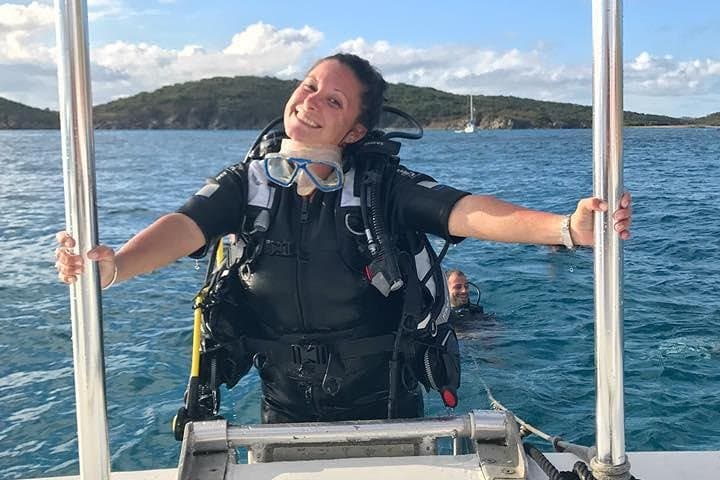
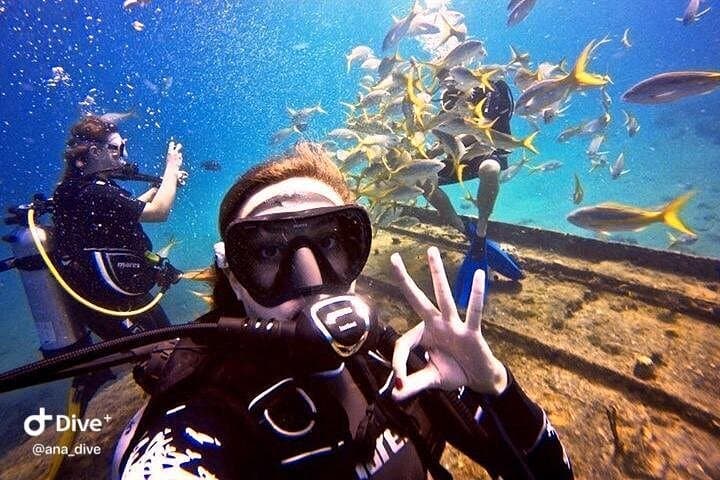
Salt spray and engine hum fade as you step off a small dive boat into warm Caribbean air; the water ahead is a deep, shifting green that invites you to breathe differently. On a certification day in St. Thomas an instructor’s calm voice guides you through checklist and skill drills, and the reef waits below—curious patches of coral and the hushed shapes of fish that inspect new divers like strangers at a marketplace.
Salt spray and engine hum fade as you step off a small dive boat into warm Caribbean air; the water ahead is a deep, shifting green that invites you to breathe differently. On a certification day in St. Thomas an instructor’s calm voice guides you through checklist and skill drills, and the reef waits below—curious patches of coral and the hushed shapes of fish that inspect new divers like strangers at a marketplace.
The U.S. Virgin Islands sit on older volcanic foundations capped by limestone and coral growth; reefs here have grown along sheltered bays and drop-offs created by geological tilting and reef accretion. Charlotte Amalie’s colonial harbors and Danish-era ruins speak to an island culture built around maritime trade, and local dive sites often double as small history lessons—wrecks and anchorages telling stories of centuries of sea traffic.
This course blends eLearning (expect 6–12 hours before your first in-water session), confined-water practice and at least three training dives on boat days. Instructors focus on safety skills—buoyancy control, mask clearing, regulator recovery—then move you offshore to reef and wreck environments where currents test technique and marine life rewards patience.
Practical guidance: finish your eLearning before arrival, bring a reef-safe sunscreen and a snug mask, and allow 18+ hours between last dive and air travel. You’ll need to be a competent swimmer and complete a medical questionnaire; equipment is typically provided, but a personal mask and fins improve comfort. Expect warm water diving that asks for attention more than heavy layers—hydrate well, get enough rest, and listen to your instructor. Successful certification opens access to the reefs and wrecks that make St. Thomas some of the Caribbean’s most accessible open-water learning grounds.