THE ADVENTURE COLLECTIVE® · Independent discovery and booking for outdoor travel

Sharpen emergency response and underwater problem-solving in Trincomalee with the PADI Rescue Diver course. This focused 3–5 day program pairs classroom learning with repeated in-water scenarios to build competence and confidence in real dive emergencies.
Sharpen emergency response and underwater problem-solving in Trincomalee with the PADI Rescue Diver course. This focused 3–5 day program pairs classroom learning with repeated in-water scenarios to build competence and confidence in real dive emergencies.
Salt air tangles in hair and the Indian Ocean pulls at fins as trainees slip beneath a blue dome where waves whisper against coral. On the shore near Trincomalee, a group runs through rescue scenarios—dragging an unconscious diver, towing a panicked swimmer—each drill sharpened until reactions are fast and instinctive.
Verified experiences and guided adventures in the surrounding area.
Operated by Divinguru Sri Lanka · Trincomalee, Eastern Province
Salt air tangles in hair and the Indian Ocean pulls at fins as trainees slip beneath a blue dome where waves whisper against coral. On the shore near Trincomalee, a group runs through rescue scenarios—dragging an unconscious diver, towing a panicked swimmer—each drill sharpened until reactions are fast and instinctive.
Trincomalee's harbor has been fought over for centuries, its deep bay shaped by tectonic forces and coral growth. The reefs off Nilaveli and Pigeon Island host hard corals and bommies that rise from sandy plains; currents here can shift, offering both sheltered practice sites and open-water challenges. The local fishing villages and Tamil-Portuguese-British history give the area a pragmatic culture of seafaring and hospitality.
The PADI Rescue Diver course translates that context into skills: problem recognition, self-rescue, in-water stabilisation, tows, and organized search patterns. Expect classroom modules, pool or confined-water drills, and full in-water rescue scenarios over 3–5 days. The course requires Advanced Open Water and recent Emergency First Response certification; the PADI administration fee (about €70) is extra.
Practical guidance: arrive rested, hydrated, and comfortable in a wetsuit suitable for tropical water; bring your dive log and certification cards. Trainers will push stamina and situational awareness—swimming fitness and calm under pressure matter more than raw strength. Plan surface intervals, follow reef-protection practices, and budget time for post-course dives to consolidate skills. In Trincomalee the sea always tests you—currents nudge, coral watches, and good training turns hazards into manageable problems.
challenging.
3–5 days.
Moderate to good cardiovascular fitness and comfortable, confident swimming ability; stamina for repeated in-water scenarios is important.
Expect 3–5 days depending on prior experience, fitness, and how quickly you complete theory and practical exercises.
Yes — you must be Advanced Open Water certified and hold a current Emergency First Response (or be prepared to take EFR with the center).
No, the PADI fee for the manual and certification (about €70) is paid separately to PADI or the dive center.
Minimum certification age is 12 years, but participants should be mature and physically capable of strenuous rescue scenarios.
Trincomalee’s deep natural harbor and colonial past make it a long-standing maritime hub; local fishing communities keep traditional boat skills alive.
Pigeon Island is a protected marine park with active reef-restoration efforts; divers are expected to follow no-touch and reef-safe sunscreen practices to reduce impact.
Divinguru Sri Lanka operates guided outdoor trips and adventures with an emphasis on safety, stewardship, and memorable experiences.
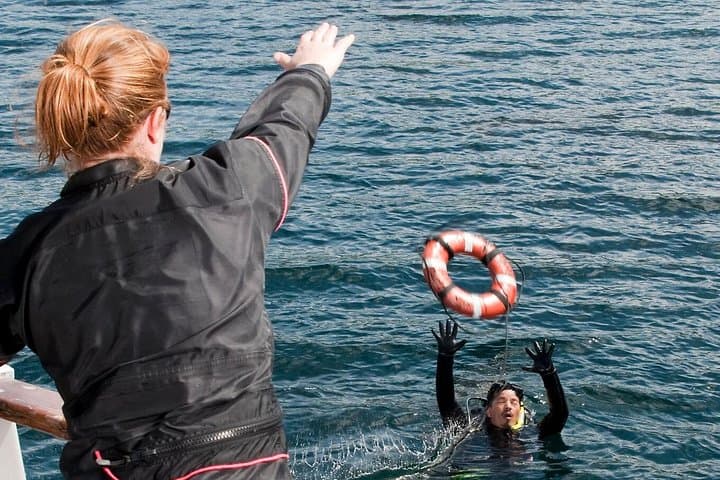
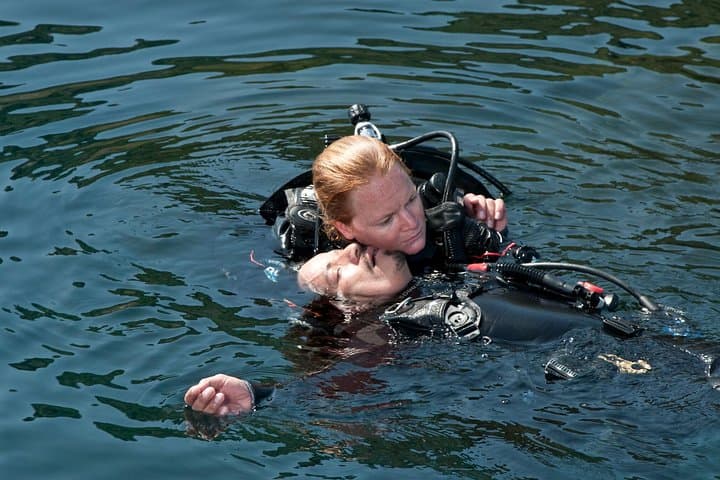
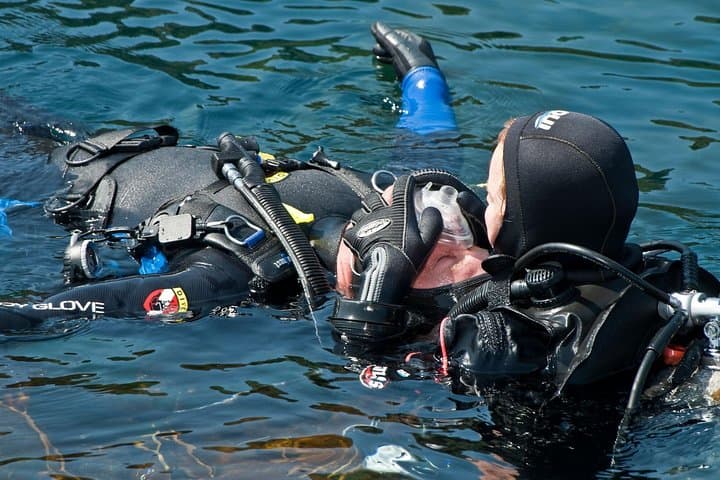
Salt air tangles in hair and the Indian Ocean pulls at fins as trainees slip beneath a blue dome where waves whisper against coral. On the shore near Trincomalee, a group runs through rescue scenarios—dragging an unconscious diver, towing a panicked swimmer—each drill sharpened until reactions are fast and instinctive.
Salt air tangles in hair and the Indian Ocean pulls at fins as trainees slip beneath a blue dome where waves whisper against coral. On the shore near Trincomalee, a group runs through rescue scenarios—dragging an unconscious diver, towing a panicked swimmer—each drill sharpened until reactions are fast and instinctive.
Trincomalee's harbor has been fought over for centuries, its deep bay shaped by tectonic forces and coral growth. The reefs off Nilaveli and Pigeon Island host hard corals and bommies that rise from sandy plains; currents here can shift, offering both sheltered practice sites and open-water challenges. The local fishing villages and Tamil-Portuguese-British history give the area a pragmatic culture of seafaring and hospitality.
The PADI Rescue Diver course translates that context into skills: problem recognition, self-rescue, in-water stabilisation, tows, and organized search patterns. Expect classroom modules, pool or confined-water drills, and full in-water rescue scenarios over 3–5 days. The course requires Advanced Open Water and recent Emergency First Response certification; the PADI administration fee (about €70) is extra.
Practical guidance: arrive rested, hydrated, and comfortable in a wetsuit suitable for tropical water; bring your dive log and certification cards. Trainers will push stamina and situational awareness—swimming fitness and calm under pressure matter more than raw strength. Plan surface intervals, follow reef-protection practices, and budget time for post-course dives to consolidate skills. In Trincomalee the sea always tests you—currents nudge, coral watches, and good training turns hazards into manageable problems.