THE ADVENTURE COLLECTIVE® · Independent discovery and booking for outdoor travel

Learn to dive in the warm Caribbean waters off Playa del Carmen with a three-day PADI Open Water Diver course. Expect pool skills, classroom theory and four open-water dives that certify you to 18 m (60 ft).
Learn to dive in the warm Caribbean waters off Playa del Carmen with a three-day PADI Open Water Diver course. Expect pool skills, classroom theory and four open-water dives that certify you to 18 m (60 ft).
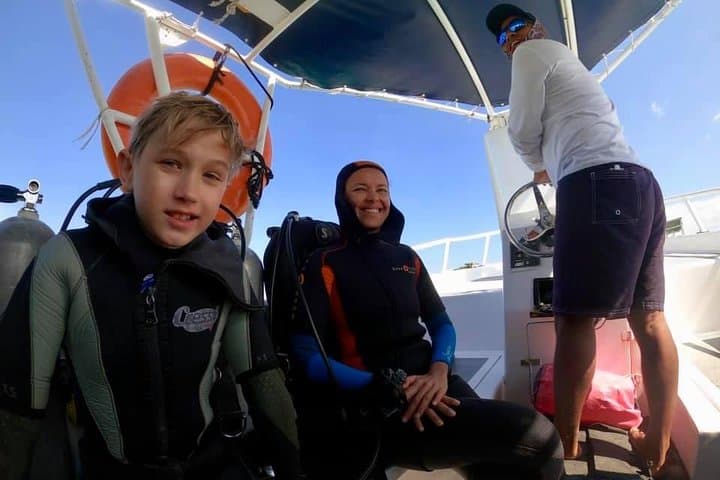
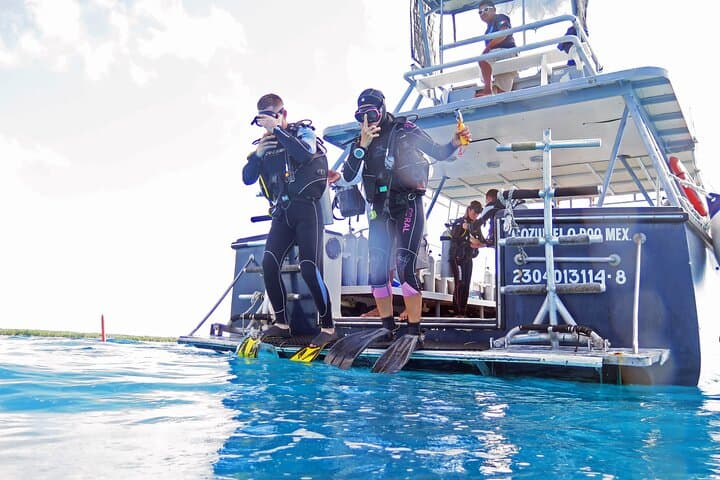
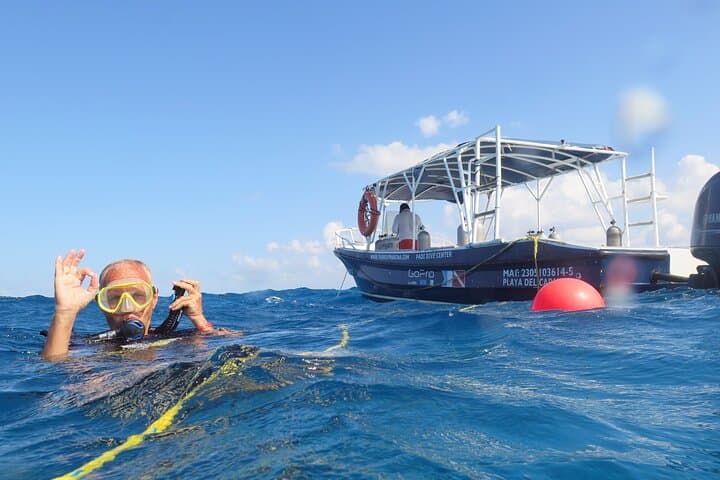
The morning sun hits the Caribbean and the water answers with glassy clarity as students unload gear on a small pier in Playa del Carmen. Instruction begins in a calm pool where regulators, buoyancy control and emergency drills are practiced until they feel automatic; by day two the group moves offshore or to a nearby cenote for supervised open-water dives that test skills in real conditions.
Verified experiences and guided adventures in the surrounding area.
Operated by Dive Guru · Playa del Carmen, Quintana Roo
The morning sun hits the Caribbean and the water answers with glassy clarity as students unload gear on a small pier in Playa del Carmen. Instruction begins in a calm pool where regulators, buoyancy control and emergency drills are practiced until they feel automatic; by day two the group moves offshore or to a nearby cenote for supervised open-water dives that test skills in real conditions.
The Riviera Maya sits on porous limestone carved by water for millennia — a landscape of cenotes and one of the western hemisphere’s richest coral reef systems. Diving here pairs modern sport-diver techniques with a long local history of Mayan coastal communities and contemporary conservation efforts protecting coral and turtle nesting sites.
Practical training spans three days: five confined-water sessions, classroom theory, knowledge reviews and four open-water dives. Certification limits divers to 18 m (60 ft) with a buddy or professional guide, and the curriculum emphasizes safe ascent practices and environmental stewardship.
Plan for warm, humid weather, short boat rides, and varied visibility depending on site and season. Bring basic swim fitness, a medical clearance if you have conditions, and a conservative attitude toward depth and no-decompression limits. Instructors provide gear but a well-fitting mask and fins speed progress.
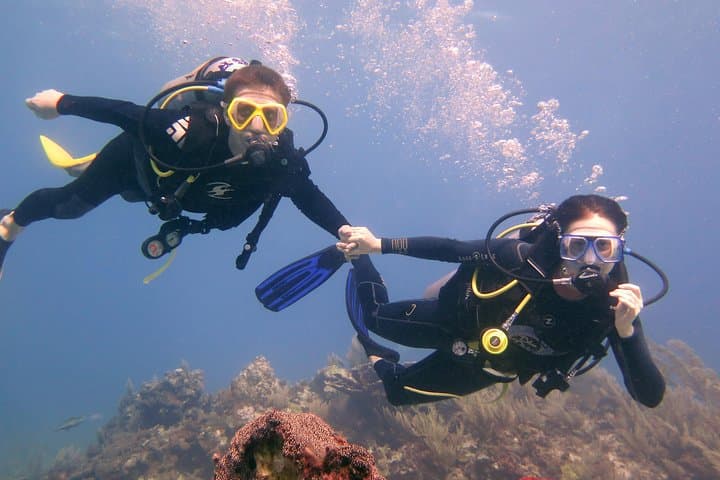
This course opens a practical gateway: a lifetime credential, new skills for travel, and the ability to experience reef walls, tropical fish life and freshwater caverns — all while learning to move deliberately and respectfully through an underwater world that rewards calm, control and curiosity.
moderate.
3 days (approx. 8 hours/day).
Moderate swimming ability and comfort in water; light-moderate cardiovascular fitness recommended
PADI Open Water Diver certification permits dives to a maximum of 18 m (60 ft) when accompanied by a buddy or guide.
Minimum age is typically 10 for Junior Open Water, but medical clearance is required for certain conditions; pregnant people and those with specific cardiovascular or respiratory issues should not dive.
No formal certification is required, but basic swimming and snorkeling comfort are strongly recommended for efficient training.
Most training agencies advise waiting at least 18–24 hours after your final dive before flying; follow instructor guidance.
The Riviera Maya’s coastline sits atop limestone karst with cenotes that were culturally significant to the Maya and now offer unique freshwater-to-saltwater dive experiences.
Local operators follow no-touch policies, buoyancy-first training and encourage reef-safe products to minimize coral damage and turtle disturbance.
Dive Guru operates guided outdoor trips and adventures with an emphasis on safety, stewardship, and memorable experiences.
The morning sun hits the Caribbean and the water answers with glassy clarity as students unload gear on a small pier in Playa del Carmen. Instruction begins in a calm pool where regulators, buoyancy control and emergency drills are practiced until they feel automatic; by day two the group moves offshore or to a nearby cenote for supervised open-water dives that test skills in real conditions.
The morning sun hits the Caribbean and the water answers with glassy clarity as students unload gear on a small pier in Playa del Carmen. Instruction begins in a calm pool where regulators, buoyancy control and emergency drills are practiced until they feel automatic; by day two the group moves offshore or to a nearby cenote for supervised open-water dives that test skills in real conditions.
The Riviera Maya sits on porous limestone carved by water for millennia — a landscape of cenotes and one of the western hemisphere’s richest coral reef systems. Diving here pairs modern sport-diver techniques with a long local history of Mayan coastal communities and contemporary conservation efforts protecting coral and turtle nesting sites.
Practical training spans three days: five confined-water sessions, classroom theory, knowledge reviews and four open-water dives. Certification limits divers to 18 m (60 ft) with a buddy or professional guide, and the curriculum emphasizes safe ascent practices and environmental stewardship.
Plan for warm, humid weather, short boat rides, and varied visibility depending on site and season. Bring basic swim fitness, a medical clearance if you have conditions, and a conservative attitude toward depth and no-decompression limits. Instructors provide gear but a well-fitting mask and fins speed progress.
This course opens a practical gateway: a lifetime credential, new skills for travel, and the ability to experience reef walls, tropical fish life and freshwater caverns — all while learning to move deliberately and respectfully through an underwater world that rewards calm, control and curiosity.