THE ADVENTURE COLLECTIVE® · Independent discovery and booking for outdoor travel

Three days transforms a nervous surface swimmer into a confident diver. This PADI Open Water course on Koh Chang combines pool skills with open-water dives on vibrant reefs around Koh Rang National Park.
Three days transforms a nervous surface swimmer into a confident diver. This PADI Open Water course on Koh Chang combines pool skills with open-water dives on vibrant reefs around Koh Rang National Park.
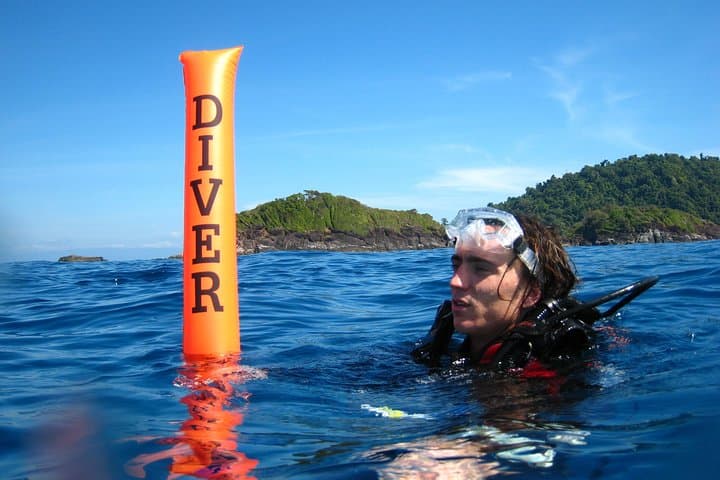
The boat slips off the pier and the horizon opens: warm Andaman-blue water, a steady engine, instructors calling hand signals across the deck. Over three compact days you move from classroom to pool to reef, each stage tightening your confidence like a well-trimmed weight belt. By the final dive the coral gardens of Koh Chang and Koh Rang National Park start to feel like familiar rooms.
Verified experiences and guided adventures in the surrounding area.
Operated by bbdivers · Ko Chang, Trat Province
The boat slips off the pier and the horizon opens: warm Andaman-blue water, a steady engine, instructors calling hand signals across the deck. Over three compact days you move from classroom to pool to reef, each stage tightening your confidence like a well-trimmed weight belt. By the final dive the coral gardens of Koh Chang and Koh Rang National Park start to feel like familiar rooms.
Geology here is simple and blunt — eroded granite and limestone islands rising from shallow seas that have nurtured hard and soft corals for centuries. Local fishing villages have long read the tides; today tourism and marine protection shape how the reefs are used and cared for. Many dive sites are within protected park boundaries, where regulations aim to balance visits with recovery.
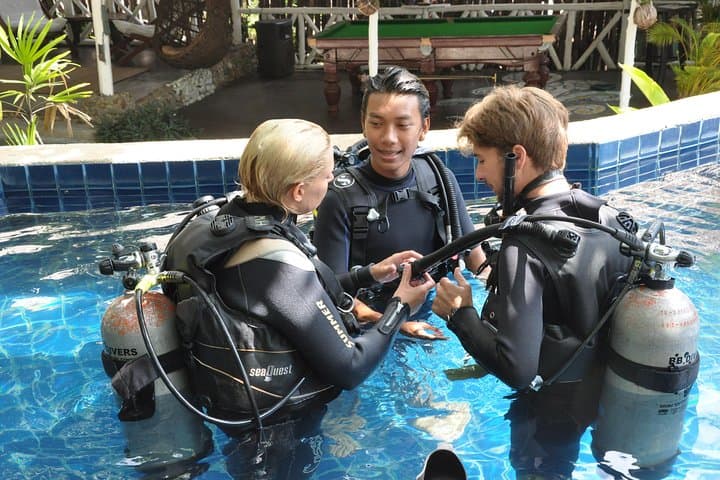
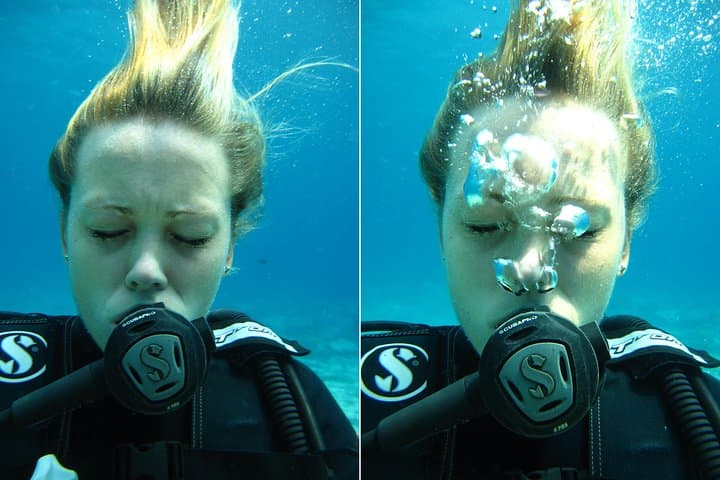
Practical guidance: expect three full days — a classroom/theory session and confined-water skills on day one, followed by four open-water training dives over days two and three. Maximum certification depth is 18 m. Water temperatures run warm year-round (typically 27–30°C); a 3mm suit or shorty is usually fine. Small-group instruction and included equipment lower the learning curve, but bring your own mask if possible.
Safety notes: complete the health questionnaire honestly and avoid flying within 18 hours of your last dive. Sunscreen should be reef-safe; practice neutral buoyancy to protect coral. Plan transfers—most operators include west-coast Koh Chang pickup—or base yourself in White Sand Beach for easy morning departures.
moderate.
3 days.
Basic swimming ability and reasonable mobility are required; you should be comfortable treading water and climbing boat ladders.
No prior certification is required; you should be a confident swimmer and complete theory, confined-water skills, and open-water dives as part of the course.
Yes — standard scuba equipment is included, but bringing a personal mask and snorkel is recommended for fit and comfort.
Upon certification you can dive independently to a maximum depth of 18 meters (60 feet) worldwide.
You must complete a health questionnaire; certain conditions (e.g., serious cardiovascular or respiratory issues) require physician approval and some may prevent participation.
Mu Ko Chang National Park was established in the early 1980s, and the islands’ fishing communities have shaped local marine use and conservation practices.
Operators encourage reef-safe sunscreens, no-touch diving, and buoyancy control to minimize reef damage; park fees support local protection and monitoring.
bbdivers operates guided outdoor trips and adventures with an emphasis on safety, stewardship, and memorable experiences.

The boat slips off the pier and the horizon opens: warm Andaman-blue water, a steady engine, instructors calling hand signals across the deck. Over three compact days you move from classroom to pool to reef, each stage tightening your confidence like a well-trimmed weight belt. By the final dive the coral gardens of Koh Chang and Koh Rang National Park start to feel like familiar rooms.
The boat slips off the pier and the horizon opens: warm Andaman-blue water, a steady engine, instructors calling hand signals across the deck. Over three compact days you move from classroom to pool to reef, each stage tightening your confidence like a well-trimmed weight belt. By the final dive the coral gardens of Koh Chang and Koh Rang National Park start to feel like familiar rooms.
Geology here is simple and blunt — eroded granite and limestone islands rising from shallow seas that have nurtured hard and soft corals for centuries. Local fishing villages have long read the tides; today tourism and marine protection shape how the reefs are used and cared for. Many dive sites are within protected park boundaries, where regulations aim to balance visits with recovery.
Practical guidance: expect three full days — a classroom/theory session and confined-water skills on day one, followed by four open-water training dives over days two and three. Maximum certification depth is 18 m. Water temperatures run warm year-round (typically 27–30°C); a 3mm suit or shorty is usually fine. Small-group instruction and included equipment lower the learning curve, but bring your own mask if possible.
Safety notes: complete the health questionnaire honestly and avoid flying within 18 hours of your last dive. Sunscreen should be reef-safe; practice neutral buoyancy to protect coral. Plan transfers—most operators include west-coast Koh Chang pickup—or base yourself in White Sand Beach for easy morning departures.