THE ADVENTURE COLLECTIVE® · Independent discovery and booking for outdoor travel

Learn to breathe underwater and earn a PADI Open Water certification over three days in Playa del Carmen. The course combines classroom theory, confined-water sessions and four open-water dives with underwater video and equipment included.
Learn to breathe underwater and earn a PADI Open Water certification over three days in Playa del Carmen. The course combines classroom theory, confined-water sessions and four open-water dives with underwater video and equipment included.
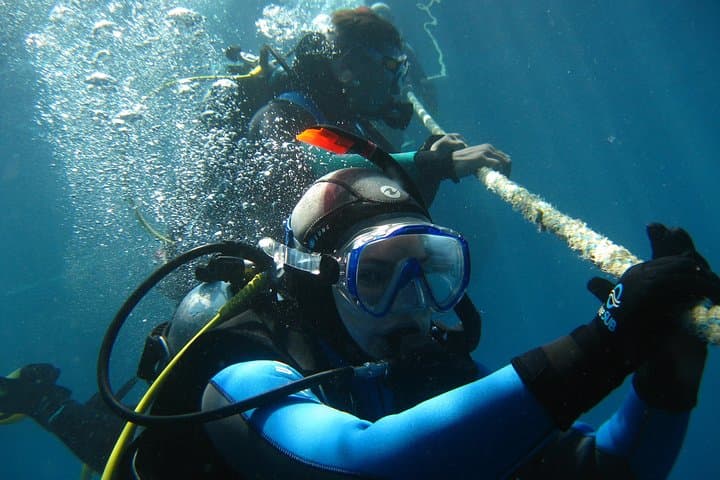
Light from the Caribbean sun slices through warm water as a beginner’s bubble trail rises toward the surface — that first breath underwater is what this three-day PADI Open Water course is built around. Held from Playa del Carmen, the course stages classroom and confined-water skill sessions before progressing to four open-water dives in nearby reefs or cenotes, each one a lesson in buoyancy, equalization and situational awareness.
Verified experiences and guided adventures in the surrounding area.
Operated by Diversland Mexico · Playa del Carmen, Quintana Roo
Light from the Caribbean sun slices through warm water as a beginner’s bubble trail rises toward the surface — that first breath underwater is what this three-day PADI Open Water course is built around. Held from Playa del Carmen, the course stages classroom and confined-water skill sessions before progressing to four open-water dives in nearby reefs or cenotes, each one a lesson in buoyancy, equalization and situational awareness.
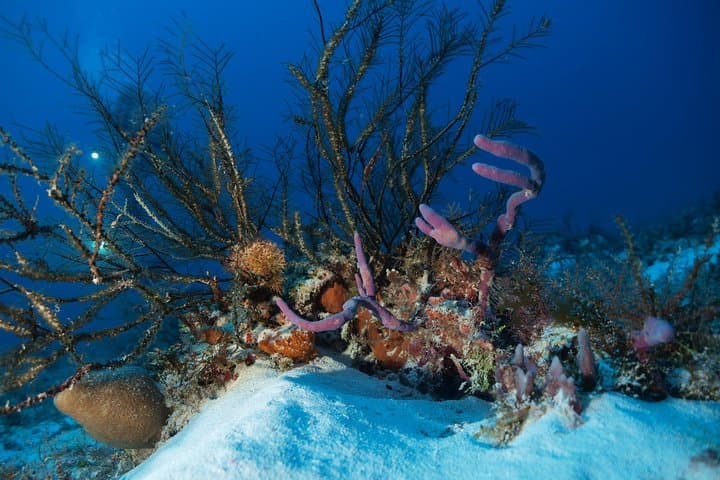
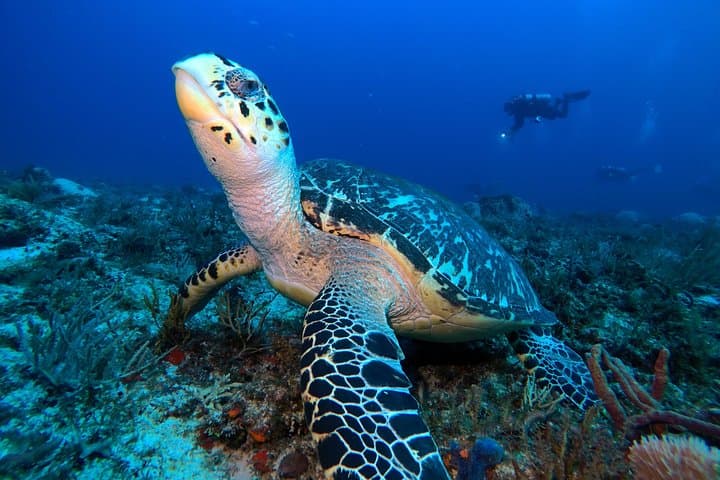
The region sits beside the Mesoamerican Barrier Reef, the world’s second-largest coral system, and inland the Yucatán’s karst geology has produced cavernous cenotes that reveal freshwater caverns and unique microecosystems. The course pairs contemporary PADI theory with hands-on practice; students learn dive planning, basic physiology and emergency procedures, then demonstrate skills in a pool/confined water and during open-water dives to a maximum training depth of 18 meters.
Local instructors often weave natural history into training, pointing out reef structure, coral growth patterns and how currents shape dive sites. Cultural context matters too: cenotes were important in Mayan ritual and are now protected resources.
Practical guidance: arrive hydrated, rested and with a completed health questionnaire; avoid flying within 24 hours of your last dive. Equipment is provided, but a well-fitting personal mask and reef-safe sunscreen speed comfort and reduce stress underwater. Expect hotel pickup, a digital manual sent in advance, onboard bottled water and an underwater video of your dives.
This course is aimed at novices who can swim comfortably and want a globally recognized credential and a responsible introduction to marine environments.
moderate.
3 days (approx. 72 hours).
Comfortable swimming ability and basic cardiovascular fitness; suitable for most active beginners
Minimum age is 10 years; younger divers will be restricted to the junior certification limits until they reach adulthood.
No prior scuba experience is required, but participants should be comfortable in the water and able to swim.
The course includes digital manual, pool/confined sessions, four open‑water dives, equipment, underwater video, bottled water and hotel pickup/drop‑off.
Participants complete a health questionnaire; certain conditions (e.g., recent surgery, heart or respiratory issues, pregnancy) may disqualify you—consult a doctor if unsure.
The Yucatán’s cenotes formed where limestone collapsed and filled with freshwater; nearby reefs are part of the Mesoamerican Barrier Reef, a key marine corridor for coastal communities.
Divers are encouraged to practice buoyancy control and avoid contact with reefs; use reef‑safe sunscreen and local operators who follow no‑touch and anchor‑free policies.
Diversland Mexico operates guided outdoor trips and adventures with an emphasis on safety, stewardship, and memorable experiences.
Light from the Caribbean sun slices through warm water as a beginner’s bubble trail rises toward the surface — that first breath underwater is what this three-day PADI Open Water course is built around. Held from Playa del Carmen, the course stages classroom and confined-water skill sessions before progressing to four open-water dives in nearby reefs or cenotes, each one a lesson in buoyancy, equalization and situational awareness.
Light from the Caribbean sun slices through warm water as a beginner’s bubble trail rises toward the surface — that first breath underwater is what this three-day PADI Open Water course is built around. Held from Playa del Carmen, the course stages classroom and confined-water skill sessions before progressing to four open-water dives in nearby reefs or cenotes, each one a lesson in buoyancy, equalization and situational awareness.
The region sits beside the Mesoamerican Barrier Reef, the world’s second-largest coral system, and inland the Yucatán’s karst geology has produced cavernous cenotes that reveal freshwater caverns and unique microecosystems. The course pairs contemporary PADI theory with hands-on practice; students learn dive planning, basic physiology and emergency procedures, then demonstrate skills in a pool/confined water and during open-water dives to a maximum training depth of 18 meters.
Local instructors often weave natural history into training, pointing out reef structure, coral growth patterns and how currents shape dive sites. Cultural context matters too: cenotes were important in Mayan ritual and are now protected resources.
Practical guidance: arrive hydrated, rested and with a completed health questionnaire; avoid flying within 24 hours of your last dive. Equipment is provided, but a well-fitting personal mask and reef-safe sunscreen speed comfort and reduce stress underwater. Expect hotel pickup, a digital manual sent in advance, onboard bottled water and an underwater video of your dives.
This course is aimed at novices who can swim comfortably and want a globally recognized credential and a responsible introduction to marine environments.