THE ADVENTURE COLLECTIVE® · Independent discovery and booking for outdoor travel

Learn to scuba dive on the Red Sea at Berenice Beach Club in Aqaba. This PADI Open Water course combines classroom sessions, pool drills, and four open-water training dives with experienced instructors.
Learn to scuba dive on the Red Sea at Berenice Beach Club in Aqaba. This PADI Open Water course combines classroom sessions, pool drills, and four open-water training dives with experienced instructors.
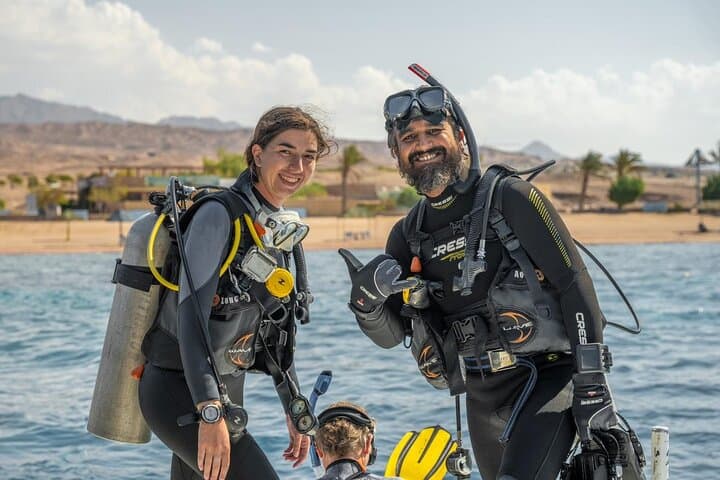
The morning sun slides across the Red Sea and the shallow reef ahead seems to breathe—currents nudging warm water over coral ledges as instructors check gear. At Berenice Beach Club, the training pool gives way to sheltered bays where the first open-water breaths happen: slow, deliberate, surprising.
Verified experiences and guided adventures in the surrounding area.
Operated by Sindbad · Aqaba, Aqaba Governorate
The morning sun slides across the Red Sea and the shallow reef ahead seems to breathe—currents nudging warm water over coral ledges as instructors check gear. At Berenice Beach Club, the training pool gives way to sheltered bays where the first open-water breaths happen: slow, deliberate, surprising.
Aqaba’s shoreline has been a trading gateway for millennia, its reefs shaped by tectonic rifts of the Gulf of Aqaba and a long coastline of volcanic and limestone beds. Modern dive culture here blends Bedouin hospitality with international PADI standards; instructors often point out local fishing history and the reef’s recovery after conservation efforts began in the 1990s.
Expect classroom sessions covering safety and theory, confined-water drills in a purpose-built pool, then four open-water dives under instructor supervision. Depths during training reach down to 18 meters; conditions are generally calm with visibility commonly 10–30 meters depending on weather and season. Coral bommies, reef fish, and occasional rays or turtles are the reward for careful buoyancy work.
Practical guidance: arrive hydrated and rested, practice equalizing before descent, and bring a snug mask and reef-safe sunscreen. The operator provides tanks, regulators, and wetsuits; you should be able to swim and be comfortable in the water. Certification permits diving to 18 m worldwide and typically takes 3 days (up to 72 hours) depending on scheduling and student progress. After your final dive, towel off, sip tea on a sun lounger, and watch the horizon—Aqaba’s sea doesn’t rush you, it teaches you to move with it.
moderate.
3 days (up to 72 hours).
Moderate fitness and basic swimming ability; comfortable in open water for 20–40 minutes per dive.
Most students complete the course in 3 days (up to 72 hours) combining knowledge sessions, confined-water training and four open-water dives; schedule may vary by group and conditions.
Minimum age is typically 10 for Junior Open Water; for adults, a moderate level of fitness is required and certain medical conditions (cardiac, respiratory, pregnancy) require physician clearance.
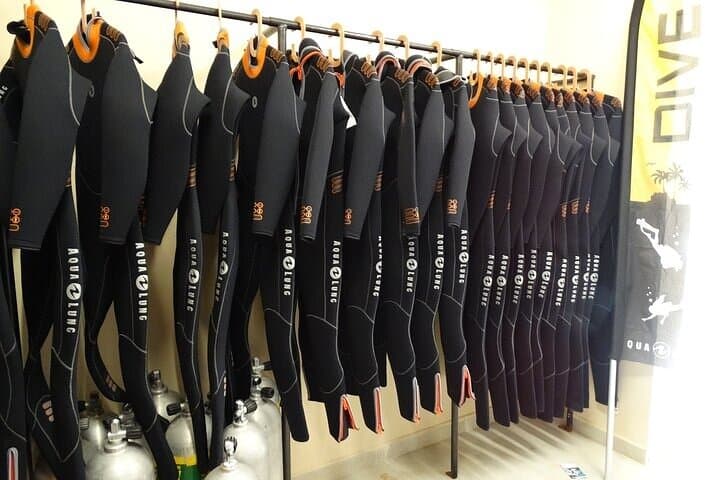
Basic scuba equipment (tanks, regulators, BCDs, weights, wetsuits) is included; students often bring or rent their own mask and snorkel for comfort.
Training dives are designed to stay within 18 meters; visibility in Aqaba commonly ranges from 10–30 meters, though it varies with weather and currents.
Aqaba’s coast has been a maritime crossroads since antiquity; the Gulf of Aqaba sits along the Dead Sea Transform fault that created deep, clear waters favorable to coral growth.
Parts of the Red Sea near Aqaba are managed as marine parks; divers should follow no-touch policies and operators often participate in reef cleanup and monitoring programs.
Sindbad operates guided outdoor trips and adventures with an emphasis on safety, stewardship, and memorable experiences.
The morning sun slides across the Red Sea and the shallow reef ahead seems to breathe—currents nudging warm water over coral ledges as instructors check gear. At Berenice Beach Club, the training pool gives way to sheltered bays where the first open-water breaths happen: slow, deliberate, surprising.
The morning sun slides across the Red Sea and the shallow reef ahead seems to breathe—currents nudging warm water over coral ledges as instructors check gear. At Berenice Beach Club, the training pool gives way to sheltered bays where the first open-water breaths happen: slow, deliberate, surprising.
Aqaba’s shoreline has been a trading gateway for millennia, its reefs shaped by tectonic rifts of the Gulf of Aqaba and a long coastline of volcanic and limestone beds. Modern dive culture here blends Bedouin hospitality with international PADI standards; instructors often point out local fishing history and the reef’s recovery after conservation efforts began in the 1990s.
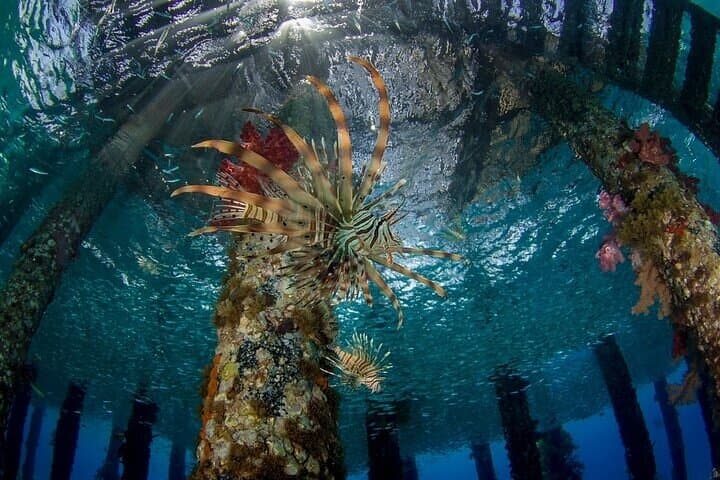
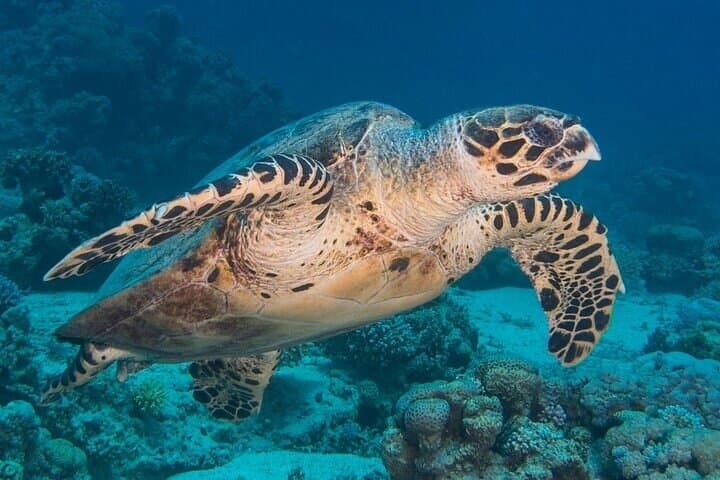
Expect classroom sessions covering safety and theory, confined-water drills in a purpose-built pool, then four open-water dives under instructor supervision. Depths during training reach down to 18 meters; conditions are generally calm with visibility commonly 10–30 meters depending on weather and season. Coral bommies, reef fish, and occasional rays or turtles are the reward for careful buoyancy work.
Practical guidance: arrive hydrated and rested, practice equalizing before descent, and bring a snug mask and reef-safe sunscreen. The operator provides tanks, regulators, and wetsuits; you should be able to swim and be comfortable in the water. Certification permits diving to 18 m worldwide and typically takes 3 days (up to 72 hours) depending on scheduling and student progress. After your final dive, towel off, sip tea on a sun lounger, and watch the horizon—Aqaba’s sea doesn’t rush you, it teaches you to move with it.