THE ADVENTURE COLLECTIVE® · Independent discovery and booking for outdoor travel

Learn to breathe, move and explore underwater with a PADI Open Water course that pairs pool training in Bangkok with two days of supervised open-water dives. Expect classroom study, confined-water skill drills and four ocean training dives aboard a dive boat.
Learn to breathe, move and explore underwater with a PADI Open Water course that pairs pool training in Bangkok with two days of supervised open-water dives. Expect classroom study, confined-water skill drills and four ocean training dives aboard a dive boat.
The first breaths underwater come after a day in a warm hotel pool, the chlorine giving way to salt and sun on day three. In Bangkok you’ll study theory and rehearse skills in controlled pool sessions before boarding a dive boat for two open-water days, where the city’s bustle is replaced by the steady hiss of regulators and the slow choreography of reef life.
Verified experiences and guided adventures in the surrounding area.
Operated by BB Marine Yacht Charter & Scuba Diving · Bangkok, Bangkok
The first breaths underwater come after a day in a warm hotel pool, the chlorine giving way to salt and sun on day three. In Bangkok you’ll study theory and rehearse skills in controlled pool sessions before boarding a dive boat for two open-water days, where the city’s bustle is replaced by the steady hiss of regulators and the slow choreography of reef life.
Thailand’s waters sit on the edge of the Indo-Pacific, a region shaped by tectonic motion and tropical currents that create pockets of coral and diverse marine life. While the course itself is modern PADI curriculum—knowledge development, confined-water drills, and four open-water training dives—the local culture and maritime history linger: fishing villages, longtail boats, and a dive industry that evolved around the Gulf of Thailand and nearby islands.
Expect classroom briefings, hands-on skill stations in a pool, then boat runs to nearshore sites for supervised dives. Instructors provide tanks, regulators, BCDs and weights; you need swimwear and a willingness to learn. Typical visibility in the Gulf varies seasonally—plan around November–April for the clearest water. Medical clearance is required for certain conditions; instructors will ask routine questions before you dive.
Practical tips: pace your study, stay hydrated, and bring a properly fitting mask if you have one. Morning sea conditions are usually calmer, so schedule open-water days early. On completion you’ll receive a PADI Open Water certificate and logbook—your passport to independent diving worldwide.
moderate.
3–4 days.
Suitable for people with basic swimming ability and good mobility; moderate stamina for repeated surface swims and boat transfers.
No prior scuba experience is required; you must be comfortable swimming and able to follow in-water instructions.
Yes—BCD, regulator, tank and weights are provided; many operators recommend bringing a personal mask for fit and comfort.
PADI Open Water certifications typically start at age 10 for junior programs and 15+ for the full Open Water course—confirm age minimums with the provider.
Yes; upon successful completion of knowledge checks, confined-water skills and four open-water training dives you receive a PADI Open Water certification and logbook entry.
Thailand’s coastal communities have long relied on small-boat fishing; recreational diving grew in the late 20th century alongside the country’s island tourism.
Many operators encourage reef-friendly practices—no-touch policies and proper weight/trim to avoid coral contact; consider choosing instructors who support local marine conservation efforts.
BB Marine Yacht Charter & Scuba Diving operates guided outdoor trips and adventures with an emphasis on safety, stewardship, and memorable experiences.
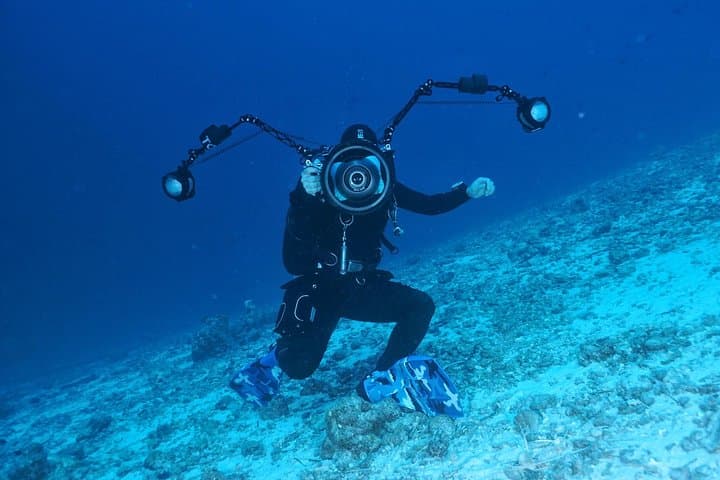
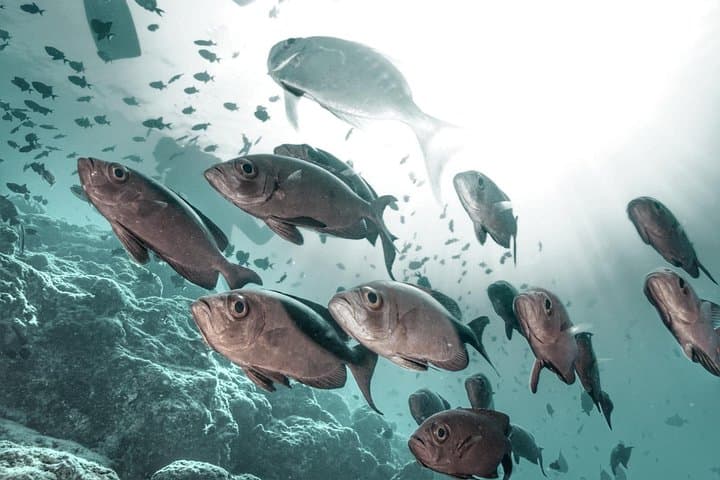
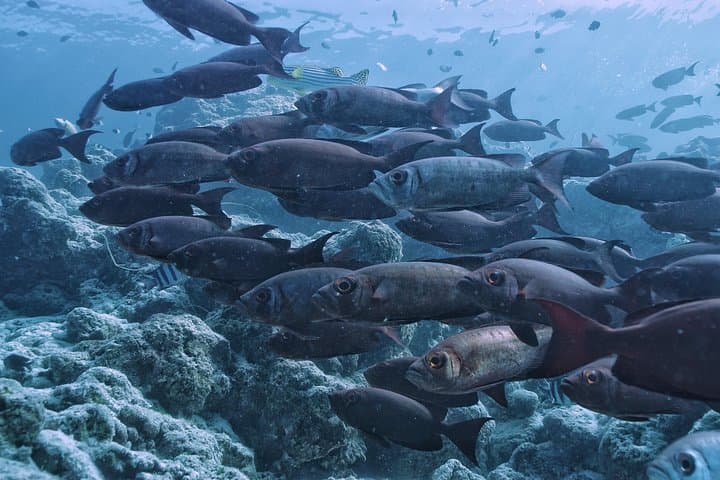
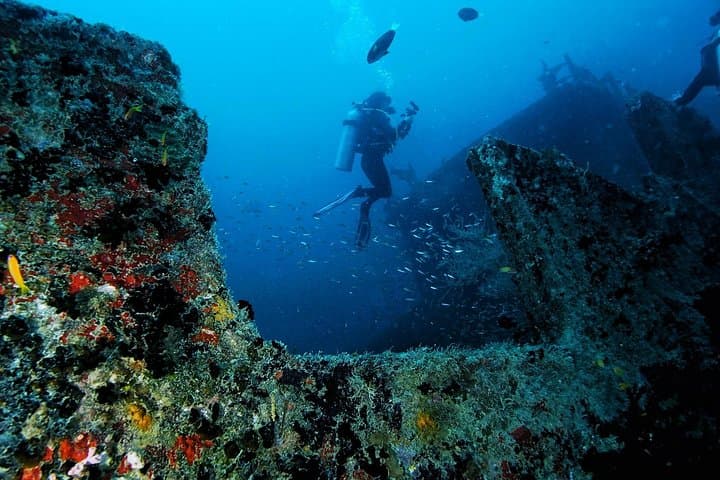
The first breaths underwater come after a day in a warm hotel pool, the chlorine giving way to salt and sun on day three. In Bangkok you’ll study theory and rehearse skills in controlled pool sessions before boarding a dive boat for two open-water days, where the city’s bustle is replaced by the steady hiss of regulators and the slow choreography of reef life.
The first breaths underwater come after a day in a warm hotel pool, the chlorine giving way to salt and sun on day three. In Bangkok you’ll study theory and rehearse skills in controlled pool sessions before boarding a dive boat for two open-water days, where the city’s bustle is replaced by the steady hiss of regulators and the slow choreography of reef life.
Thailand’s waters sit on the edge of the Indo-Pacific, a region shaped by tectonic motion and tropical currents that create pockets of coral and diverse marine life. While the course itself is modern PADI curriculum—knowledge development, confined-water drills, and four open-water training dives—the local culture and maritime history linger: fishing villages, longtail boats, and a dive industry that evolved around the Gulf of Thailand and nearby islands.
Expect classroom briefings, hands-on skill stations in a pool, then boat runs to nearshore sites for supervised dives. Instructors provide tanks, regulators, BCDs and weights; you need swimwear and a willingness to learn. Typical visibility in the Gulf varies seasonally—plan around November–April for the clearest water. Medical clearance is required for certain conditions; instructors will ask routine questions before you dive.
Practical tips: pace your study, stay hydrated, and bring a properly fitting mask if you have one. Morning sea conditions are usually calmer, so schedule open-water days early. On completion you’ll receive a PADI Open Water certificate and logbook—your passport to independent diving worldwide.