THE ADVENTURE COLLECTIVE® · Independent discovery and booking for outdoor travel

Train to dive off Tenerife with a PADI Open Water course based in Playa de las Américas. Spend confined-water sessions practicing skills, then complete four open-water dives to earn an international certification.
Train to dive off Tenerife with a PADI Open Water course based in Playa de las Américas. Spend confined-water sessions practicing skills, then complete four open-water dives to earn an international certification.
A warm Atlantic wind pushes spray across the quay as you step onto the dive boat, kit already stacked and instructors calling the safety brief. The black volcanic coast of southern Tenerife slips away—cliffs, hidden coves and the wide blue that will become your classroom. Early training begins in a sheltered bay or pool; by day two you’re weighting, breathing and clearing masks in open water, and by the final dives the reef drops away beneath you like a new country.
Verified experiences and guided adventures in the surrounding area.
Operated by Aqua-Marina Dive Centre · Playa de las Américas, Tenerife
A warm Atlantic wind pushes spray across the quay as you step onto the dive boat, kit already stacked and instructors calling the safety brief. The black volcanic coast of southern Tenerife slips away—cliffs, hidden coves and the wide blue that will become your classroom. Early training begins in a sheltered bay or pool; by day two you’re weighting, breathing and clearing masks in open water, and by the final dives the reef drops away beneath you like a new country.
Tenerife’s coastline is volcanic rock carved by waves and time; cliffs and lava fields frame shallow reefs and pockets of sand where marine life collects. The island’s Spanish and Guanche pasts surface in harbor towns and local fish markets, while modern tourism supports well-equipped PADI centers around Playa de las Américas. The course blends confined-water skill practice with four open-water dives—usually a mix of shore and short boat runs.
Practical guidance: complete the online theory before arrival, bring swimwear, a towel and sun protection, and expect full-day sessions of 5–6 hours during practical days. Water temperatures range roughly 18–24°C; most divers use a 3mm–5mm wetsuit depending on season. Physical requirements are moderate—comfortable swimming ability and no disqualifying medical conditions. Allow at least 24 hours after your last dive before flying.
Instructors here emphasize low student-to-instructor ratios and safety-focused progression. The reward is straightforward: an internationally recognized PADI Open Water certification and the confidence to explore Tenerife’s reefs, where turtles, octopus and shoals of Atlantic wrasse patrol the underwater gardens.
moderate.
3 days.
Moderate—comfortable swimming ability and basic buoyancy control by course end
PADI Open Water minimum age is 10 (Junior Open Water); minors require guardian consent and local center policies may vary.
Basic swimming ability and comfort in the water are required, but no previous scuba experience is necessary—skills are taught during the course.
The program typically runs three days of in‑water training after completing the online theory, with four qualifying open-water dives.
Yes—most centers include all dive equipment in the course price, though many divers bring their own mask and snorkel for comfort.
Tenerife formed through volcanic eruptions over millions of years; coastal lava flows created the reefs and cliffs divers explore today.
Many local dive operators follow marine reserve rules—use reef‑safe sunscreen, avoid touching fauna and support centers that practice responsible buoyancy and wildlife interactions.
Aqua-Marina Dive Centre operates guided outdoor trips and adventures with an emphasis on safety, stewardship, and memorable experiences.
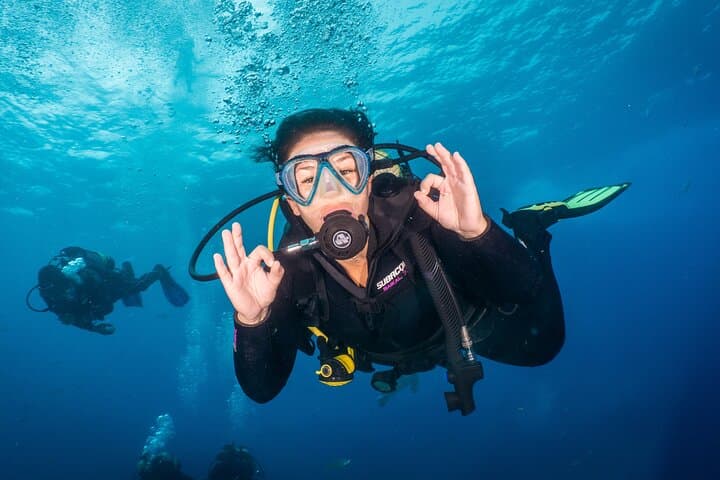
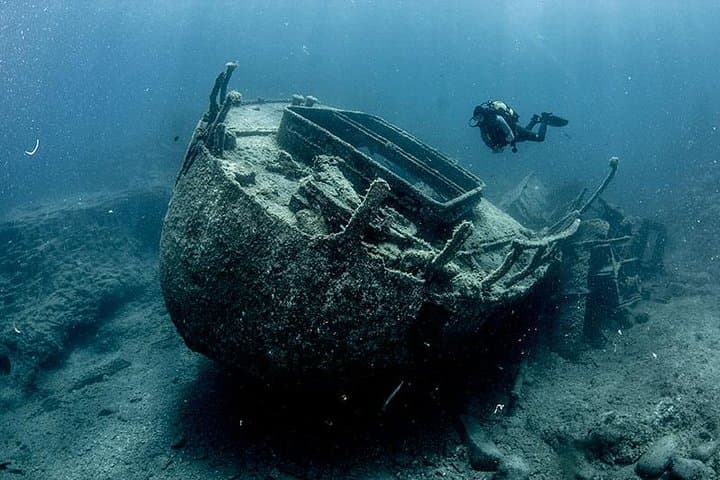
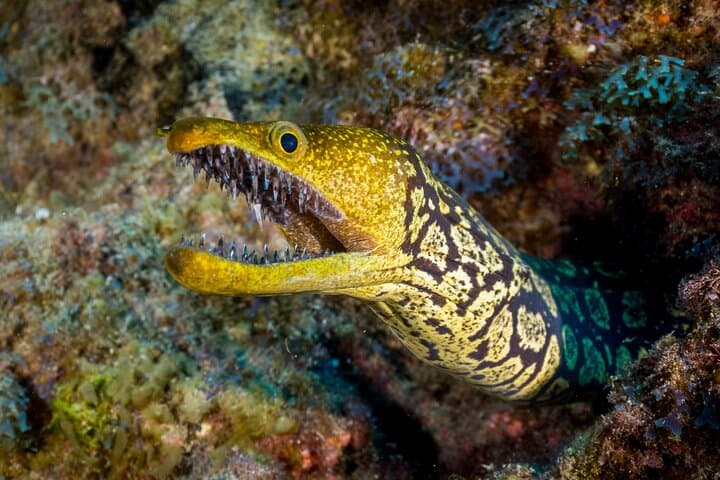
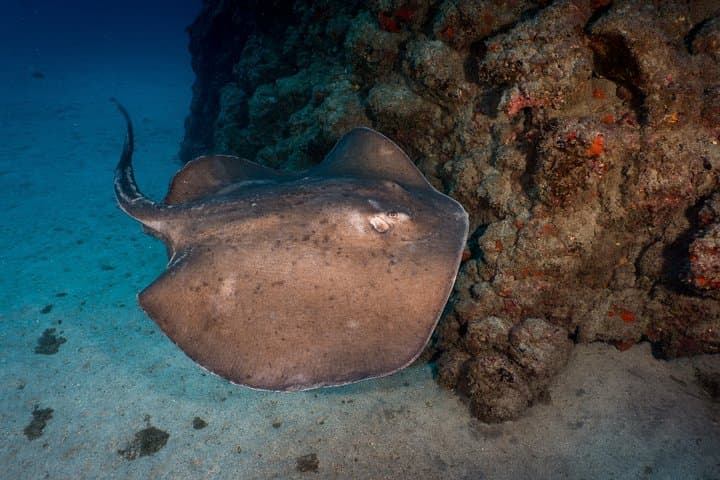
A warm Atlantic wind pushes spray across the quay as you step onto the dive boat, kit already stacked and instructors calling the safety brief. The black volcanic coast of southern Tenerife slips away—cliffs, hidden coves and the wide blue that will become your classroom. Early training begins in a sheltered bay or pool; by day two you’re weighting, breathing and clearing masks in open water, and by the final dives the reef drops away beneath you like a new country.
A warm Atlantic wind pushes spray across the quay as you step onto the dive boat, kit already stacked and instructors calling the safety brief. The black volcanic coast of southern Tenerife slips away—cliffs, hidden coves and the wide blue that will become your classroom. Early training begins in a sheltered bay or pool; by day two you’re weighting, breathing and clearing masks in open water, and by the final dives the reef drops away beneath you like a new country.
Tenerife’s coastline is volcanic rock carved by waves and time; cliffs and lava fields frame shallow reefs and pockets of sand where marine life collects. The island’s Spanish and Guanche pasts surface in harbor towns and local fish markets, while modern tourism supports well-equipped PADI centers around Playa de las Américas. The course blends confined-water skill practice with four open-water dives—usually a mix of shore and short boat runs.
Practical guidance: complete the online theory before arrival, bring swimwear, a towel and sun protection, and expect full-day sessions of 5–6 hours during practical days. Water temperatures range roughly 18–24°C; most divers use a 3mm–5mm wetsuit depending on season. Physical requirements are moderate—comfortable swimming ability and no disqualifying medical conditions. Allow at least 24 hours after your last dive before flying.
Instructors here emphasize low student-to-instructor ratios and safety-focused progression. The reward is straightforward: an internationally recognized PADI Open Water certification and the confidence to explore Tenerife’s reefs, where turtles, octopus and shoals of Atlantic wrasse patrol the underwater gardens.