THE ADVENTURE COLLECTIVE® · Independent discovery and booking for outdoor travel

Learn to scuba dive off Ko Phi Phi with a PADI Open Water course that combines eLearning, confined-water practice and guided dives around Phi Phi Leh and the Bida islands. Expect professional instructors, small classes, park fees and a solid chance to see turtles and reef sharks.
Learn to scuba dive off Ko Phi Phi with a PADI Open Water course that combines eLearning, confined-water practice and guided dives around Phi Phi Leh and the Bida islands. Expect professional instructors, small classes, park fees and a solid chance to see turtles and reef sharks.
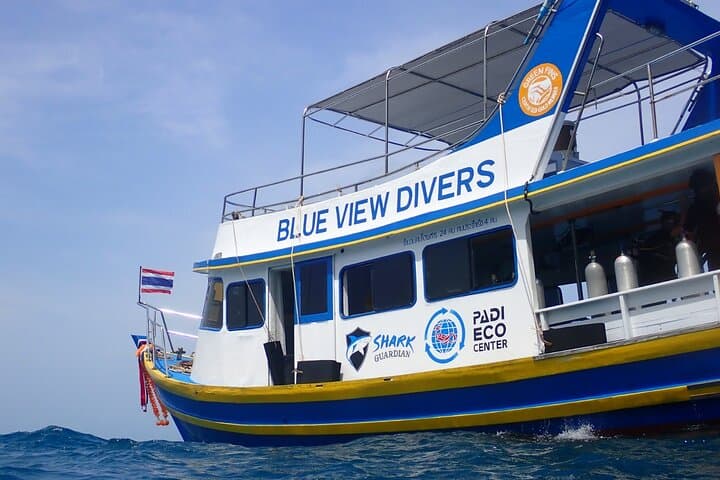
A morning boat ride slips away from Tonsai Pier and the limestone cliffs of Phi Phi Don shrink into a bluer horizon. Salt and diesel mix with nervous excitement as instructors check tanks and the viewpoint resort fades behind you; below, the sea is a layered world—warm surface light, a deeper quiet where corals fan and fish thread through bommies.
Verified experiences and guided adventures in the surrounding area.
Operated by Blue View Divers · Ko Phi Phi Don, Krabi
A morning boat ride slips away from Tonsai Pier and the limestone cliffs of Phi Phi Don shrink into a bluer horizon. Salt and diesel mix with nervous excitement as instructors check tanks and the viewpoint resort fades behind you; below, the sea is a layered world—warm surface light, a deeper quiet where corals fan and fish thread through bommies.
Phi Phi’s reefs sit on karst limestone shelves carved over millennia, a short hop from islands that were once fishing camps for Chao Leh communities. The area is within Hat Noppharat Thara–Mu Ko Phi Phi National Park, so diving here is governed by park fees and seasonal closures aimed at protecting corals and turtle nesting sites.
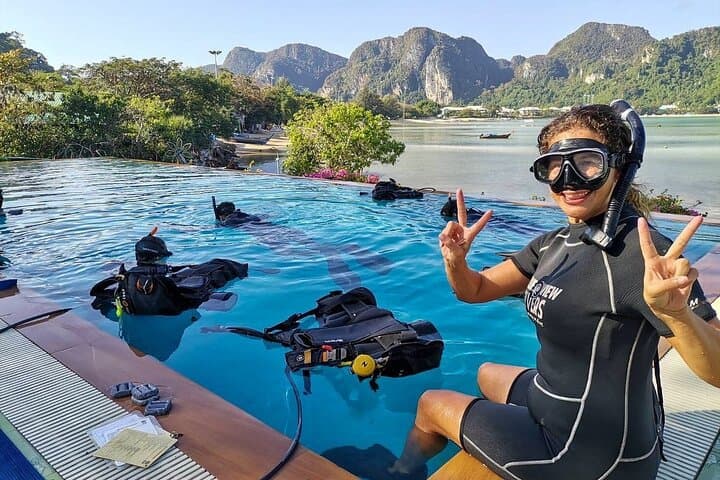
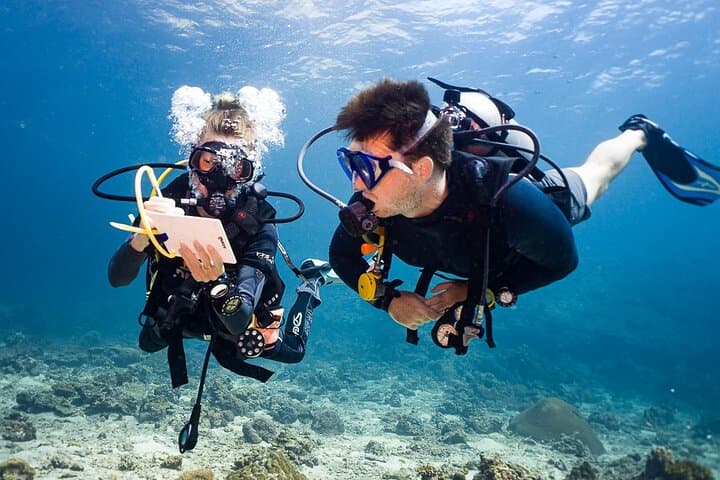
On this PADI Open Water course you’ll pair PADI eLearning theory with confined-water skill sessions off the beach and supervised open-water dives around Phi Phi Leh and the Bida islands. Expect two dives per boat day, surface intervals with fresh pineapple and a zero-waste lunch, and guided entries that build buoyancy, mask clearing and emergency procedures until they become second nature.
Practical guidance: complete the 8–12 hour eLearning before you arrive and bring a recent medical clearance if required. Book 3 nights to allow time for theory, pool work and two days of ocean dives. Visibility on calm days is excellent (10–25 m); monsoon swells can reduce it and change schedules. Use reef-safe sunscreen, hydrate well, and listen closely during briefings—good air consumption and relaxed buoyancy are the best safety tools here.
moderate.
2–3 days.
Moderate fitness; comfortable swimming ability and ability to carry/hoist equipment required
With eLearning complete you can finish the confined skills and four open-water dives over two intensive days; plan 2–3 days including study time.
No—this is a beginner certification, but you must be comfortable in the water and able to swim short distances unaided.
You typically pay National Park fees at the pier or they may be included—confirm with the dive center ahead of departure.
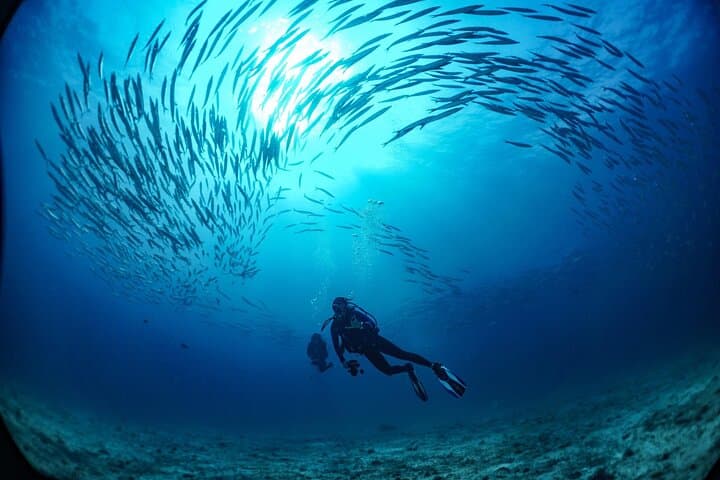
Common sightings include green sea turtles, blacktip reef sharks, anemonefish, and diverse hard and soft corals at training sites.
Phi Phi was traditionally home to sea gypsy communities and later became a fishing hub; its karst islands are products of millions of years of marine erosion.
The area is managed as a national park with limits on visitor numbers at sensitive sites; divers are encouraged to maintain neutral buoyancy and use reef-safe products to reduce impact.
Blue View Divers operates guided outdoor trips and adventures with an emphasis on safety, stewardship, and memorable experiences.
A morning boat ride slips away from Tonsai Pier and the limestone cliffs of Phi Phi Don shrink into a bluer horizon. Salt and diesel mix with nervous excitement as instructors check tanks and the viewpoint resort fades behind you; below, the sea is a layered world—warm surface light, a deeper quiet where corals fan and fish thread through bommies.
A morning boat ride slips away from Tonsai Pier and the limestone cliffs of Phi Phi Don shrink into a bluer horizon. Salt and diesel mix with nervous excitement as instructors check tanks and the viewpoint resort fades behind you; below, the sea is a layered world—warm surface light, a deeper quiet where corals fan and fish thread through bommies.
Phi Phi’s reefs sit on karst limestone shelves carved over millennia, a short hop from islands that were once fishing camps for Chao Leh communities. The area is within Hat Noppharat Thara–Mu Ko Phi Phi National Park, so diving here is governed by park fees and seasonal closures aimed at protecting corals and turtle nesting sites.
On this PADI Open Water course you’ll pair PADI eLearning theory with confined-water skill sessions off the beach and supervised open-water dives around Phi Phi Leh and the Bida islands. Expect two dives per boat day, surface intervals with fresh pineapple and a zero-waste lunch, and guided entries that build buoyancy, mask clearing and emergency procedures until they become second nature.
Practical guidance: complete the 8–12 hour eLearning before you arrive and bring a recent medical clearance if required. Book 3 nights to allow time for theory, pool work and two days of ocean dives. Visibility on calm days is excellent (10–25 m); monsoon swells can reduce it and change schedules. Use reef-safe sunscreen, hydrate well, and listen closely during briefings—good air consumption and relaxed buoyancy are the best safety tools here.