THE ADVENTURE COLLECTIVE® · Independent discovery and booking for outdoor travel

Three days of focused instruction and five open-water dives get you certified to 18 meters while exploring Curaçao’s clear reefs, wrecks and frequent turtle encounters. Complete the e-learning, pack reef-safe sun protection, and be ready to practice confined-water skills before heading out on your open-water dives.
Three days of focused instruction and five open-water dives get you certified to 18 meters while exploring Curaçao’s clear reefs, wrecks and frequent turtle encounters. Complete the e-learning, pack reef-safe sun protection, and be ready to practice confined-water skills before heading out on your open-water dives.
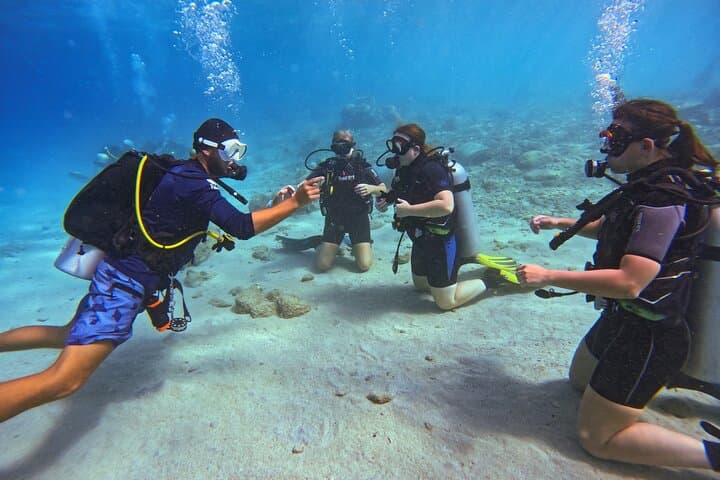
The sea here moves with intent: warm, clear water that refracts sunlight into shifting bands over coral gardens. On day one you sit in a shaded classroom or finish the e-learning, then step into waist-deep shallows to practice mask-clearing and regulator recovery while the reef watches.
Verified experiences and guided adventures in the surrounding area.
Operated by Scuba Diving in Curacao · Willemstad, Curaçao
The sea here moves with intent: warm, clear water that refracts sunlight into shifting bands over coral gardens. On day one you sit in a shaded classroom or finish the e-learning, then step into waist-deep shallows to practice mask-clearing and regulator recovery while the reef watches.
Curaçao’s reefs grew on exposed limestone platforms carved by sea-level changes, producing shelf-edge walls, sandy channels and shallow fringing reefs ideal for beginner training. The island’s Dutch colonial ports made it a regional seafaring hub; today local communities blend Afro-Caribbean culture with maritime livelihoods, and small dive shops plug into that seafaring tradition.
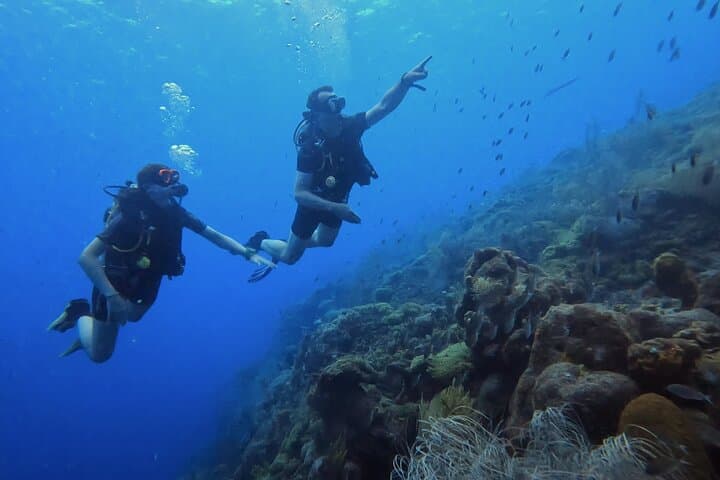
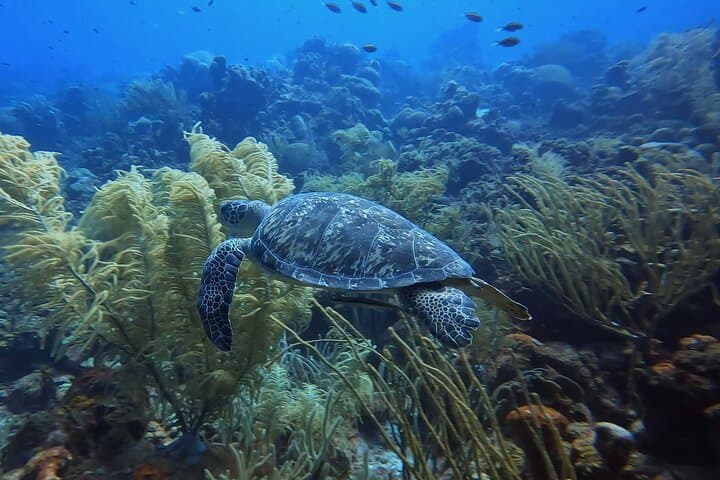
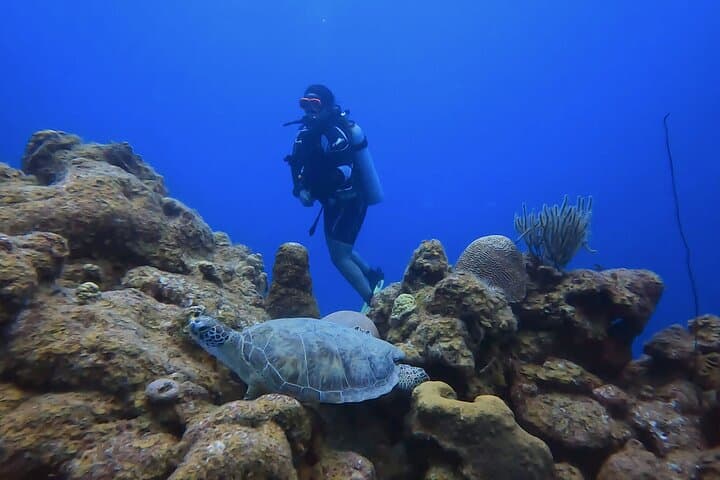
Over three days the PADI Open Water course pairs theory with five confined and open-water dives, the last to about 18 meters (60 ft). Expect calm entry sites, sheltered bays and sites with abundant reef fish — parrotfish, sergeant majors and regular green sea turtle sightings — plus the occasional wreck or cavern near shore. Instructors focus on buoyancy, buddy procedures, and safe ascent profiles.
Practical pointers: complete the e-learning before arrival, stay hydrated and practice equalizing during descents, and bring reef-safe sunscreen. Surface intervals are short; a lightweight 3mm wetsuit is usually sufficient year-round. Medical clearance is required if you have cardiovascular or spinal issues, and courses are typically scheduled as small-group sessions with instant booking followed by manual confirmation.
This course turns curiosity into certified capability: you’ll leave with foundational dive skills, local site knowledge, and a license that opens Curaçao’s reefs and wrecks to continued exploration.
moderate.
3 days.
Moderate fitness: comfortable swimming and basic cardiovascular health required; be ready for repeated surface swims and gear handling.
No prior scuba experience is required; you should be comfortable swimming and complete the e-learning before on-water training.
PADI Open Water standard minimum age is 10–12 for junior certifications in some programs; confirm with the operator for their specific age policy.
Open water dives during this course include a final qualifying dive to about 18 meters (60 feet), with earlier dives in shallower, controlled conditions.
Yes — use of standard scuba equipment and tanks is included; you may bring personal gear like mask and computer if preferred.
Curaçao’s maritime history stems from its strategic colonial port and salt production; reefs historically supported fishing communities and now attract divers globally.
Local operators often participate in coral restoration and reef-cleanup efforts; follow buoyancy best practices and avoid touching coral to minimize impact.
Scuba Diving in Curacao operates guided outdoor trips and adventures with an emphasis on safety, stewardship, and memorable experiences.
The sea here moves with intent: warm, clear water that refracts sunlight into shifting bands over coral gardens. On day one you sit in a shaded classroom or finish the e-learning, then step into waist-deep shallows to practice mask-clearing and regulator recovery while the reef watches.
The sea here moves with intent: warm, clear water that refracts sunlight into shifting bands over coral gardens. On day one you sit in a shaded classroom or finish the e-learning, then step into waist-deep shallows to practice mask-clearing and regulator recovery while the reef watches.
Curaçao’s reefs grew on exposed limestone platforms carved by sea-level changes, producing shelf-edge walls, sandy channels and shallow fringing reefs ideal for beginner training. The island’s Dutch colonial ports made it a regional seafaring hub; today local communities blend Afro-Caribbean culture with maritime livelihoods, and small dive shops plug into that seafaring tradition.
Over three days the PADI Open Water course pairs theory with five confined and open-water dives, the last to about 18 meters (60 ft). Expect calm entry sites, sheltered bays and sites with abundant reef fish — parrotfish, sergeant majors and regular green sea turtle sightings — plus the occasional wreck or cavern near shore. Instructors focus on buoyancy, buddy procedures, and safe ascent profiles.
Practical pointers: complete the e-learning before arrival, stay hydrated and practice equalizing during descents, and bring reef-safe sunscreen. Surface intervals are short; a lightweight 3mm wetsuit is usually sufficient year-round. Medical clearance is required if you have cardiovascular or spinal issues, and courses are typically scheduled as small-group sessions with instant booking followed by manual confirmation.
This course turns curiosity into certified capability: you’ll leave with foundational dive skills, local site knowledge, and a license that opens Curaçao’s reefs and wrecks to continued exploration.