THE ADVENTURE COLLECTIVE® · Independent discovery and booking for outdoor travel

Learn to dive beneath the Red Sea’s coral gardens on a three-day PADI Open Water course out of Hurghada. Six supervised dives, small groups, and full equipment set you up for certification to 18 m.
Learn to dive beneath the Red Sea’s coral gardens on a three-day PADI Open Water course out of Hurghada. Six supervised dives, small groups, and full equipment set you up for certification to 18 m.
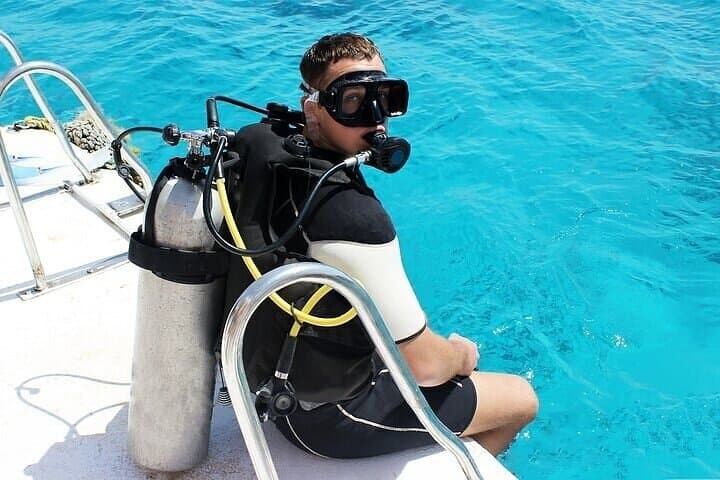
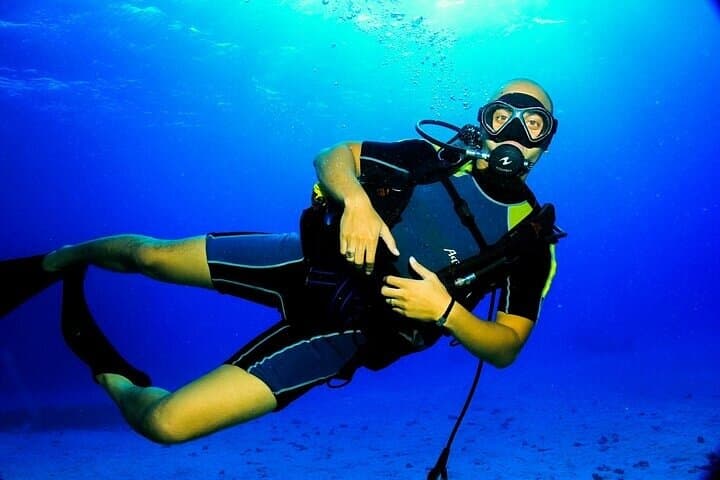
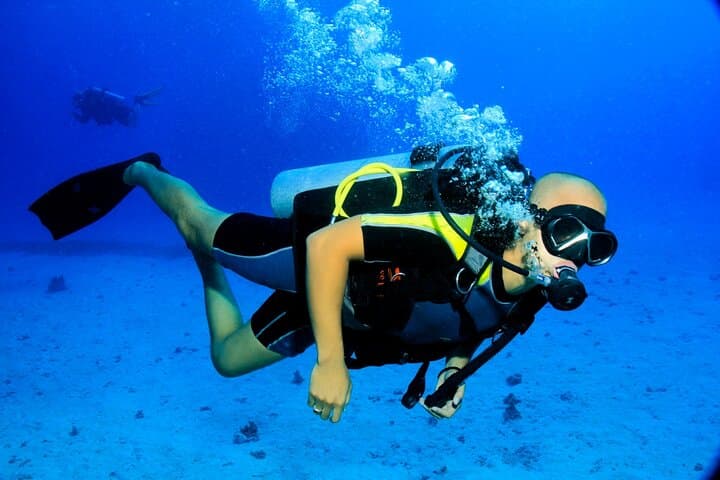
The sun eases over the Red Sea as the dive boat slips away from Hurghada’s shoreline; beneath the surface, coral gardens fan out like living streets and parrotfish patrol the avenues. On a three-day PADI Open Water course, that first view becomes your classroom—clear water, steady visibility, and reefs that reward careful attention.
Verified experiences and guided adventures in the surrounding area.
Operated by Noun Travel · Hurghada, Red Sea Governorate
The sun eases over the Red Sea as the dive boat slips away from Hurghada’s shoreline; beneath the surface, coral gardens fan out like living streets and parrotfish patrol the avenues. On a three-day PADI Open Water course, that first view becomes your classroom—clear water, steady visibility, and reefs that reward careful attention.
Geologically the Red Sea is a young rift, its steep drop-offs and isolated reef systems creating pockets of high biodiversity. Hurghada’s dive sites show hard and soft corals, bommies and shallow plateaus formed on volcanic and sedimentary substrates. Culturally, the coast has long connected inland Egypt with Red Sea trade—modern dive centers sit alongside small ports and Bedouin communities that still fish these waters.
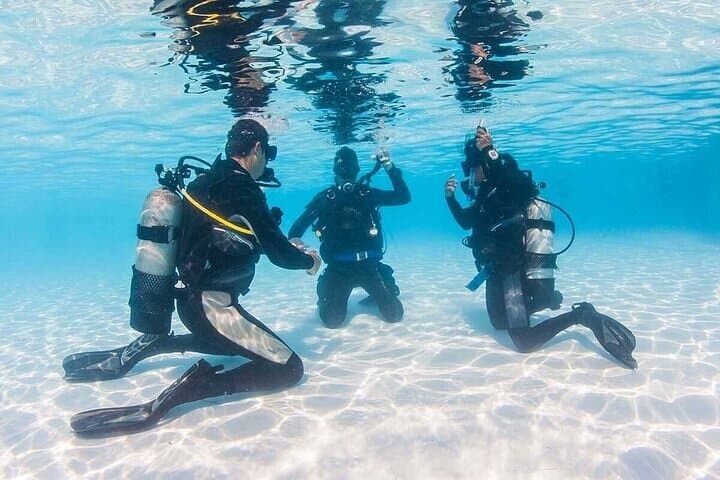
The course combines confined-water skills, classroom briefings, and six open-water dives to 18 m under instructor supervision. Expect small groups, hotel pickup in an air-conditioned vehicle, and full equipment provided. Typical days balance morning boat runs, surface intervals with light lunches and steady skill drills.
Practical advice: stay hydrated and well-rested, wear reef-safe sunscreen, and practice equalizing before descents. If you’re sensitive to motion, take the last meal lightly and pick a mid-morning departure when seas are often calmer. Certification opens worldwide diving to 18 m, but local guides will point out currents, marine life behaviors and site-specific etiquette. For new divers, patience with skills and respect for reefs makes the course both safe and unforgettable.
moderate.
3 days (approx. 72 hours total including travel and surface intervals).
Reasonable cardiovascular fitness and comfort in open water; ability to swim 200 m and tread water for several minutes.
No prior scuba experience is required; you must be comfortable in water and able to swim; instruction starts in shallow/confined water.
The PADI Open Water certification allows dives to a maximum depth of 18 meters (60 feet) when diving with a buddy.
Most courses provide full SCUBA equipment for the course; bringing your own mask and fins ensures best fit and comfort.
Day 1 covers theory and confined-water skills; days 2 and 3 include open-water boat dives (total six dives) and final assessments under instructor supervision.
Hurghada’s coastline grew from fishing port to dive hub in the late 20th century as tourism expanded around the Red Sea’s reefs.
Local operators emphasize reef-safe practices and many centers support coral-restoration and no-take zones to protect reef health.
Noun Travel operates guided outdoor trips and adventures with an emphasis on safety, stewardship, and memorable experiences.
The sun eases over the Red Sea as the dive boat slips away from Hurghada’s shoreline; beneath the surface, coral gardens fan out like living streets and parrotfish patrol the avenues. On a three-day PADI Open Water course, that first view becomes your classroom—clear water, steady visibility, and reefs that reward careful attention.
The sun eases over the Red Sea as the dive boat slips away from Hurghada’s shoreline; beneath the surface, coral gardens fan out like living streets and parrotfish patrol the avenues. On a three-day PADI Open Water course, that first view becomes your classroom—clear water, steady visibility, and reefs that reward careful attention.
Geologically the Red Sea is a young rift, its steep drop-offs and isolated reef systems creating pockets of high biodiversity. Hurghada’s dive sites show hard and soft corals, bommies and shallow plateaus formed on volcanic and sedimentary substrates. Culturally, the coast has long connected inland Egypt with Red Sea trade—modern dive centers sit alongside small ports and Bedouin communities that still fish these waters.
The course combines confined-water skills, classroom briefings, and six open-water dives to 18 m under instructor supervision. Expect small groups, hotel pickup in an air-conditioned vehicle, and full equipment provided. Typical days balance morning boat runs, surface intervals with light lunches and steady skill drills.
Practical advice: stay hydrated and well-rested, wear reef-safe sunscreen, and practice equalizing before descents. If you’re sensitive to motion, take the last meal lightly and pick a mid-morning departure when seas are often calmer. Certification opens worldwide diving to 18 m, but local guides will point out currents, marine life behaviors and site-specific etiquette. For new divers, patience with skills and respect for reefs makes the course both safe and unforgettable.