THE ADVENTURE COLLECTIVE® · Independent discovery and booking for outdoor travel

Learn to swim with a monofin and mermaid tail on Platja de Llevant in Barcelona. This two‑hour PADI Mermaid session combines shallow-water drills, instructor coaching, and recorded video to take home.
Learn to swim with a monofin and mermaid tail on Platja de Llevant in Barcelona. This two‑hour PADI Mermaid session combines shallow-water drills, instructor coaching, and recorded video to take home.
The Mediterranean flattens into a long, slow blue at Platja de Llevant, and for two hours the sea feels less like background and more like a playground that dares you to move differently. You step from warm sand into waist-high water, strap into a monofin and tail, and the instructors guide you through the basic motions—duck entry, dolphin kick—until your body learns a new rhythm.
Verified experiences and guided adventures in the surrounding area.
Operated by iDive Barcelona Diving School · Barcelona, Catalonia
The Mediterranean flattens into a long, slow blue at Platja de Llevant, and for two hours the sea feels less like background and more like a playground that dares you to move differently. You step from warm sand into waist-high water, strap into a monofin and tail, and the instructors guide you through the basic motions—duck entry, dolphin kick—until your body learns a new rhythm.
Barcelona’s waterfront is shaped by decades of coastal engineering and the post-1992 Olympic makeover; Llevant is one of the newer stretches of sand that opened public access to the city’s eastern edge and a quieter face of urban sea. The seabed here is mostly sand with occasional rocky outcrops near the Besòs mouth, so visibility varies with swell and wind. Culturally, the experience taps into Barcelona’s play-with-the-sea attitude—beach culture is local ritual and learning to move in the water fits neatly into that tradition.
Practically, the session lasts about 120 minutes and includes mermaid equipment and video footage. Expect brief shore-side instruction, shallow-water practice, and coached sequences recorded by staff. The activity is marketed as physically easy but requires basic comfort in the water; it’s not a scuba or freediving course.
Plan to arrive 15–20 minutes early, bring a swimsuit and towel, and use reef‑safe sunscreen. Book in advance—spots are limited—and check cancellations around bad weather. If you have cardiovascular concerns or are pregnant, this activity is not recommended. For most participants, it’s a playful, low‑risk way to learn new movement patterns and walk away with memorable video keepsakes.
easy.
2 hours.
Suitable for people comfortable in shallow water and able to swim short distances; no advanced fitness required
No—this is an introductory session. Instructors teach tail technique and safe entries; basic swimming comfort is recommended.
Typical sessions accept teens and adults; check with the operator for minimum age limits or family-friendly slots.
Yes—the mermaid tail and monofin are included, and video footage of your session is usually provided by the organizers.
The operator may cancel for rough sea or strong winds; full refunds are typically available if you cancel at least 24 hours in advance or if the activity is cancelled by the provider.
Barcelona’s modern beachfront was largely reshaped around the 1992 Olympics and subsequent coastal projects; Llevant represents the city’s expansion of public access eastward.
High visitor use stresses this shoreline—use reef-safe sunscreen, pack out all trash, and avoid disturbing birds and marine life to keep the beach healthy.
iDive Barcelona Diving School operates guided outdoor trips and adventures with an emphasis on safety, stewardship, and memorable experiences.
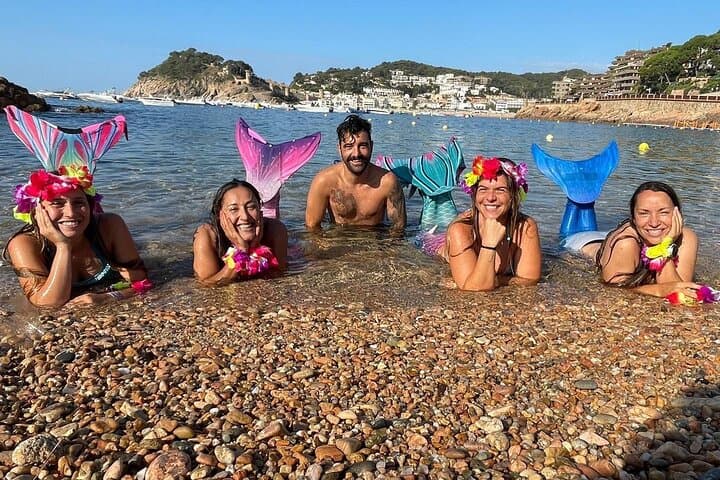
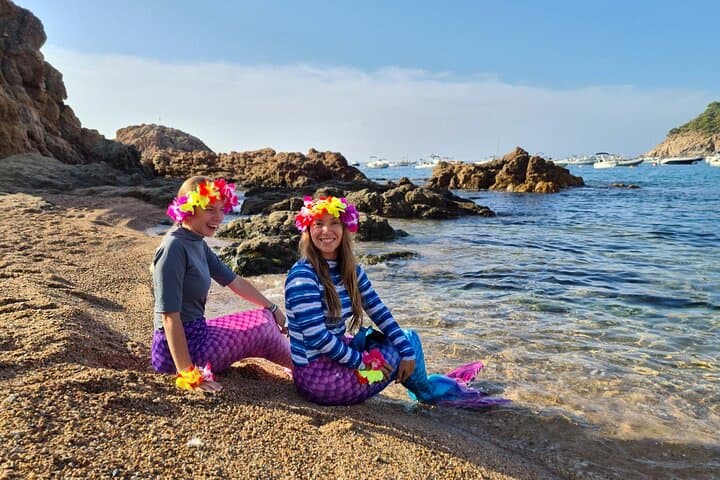
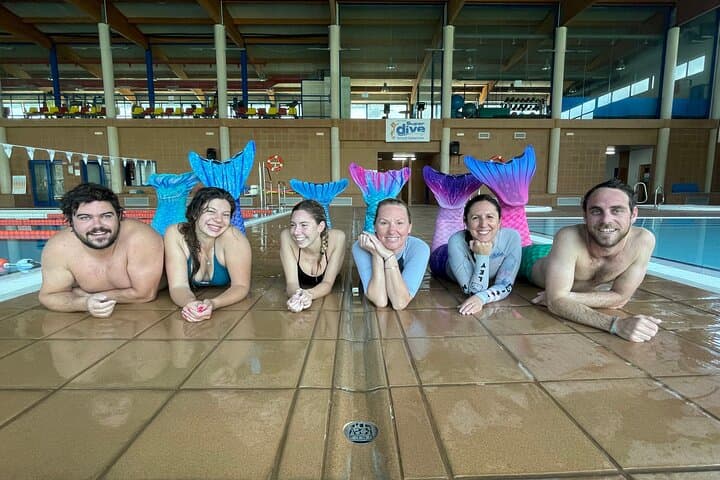
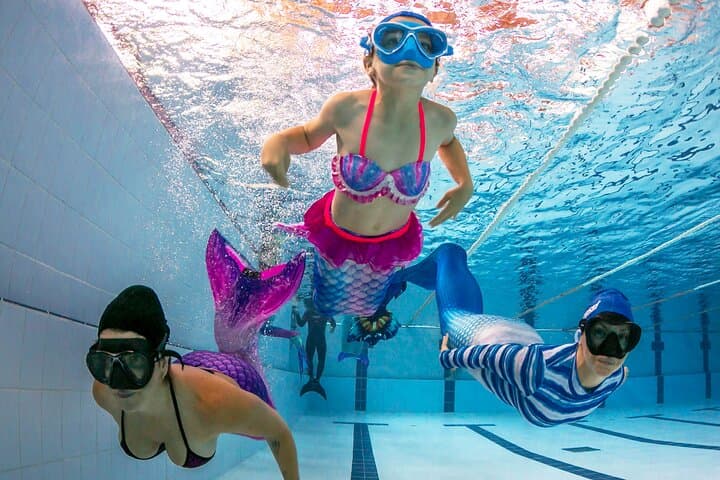
The Mediterranean flattens into a long, slow blue at Platja de Llevant, and for two hours the sea feels less like background and more like a playground that dares you to move differently. You step from warm sand into waist-high water, strap into a monofin and tail, and the instructors guide you through the basic motions—duck entry, dolphin kick—until your body learns a new rhythm.
The Mediterranean flattens into a long, slow blue at Platja de Llevant, and for two hours the sea feels less like background and more like a playground that dares you to move differently. You step from warm sand into waist-high water, strap into a monofin and tail, and the instructors guide you through the basic motions—duck entry, dolphin kick—until your body learns a new rhythm.
Barcelona’s waterfront is shaped by decades of coastal engineering and the post-1992 Olympic makeover; Llevant is one of the newer stretches of sand that opened public access to the city’s eastern edge and a quieter face of urban sea. The seabed here is mostly sand with occasional rocky outcrops near the Besòs mouth, so visibility varies with swell and wind. Culturally, the experience taps into Barcelona’s play-with-the-sea attitude—beach culture is local ritual and learning to move in the water fits neatly into that tradition.
Practically, the session lasts about 120 minutes and includes mermaid equipment and video footage. Expect brief shore-side instruction, shallow-water practice, and coached sequences recorded by staff. The activity is marketed as physically easy but requires basic comfort in the water; it’s not a scuba or freediving course.
Plan to arrive 15–20 minutes early, bring a swimsuit and towel, and use reef‑safe sunscreen. Book in advance—spots are limited—and check cancellations around bad weather. If you have cardiovascular concerns or are pregnant, this activity is not recommended. For most participants, it’s a playful, low‑risk way to learn new movement patterns and walk away with memorable video keepsakes.