THE ADVENTURE COLLECTIVE® · Independent discovery and booking for outdoor travel

Learn breath-hold technique and safety in two days of classroom and in-water practice at Carlisle Bay. This PADI Freediver course pairs structured drills with supervised depth work over historic wrecks.
Learn breath-hold technique and safety in two days of classroom and in-water practice at Carlisle Bay. This PADI Freediver course pairs structured drills with supervised depth work over historic wrecks.
A stretch of white sand frames Carlisle Bay; the sea there reads as two tones — a shallow turquoise lagoon that invites long, easy breath holds and a darker ribbon of reef where depth begins to tug at the lungs. On arrival participants meet at the small esplanade pavilion by the basketball courts, gear in hand, while the instructor lays out shallow drills and safety routines.
Verified experiences and guided adventures in the surrounding area.
Operated by Trident Freedivers Barbados · Bridgetown, Saint Michael
A stretch of white sand frames Carlisle Bay; the sea there reads as two tones — a shallow turquoise lagoon that invites long, easy breath holds and a darker ribbon of reef where depth begins to tug at the lungs. On arrival participants meet at the small esplanade pavilion by the basketball courts, gear in hand, while the instructor lays out shallow drills and safety routines.
Barbados has been a maritime crossroad for centuries. Carlisle Bay itself contains historical shipwrecks from colonial trade routes; today those wrecks double as artificial reef and training venues for breath-hold divers. The island’s limestone base and steady Caribbean swell create predictable profiles: short surface intervals, clear visibility, but occasional currents that demand respect.
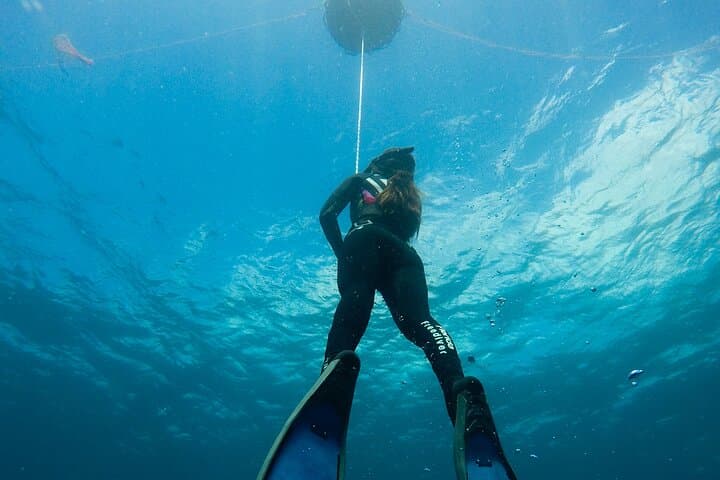
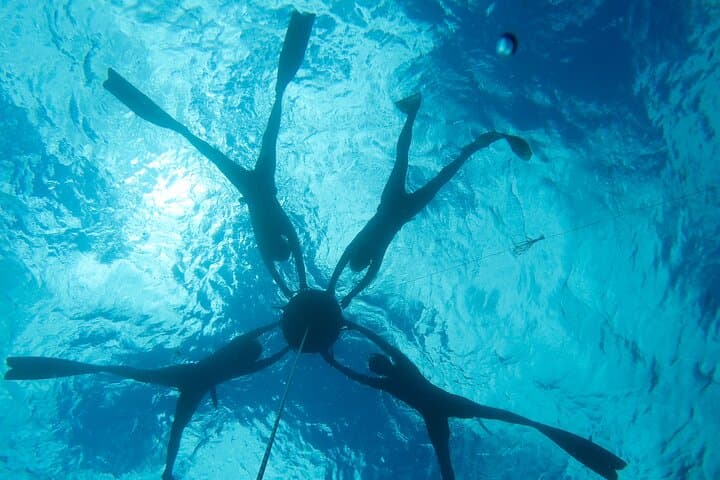
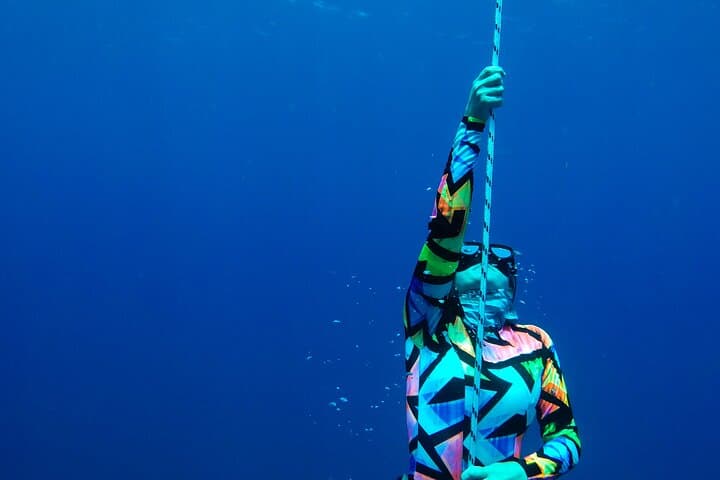
The two-day PADI Freediver course combines classroom technique — breathing, equalization, and rescue theory — with in-water practice: static apnea, dynamic pool-style swims on a surface interval, then supervised depth work over the reef. Emphasis is on safe progression and the buddy system; certification targets are explained but not forced.
Practical notes: arrive hydrated, avoid heavy meals within two hours of training, and expect multiple short, intense breath-hold efforts rather than long swims. Fins and a fitted mask matter more than brand names; comfort and fit reduce energy expenditure. Timing classes for morning sessions minimizes surface chop and heat. For newer divers, accept conservative depth goals — the point is controlled skill, not immediate numbers. Carlisle Bay’s clear water, wrecks, and reliable conditions make it a strong first step into freediving.
moderate.
2 days.
Moderate cardiovascular fitness and comfort in open water; ability to swim and tread water for several minutes.
Basic swimming and snorkeling comfort are required; the course teaches specific freediving techniques from beginner level.
Yes — PADI Freediver certification is an internationally recognized entry-level freediving qualification for recreational freediving.
Minors usually require parental consent and all participants must disclose heart, ear, or respiratory issues — some conditions can disqualify you for safety reasons.
Instructors prioritize safety and skills; you can repeat sections or return for additional supervised sessions instead of forcing a depth attempt.
Carlisle Bay hosted colonial-era shipping and several wrecks now used as dive sites; the bay’s maritime past shapes its underwater terrain.
Respect coral and marine life by not touching reef or handling wildlife; local operators support reef protection and buoyed mooring to limit anchor damage.
Trident Freedivers Barbados operates guided outdoor trips and adventures with an emphasis on safety, stewardship, and memorable experiences.
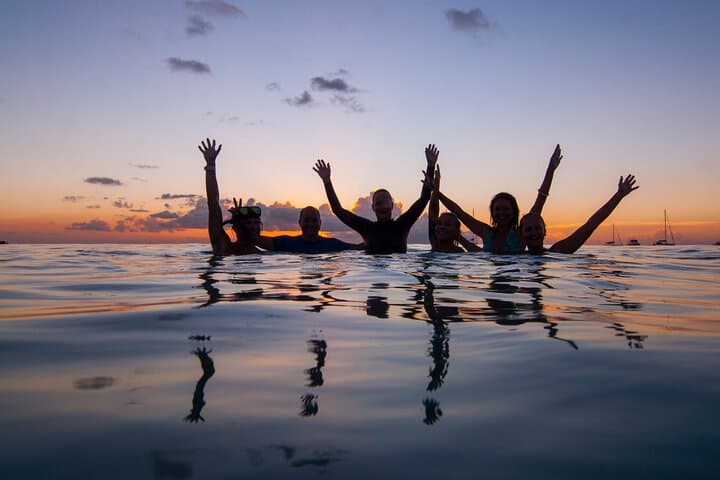
A stretch of white sand frames Carlisle Bay; the sea there reads as two tones — a shallow turquoise lagoon that invites long, easy breath holds and a darker ribbon of reef where depth begins to tug at the lungs. On arrival participants meet at the small esplanade pavilion by the basketball courts, gear in hand, while the instructor lays out shallow drills and safety routines.
A stretch of white sand frames Carlisle Bay; the sea there reads as two tones — a shallow turquoise lagoon that invites long, easy breath holds and a darker ribbon of reef where depth begins to tug at the lungs. On arrival participants meet at the small esplanade pavilion by the basketball courts, gear in hand, while the instructor lays out shallow drills and safety routines.
Barbados has been a maritime crossroad for centuries. Carlisle Bay itself contains historical shipwrecks from colonial trade routes; today those wrecks double as artificial reef and training venues for breath-hold divers. The island’s limestone base and steady Caribbean swell create predictable profiles: short surface intervals, clear visibility, but occasional currents that demand respect.
The two-day PADI Freediver course combines classroom technique — breathing, equalization, and rescue theory — with in-water practice: static apnea, dynamic pool-style swims on a surface interval, then supervised depth work over the reef. Emphasis is on safe progression and the buddy system; certification targets are explained but not forced.
Practical notes: arrive hydrated, avoid heavy meals within two hours of training, and expect multiple short, intense breath-hold efforts rather than long swims. Fins and a fitted mask matter more than brand names; comfort and fit reduce energy expenditure. Timing classes for morning sessions minimizes surface chop and heat. For newer divers, accept conservative depth goals — the point is controlled skill, not immediate numbers. Carlisle Bay’s clear water, wrecks, and reliable conditions make it a strong first step into freediving.