THE ADVENTURE COLLECTIVE® · Independent discovery and booking for outdoor travel

A focused, classroom-plus-pool introduction to breathhold diving in Athens. Learn the breathing, relaxation and safety skills that let you explore blue water responsibly.
A focused, classroom-plus-pool introduction to breathhold diving in Athens. Learn the breathing, relaxation and safety skills that let you explore blue water responsibly.
Book with Seals Diving Center
Book directly with Seals Diving Center for the best rates and real-time scheduling.
Reserve NowVerified experiences and guided adventures in the surrounding area.
Operated by Seals Diving Center · Athens, Attica
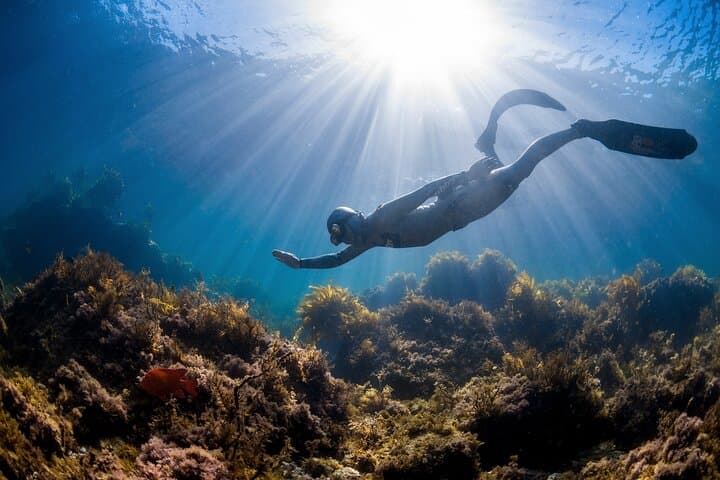
The session begins at the pool edge: clear water, a small circle of instructors, and the measured inhale before the first submersion. In Athens the lesson often happens in a controlled, confined-water site where the Aegean light and nearby coastline are a visual reminder that these breathhold skills translate to open water.
moderate.
4 hours.
Comfortable swimmer with moderate cardiovascular fitness; breath‑hold practice can be demanding and benefits from relaxation training.
You must be at least 12 years old to enroll; minors usually require parental consent and instructor confirmation.
No prior snorkeling or diving experience is required, but you should be a competent swimmer and comfortable in deep water.
Yes — people with heart disease, serious respiratory problems, spinal issues, epilepsy, or those who are pregnant should consult a physician and may need medical clearance.
The PADI Basic Freediver is an introductory subset; completion provides foundational knowledge but full PADI Freediver certification requires additional training and assessments.
Breathhold diving has roots in Mediterranean coastal communities and sponge-fishing traditions; modern freediving builds on these practical skills with safety and physiology.
Be reef-aware: avoid touching Posidonia seagrass and marine life, use reef‑safe sunscreen, and follow local guidelines to reduce impact on coastal ecosystems.
Seals Diving Center operates guided outdoor trips and adventures with an emphasis on safety, stewardship, and memorable experiences.

Book with Seals Diving Center
Book directly with Seals Diving Center for the best rates and real-time scheduling.
Reserve Now