THE ADVENTURE COLLECTIVE® · Independent discovery and booking for outdoor travel

Advance your diving around Koh Kood with a PADI Advanced Open Water course that emphasizes deep and navigation dives plus three specialty electives. Practical, instructor-led training over two to three days that builds confidence, buoyancy and underwater navigation skills.
Advance your diving around Koh Kood with a PADI Advanced Open Water course that emphasizes deep and navigation dives plus three specialty electives. Practical, instructor-led training over two to three days that builds confidence, buoyancy and underwater navigation skills.
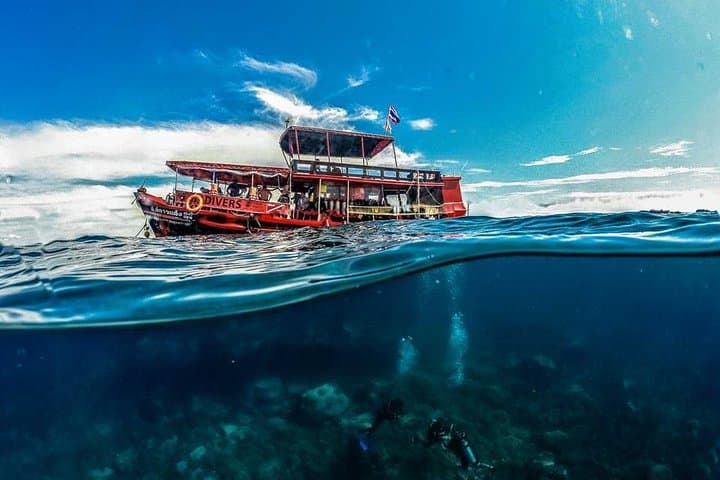
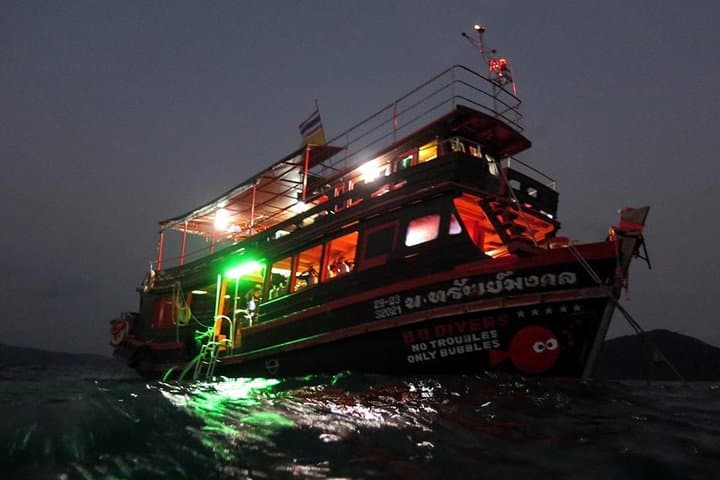
The boat slips away from a low wooden jetty and the island’s fringe of casuarina trees shrinks into a line. Salt and diesel mix with the bright tang of sunscreen as instructors brief the group: two core dives — deep and navigation — plus three specialty training dives chosen from photography, naturalist, peak performance buoyancy, night, search-and-recovery or multilevel.
Verified experiences and guided adventures in the surrounding area.
Operated by bbdivers · Ko Kut (Koh Kood), Trat Province
The boat slips away from a low wooden jetty and the island’s fringe of casuarina trees shrinks into a line. Salt and diesel mix with the bright tang of sunscreen as instructors brief the group: two core dives — deep and navigation — plus three specialty training dives chosen from photography, naturalist, peak performance buoyancy, night, search-and-recovery or multilevel.
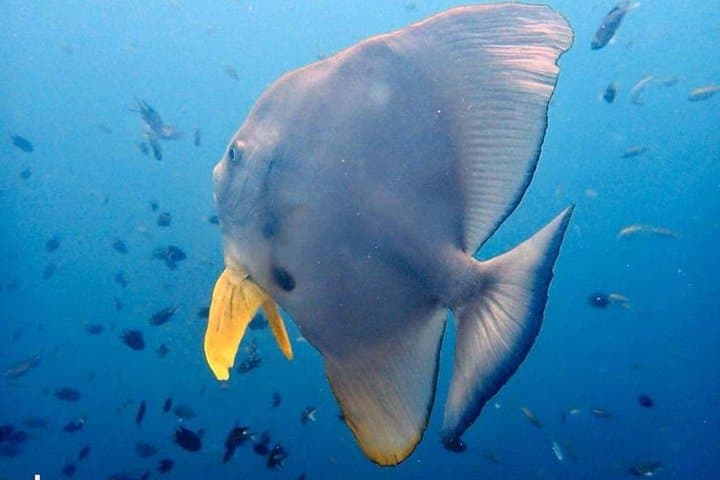
Koh Kood (Ko Kut) sits at the eastern edge of the Gulf of Thailand, where Quaternary coral platforms drop into deeper channels. The islands’ sheltered bays and channels have been fished and plied by seafarers from Trat for generations; reefs here retain healthy hard corals and a scattering of bommies that attract reef fish and turtles.
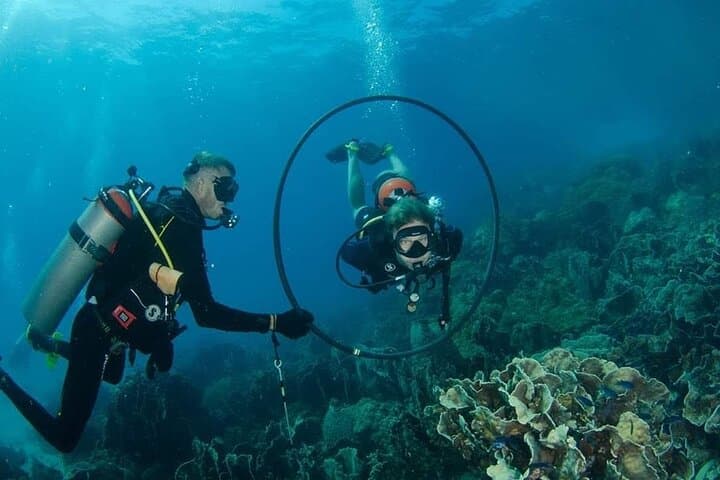
Expect warm water (26–30°C) and visibility that varies with season and currents: the best days offer 10–20 m clarity, while intermittent runoff after storms reduces it. The course runs over two to three days and combines classroom briefings, confined-water skills and five open-water training dives; one additional fun dive is often offered. Instructors focus on practical control — buoyancy and trim — and real-world navigation skills that make deeper dives comfortable and safer.
Plan for early mornings when seas are calm, hydrate between dives, and keep a surface interval schedule to avoid decompression issues. Bring a well-fitting mask and surface marker buoy if you have one; rental gear is available but fit matters. This is a sensible next step for certified open-water divers who want to extend depth limits, sharpen skills, and return to shore confident in currents and buoyancy management.
moderate.
2–3 days.
Participants should be comfortable swimming, able to carry basic dive gear and tolerate repeated surface intervals; moderate aerobic fitness recommended.
Yes — participants must hold a PADI Open Water Diver certificate or equivalent from another agency before enrolling.
The PADI Advanced course deep dive typically goes to 30 metres (100 feet), the recreational training limit for this certification.
Basic rental gear is usually available but policies vary; bring personal mask/fins for best fit and comfort.
Yes — besides the two core dives (deep and navigation), you can normally choose three specialties from a menu that often includes night, photography, or peak performance buoyancy.
Koh Kood has long been a fishing and coconut-producing outpost of Trat province; its reefs have supported local livelihoods and small-scale fisheries for generations.
Operators emphasize low-impact diving: avoid contact with corals, use reef-safe sunscreen and follow briefings to minimize anchor and fin-contact damage.
bbdivers operates guided outdoor trips and adventures with an emphasis on safety, stewardship, and memorable experiences.
The boat slips away from a low wooden jetty and the island’s fringe of casuarina trees shrinks into a line. Salt and diesel mix with the bright tang of sunscreen as instructors brief the group: two core dives — deep and navigation — plus three specialty training dives chosen from photography, naturalist, peak performance buoyancy, night, search-and-recovery or multilevel.
The boat slips away from a low wooden jetty and the island’s fringe of casuarina trees shrinks into a line. Salt and diesel mix with the bright tang of sunscreen as instructors brief the group: two core dives — deep and navigation — plus three specialty training dives chosen from photography, naturalist, peak performance buoyancy, night, search-and-recovery or multilevel.
Koh Kood (Ko Kut) sits at the eastern edge of the Gulf of Thailand, where Quaternary coral platforms drop into deeper channels. The islands’ sheltered bays and channels have been fished and plied by seafarers from Trat for generations; reefs here retain healthy hard corals and a scattering of bommies that attract reef fish and turtles.
Expect warm water (26–30°C) and visibility that varies with season and currents: the best days offer 10–20 m clarity, while intermittent runoff after storms reduces it. The course runs over two to three days and combines classroom briefings, confined-water skills and five open-water training dives; one additional fun dive is often offered. Instructors focus on practical control — buoyancy and trim — and real-world navigation skills that make deeper dives comfortable and safer.
Plan for early mornings when seas are calm, hydrate between dives, and keep a surface interval schedule to avoid decompression issues. Bring a well-fitting mask and surface marker buoy if you have one; rental gear is available but fit matters. This is a sensible next step for certified open-water divers who want to extend depth limits, sharpen skills, and return to shore confident in currents and buoyancy management.