THE ADVENTURE COLLECTIVE® · Independent discovery and booking for outdoor travel

Sharpen your scuba skills on Koh Tao with a two‑day PADI Advanced Open Water course that includes five open‑water dives and one night’s accommodation on the island. Learn deep and navigation specialties while staying close to Mae Haad pier.
Sharpen your scuba skills on Koh Tao with a two‑day PADI Advanced Open Water course that includes five open‑water dives and one night’s accommodation on the island. Learn deep and navigation specialties while staying close to Mae Haad pier.
Dawn light strips across the Gulf of Thailand as the ferry shears toward Koh Tao, reef-shadowed water daring you to look deeper. You step off at Mae Haad pier, salt still on your lips, and within hours you’re clipped into a BCD and slipping past bommies where parrotfish and surgeonfish thread the coral.
Verified experiences and guided adventures in the surrounding area.
Operated by PADI 5 Star IDC Dive Centre "Scuba Birds" · Mae Haad, Surat Thani
Dawn light strips across the Gulf of Thailand as the ferry shears toward Koh Tao, reef-shadowed water daring you to look deeper. You step off at Mae Haad pier, salt still on your lips, and within hours you’re clipped into a BCD and slipping past bommies where parrotfish and surgeonfish thread the coral.
Koh Tao’s reputation as Thailand’s dive school island grew from a hardy mix of fishing villages and backdoor ship repair in the 20th century; by the 1990s budget dive travel transformed the island into a global training hub. Geologically the island is granite and limestone pushed up from ancient seabeds, and its shallow reefs and protected bays make reliable training sites for navigation and deep specialty dives.
Locally, dive culture is communal: small operators, evening theory sessions in guesthouses near Mae Haad, and boat crews who know the tidal rhythms. Expect talk of seasonal currents and the best moorings rather than flashy marketing.
Practical guidance: the PADI Advanced course here combines two mandatory dives (Deep to 30 m and Underwater Navigation) with three chosen specialties across two days—typically two dives on day one and three on day two. Accommodation for the included night is basic fan rooms or bungalows near the pier; bring lightweight, quick-dry clothing and a small dry bag. Hydrate before and between dives, log briefings carefully, and use a dive computer or watch for bottom time management. If you’re prone to seasickness, take measures before the short ferry and speed-boat transfers. Plan for early starts: ferry departure to Koh Tao typically leaves around 8:00 a.m., returning late afternoon the second day. With competent instructors and five open-water dives, you’ll leave with deeper skills, better navigation, and a clearer sense of Thailand’s underwater neighborhoods.
moderate.
2 days.
Comfortable swimming ability and basic cardiovascular health; lifting tanks and multiple dives require moderate stamina
You must hold a PADI Open Water Diver or equivalent certification and be comfortable in the water; medical clearance may be required for certain conditions.
The Advanced Open Water certification expands your depth limit to 30 meters (100 feet) for recreational diving.
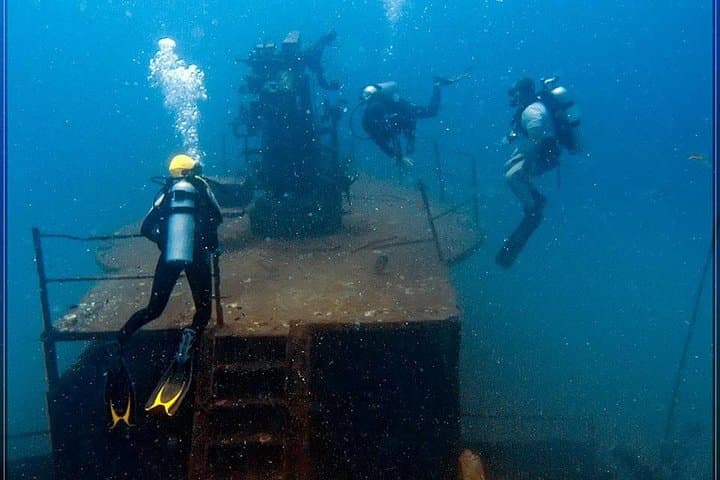
Five open‑water dives are included: Deep and Underwater Navigation are mandatory; you choose three others from options like Nitrox, Wreck, Night, or Peak Performance Buoyancy.
Yes—hotel pickup/return on Koh Samui, ferry transfers to Koh Tao, boat dives, and one night’s basic accommodation near Mae Haad are included.
Koh Tao shifted from a small fishing and repair outpost to a global dive training hub in the 1990s, driven by affordable courses and consistent reef sites.
Operators often use moorings to avoid anchors and promote reef‑safe sunscreen and responsible buoyancy to limit coral contact.
PADI 5 Star IDC Dive Centre "Scuba Birds" operates guided outdoor trips and adventures with an emphasis on safety, stewardship, and memorable experiences.
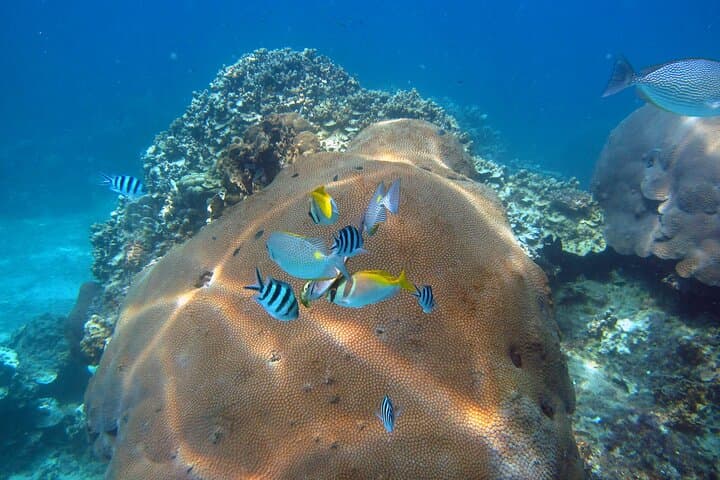
Dawn light strips across the Gulf of Thailand as the ferry shears toward Koh Tao, reef-shadowed water daring you to look deeper. You step off at Mae Haad pier, salt still on your lips, and within hours you’re clipped into a BCD and slipping past bommies where parrotfish and surgeonfish thread the coral.
Dawn light strips across the Gulf of Thailand as the ferry shears toward Koh Tao, reef-shadowed water daring you to look deeper. You step off at Mae Haad pier, salt still on your lips, and within hours you’re clipped into a BCD and slipping past bommies where parrotfish and surgeonfish thread the coral.
Koh Tao’s reputation as Thailand’s dive school island grew from a hardy mix of fishing villages and backdoor ship repair in the 20th century; by the 1990s budget dive travel transformed the island into a global training hub. Geologically the island is granite and limestone pushed up from ancient seabeds, and its shallow reefs and protected bays make reliable training sites for navigation and deep specialty dives.
Locally, dive culture is communal: small operators, evening theory sessions in guesthouses near Mae Haad, and boat crews who know the tidal rhythms. Expect talk of seasonal currents and the best moorings rather than flashy marketing.
Practical guidance: the PADI Advanced course here combines two mandatory dives (Deep to 30 m and Underwater Navigation) with three chosen specialties across two days—typically two dives on day one and three on day two. Accommodation for the included night is basic fan rooms or bungalows near the pier; bring lightweight, quick-dry clothing and a small dry bag. Hydrate before and between dives, log briefings carefully, and use a dive computer or watch for bottom time management. If you’re prone to seasickness, take measures before the short ferry and speed-boat transfers. Plan for early starts: ferry departure to Koh Tao typically leaves around 8:00 a.m., returning late afternoon the second day. With competent instructors and five open-water dives, you’ll leave with deeper skills, better navigation, and a clearer sense of Thailand’s underwater neighborhoods.