THE ADVENTURE COLLECTIVE® · Independent discovery and booking for outdoor travel

Two intensive days of guided dives off Phi Phi Don teach deep, navigation and night-diving skills while prioritizing safety and reef care. Expect guided boat transfers, skill drills to 30 m, and elective options like Shark Conservation or Underwater Filming.
Two intensive days of guided dives off Phi Phi Don teach deep, navigation and night-diving skills while prioritizing safety and reef care. Expect guided boat transfers, skill drills to 30 m, and elective options like Shark Conservation or Underwater Filming.
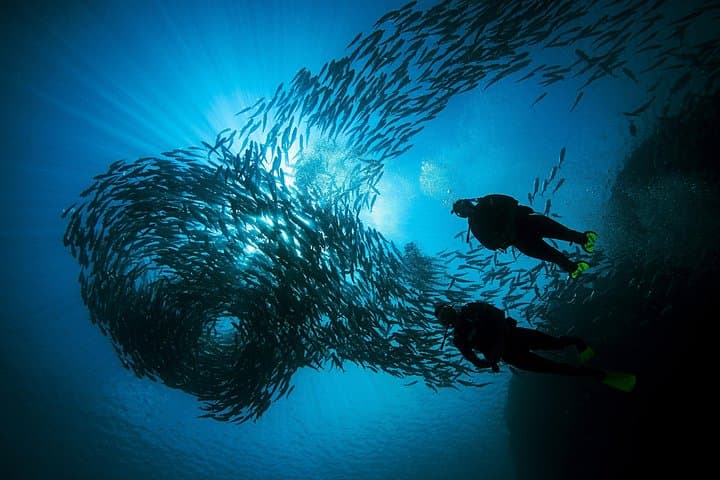
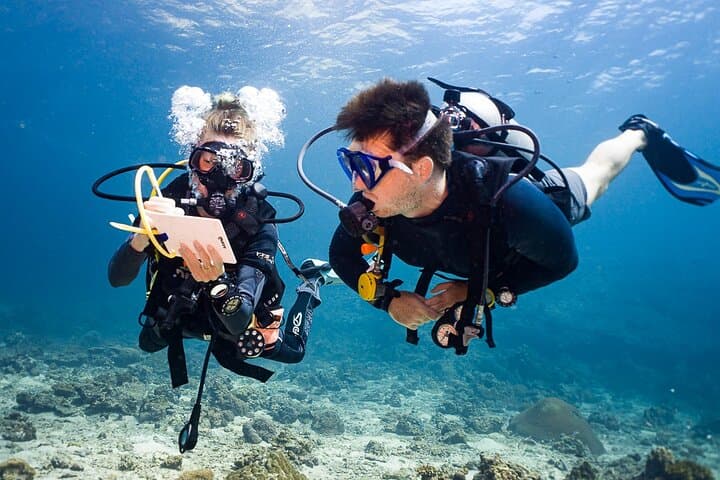
Wet air fills the morning as a longtail slides away from Tonsai Pier and the limestone cliffs of Phi Phi Don fall behind. Salt on your lips, a tank clicking into place and an instructor’s calm briefing—this is where recreational diving steps up. Over two full days divers move from confident open-water diver to practiced advanced buddy, practicing deep and navigation dives by day and a phosphorescent night dive beneath the stars.
Verified experiences and guided adventures in the surrounding area.
Operated by Blue View Divers · Phi Phi Don, Krabi Province
Wet air fills the morning as a longtail slides away from Tonsai Pier and the limestone cliffs of Phi Phi Don fall behind. Salt on your lips, a tank clicking into place and an instructor’s calm briefing—this is where recreational diving steps up. Over two full days divers move from confident open-water diver to practiced advanced buddy, practicing deep and navigation dives by day and a phosphorescent night dive beneath the stars.
Phi Phi’s islands are young in geological terms: towering carbonate cliffs and laminated reefs carved by sea and tectonics. The local dive culture blends long-running operators with conservation-minded programs—expect instructors who teach reef-friendly buoyancy and offer electives like Dive Against Debris or Shark Conservation. Historically a fishing and boat-traffic hub, these waters now balance tourism with marine protection efforts.
Practical guidance is central: bring a recent logbook (logged dives within a year are required unless you take a refresher), arrive early for a pre-course eLearning check, and plan on two full sea days with multiple dives to 30 m, navigation exercises, and a night dive. Visibility and currents vary—skill with a dive computer and calm, efficient buoyancy control make the day smoother. Hydrate, rest, and avoid alcohol the evening before deep dives. By course end participants walk away with PADI Advanced certification, improved orientation, and elective-focused experience that deepens appreciation for Phi Phi’s living reef.
moderate.
2 days (two full sea days, approx. 8–10 hours/day).
Moderate fitness required: comfortable swimming, carrying kit, and managing repeated surface intervals.
Yes—you must hold an Open Water certification and have logged dives within the last year, or complete a refresher prior to the course.
The deep dive on Day 2 is planned to a maximum depth of 30 metres, consistent with PADI Advanced standards.
Price typically covers PADI eLearning/Course fees, use of SCUBA equipment, lunches, dive computer rental, and basic insurance; check operator details for specifics.
Participants should be free of significant heart, spinal problems, asthma, or pregnancy; a pre-dive medical check is required and travel insurance is recommended.
Phi Phi’s islands are part of a karst archipelago historically used by local fishers; tourism grew after the 1990s and the marine area now supports organized dive operations.
Local centers run reef-awareness programs and electives like Dive Against Debris; divers are asked to practice neutral buoyancy and avoid touching corals to reduce impact.
Blue View Divers operates guided outdoor trips and adventures with an emphasis on safety, stewardship, and memorable experiences.


Wet air fills the morning as a longtail slides away from Tonsai Pier and the limestone cliffs of Phi Phi Don fall behind. Salt on your lips, a tank clicking into place and an instructor’s calm briefing—this is where recreational diving steps up. Over two full days divers move from confident open-water diver to practiced advanced buddy, practicing deep and navigation dives by day and a phosphorescent night dive beneath the stars.
Wet air fills the morning as a longtail slides away from Tonsai Pier and the limestone cliffs of Phi Phi Don fall behind. Salt on your lips, a tank clicking into place and an instructor’s calm briefing—this is where recreational diving steps up. Over two full days divers move from confident open-water diver to practiced advanced buddy, practicing deep and navigation dives by day and a phosphorescent night dive beneath the stars.
Phi Phi’s islands are young in geological terms: towering carbonate cliffs and laminated reefs carved by sea and tectonics. The local dive culture blends long-running operators with conservation-minded programs—expect instructors who teach reef-friendly buoyancy and offer electives like Dive Against Debris or Shark Conservation. Historically a fishing and boat-traffic hub, these waters now balance tourism with marine protection efforts.
Practical guidance is central: bring a recent logbook (logged dives within a year are required unless you take a refresher), arrive early for a pre-course eLearning check, and plan on two full sea days with multiple dives to 30 m, navigation exercises, and a night dive. Visibility and currents vary—skill with a dive computer and calm, efficient buoyancy control make the day smoother. Hydrate, rest, and avoid alcohol the evening before deep dives. By course end participants walk away with PADI Advanced certification, improved orientation, and elective-focused experience that deepens appreciation for Phi Phi’s living reef.