THE ADVENTURE COLLECTIVE® · Independent discovery and booking for outdoor travel

Spend a day drifting the Upper Zambezi above Victoria Falls in a guided inflatable canoe—quiet channels, hippo pods and eagle sightings await. This six‑hour canoe safari offers wildlife viewing and local ecological insights with transfers and refreshments included.
Spend a day drifting the Upper Zambezi above Victoria Falls in a guided inflatable canoe—quiet channels, hippo pods and eagle sightings await. This six‑hour canoe safari offers wildlife viewing and local ecological insights with transfers and refreshments included.
The river wakes you before the town does: a broad, dark ribbon that pushes and cajoles its way past reed-edged channels and low, rocky islands. In an inflatable canoe the current dares you forward—sometimes a languid glide, sometimes a gentle pulse over riffles—while a guide points out the flash of a kingfisher or the telltale swirl where a hippo breathes.
Verified experiences and guided adventures in the surrounding area.
Operated by Victoria Falls Tours & Safaris · Victoria Falls, Matabeleland North
The river wakes you before the town does: a broad, dark ribbon that pushes and cajoles its way past reed-edged channels and low, rocky islands. In an inflatable canoe the current dares you forward—sometimes a languid glide, sometimes a gentle pulse over riffles—while a guide points out the flash of a kingfisher or the telltale swirl where a hippo breathes.
This stretch of the Upper Zambezi runs along the edge of Zambezi National Park, carved from basalt and sandstone as the river has cut toward the dramatic drop of Victoria Falls downstream. Local communities read the river’s moods as a map for fishing and flood cycles; the area’s name, Mosi-oa-Tunya, refers to the mist that the falls cast far below. Geology here produces islands like Kandahar—stone outcrops that split flows and create sheltered channels ideal for wildlife viewing from a low, water-level seat.
Expect a full-day trip (about six hours) in a guided inflatable canoe with return transfers and refreshments included. Wildlife viewing is the draw—hippo pods, crocodile sunning, buffalo browsing and eagles patrolling—and good optics help. Plan for sun, reflective water and morning chill: wear quick-dry layers, a hat, reef-safe sunscreen and secure footwear. Keep distance from hippos and crocodiles, follow your guide’s instructions, and stow cameras in a dry bag. Morning departures offer cooler air and higher wildlife activity; late dry season (Aug–Nov) gives calmer channels and better island-hopping. This is a relaxed, accessible way to read the upper Zambezi’s edge while learning its ecology from guides who know both river and reserve intimately.
easy.
6 hours.
Suitable for most fitness levels; participants should be able to sit and paddle intermittently for several hours and manage short disembarkations.
Yes—guided trips follow strict safety protocols: remain seated in the canoe, never approach wildlife, and follow the guide’s instructions to minimize risk.
The trip is rated easy; paddling is intermittent and guides handle navigation—participants should be comfortable sitting for several hours and entering/exiting the canoe.
Yes; this tour typically includes return transfers and light refreshments, but confirm details at booking and notify operators of pickup points.
Morning departures are best for cooler temperatures and higher wildlife activity, while late dry season offers calmer water and more exposed channels.
The Upper Zambezi corridor has long been a meeting place for riverine communities; European explorers first wrote of the falls in the 19th century while the river’s seasonal floods have shaped local livelihoods for millennia.
Operators work within the Zambezi National Park framework to minimize disturbance—stay on established routes, pack out plastics and use reef-safe products to reduce river pollution.
Victoria Falls Tours & Safaris operates guided outdoor trips and adventures with an emphasis on safety, stewardship, and memorable experiences.
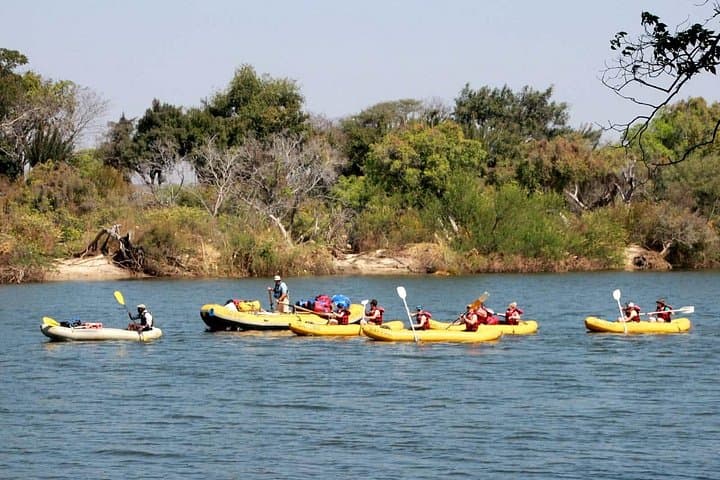
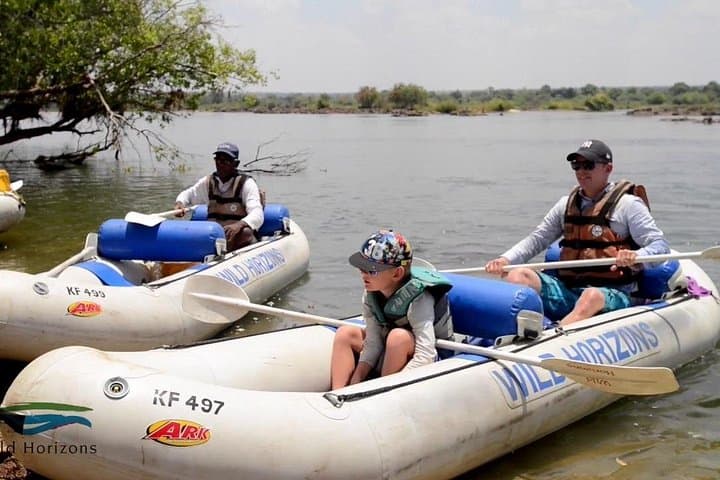
The river wakes you before the town does: a broad, dark ribbon that pushes and cajoles its way past reed-edged channels and low, rocky islands. In an inflatable canoe the current dares you forward—sometimes a languid glide, sometimes a gentle pulse over riffles—while a guide points out the flash of a kingfisher or the telltale swirl where a hippo breathes.
The river wakes you before the town does: a broad, dark ribbon that pushes and cajoles its way past reed-edged channels and low, rocky islands. In an inflatable canoe the current dares you forward—sometimes a languid glide, sometimes a gentle pulse over riffles—while a guide points out the flash of a kingfisher or the telltale swirl where a hippo breathes.
This stretch of the Upper Zambezi runs along the edge of Zambezi National Park, carved from basalt and sandstone as the river has cut toward the dramatic drop of Victoria Falls downstream. Local communities read the river’s moods as a map for fishing and flood cycles; the area’s name, Mosi-oa-Tunya, refers to the mist that the falls cast far below. Geology here produces islands like Kandahar—stone outcrops that split flows and create sheltered channels ideal for wildlife viewing from a low, water-level seat.
Expect a full-day trip (about six hours) in a guided inflatable canoe with return transfers and refreshments included. Wildlife viewing is the draw—hippo pods, crocodile sunning, buffalo browsing and eagles patrolling—and good optics help. Plan for sun, reflective water and morning chill: wear quick-dry layers, a hat, reef-safe sunscreen and secure footwear. Keep distance from hippos and crocodiles, follow your guide’s instructions, and stow cameras in a dry bag. Morning departures offer cooler air and higher wildlife activity; late dry season (Aug–Nov) gives calmer channels and better island-hopping. This is a relaxed, accessible way to read the upper Zambezi’s edge while learning its ecology from guides who know both river and reserve intimately.