THE ADVENTURE COLLECTIVE® · Independent discovery and booking for outdoor travel

Two hours on Summersville Lake offers calm water, sandstone cliffs and a beginner-friendly guided paddle. This practical guide explains what to expect, when to go and how to prepare for a safe, scenic outing.
Two hours on Summersville Lake offers calm water, sandstone cliffs and a beginner-friendly guided paddle. This practical guide explains what to expect, when to go and how to prepare for a safe, scenic outing.
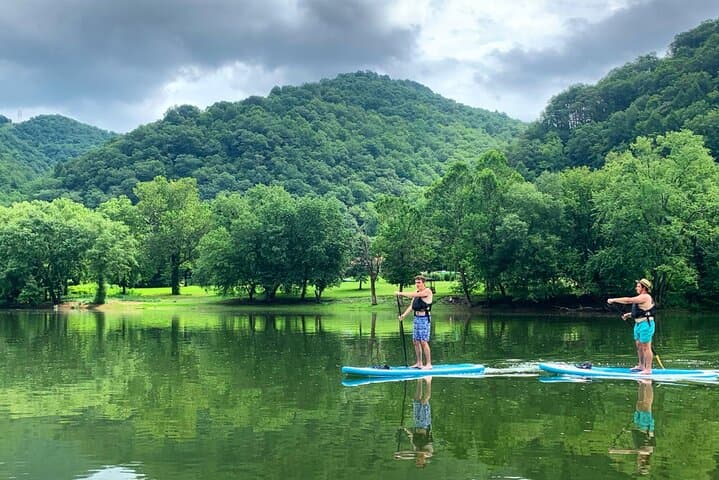
The lake opens before you like a calm blue plate cut into the Appalachians, and the first strokes send ripples that answer the slope of the ridges.
Verified experiences and guided adventures in the surrounding area.
Operated by Mountain Surf Paddle Sports · Summersville, West Virginia
The lake opens before you like a calm blue plate cut into the Appalachians, and the first strokes send ripples that answer the slope of the ridges.
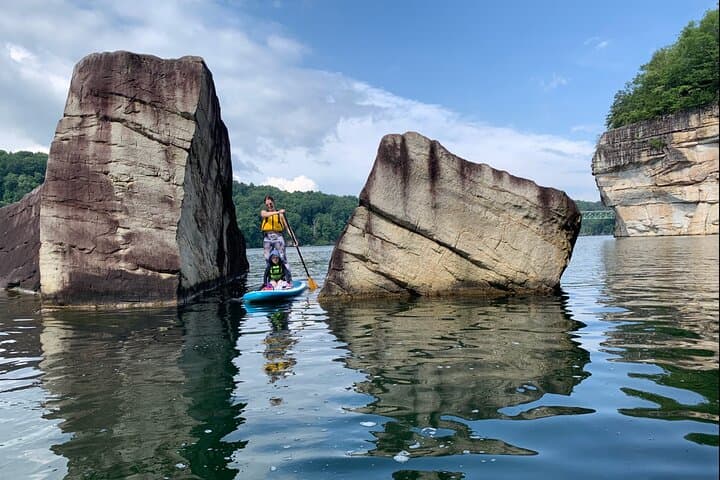
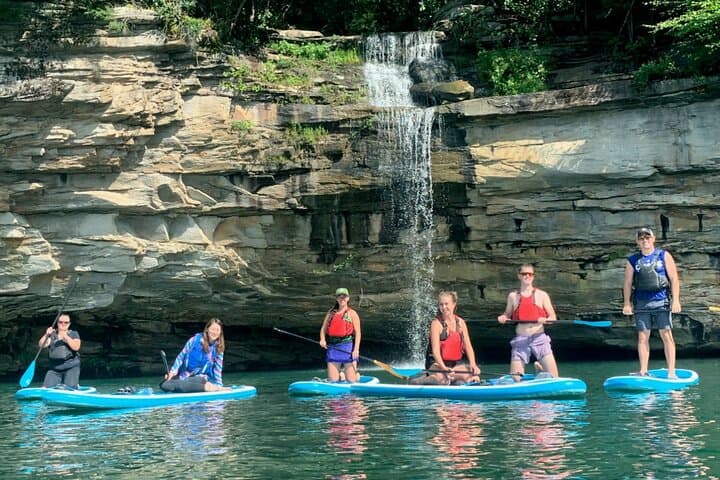
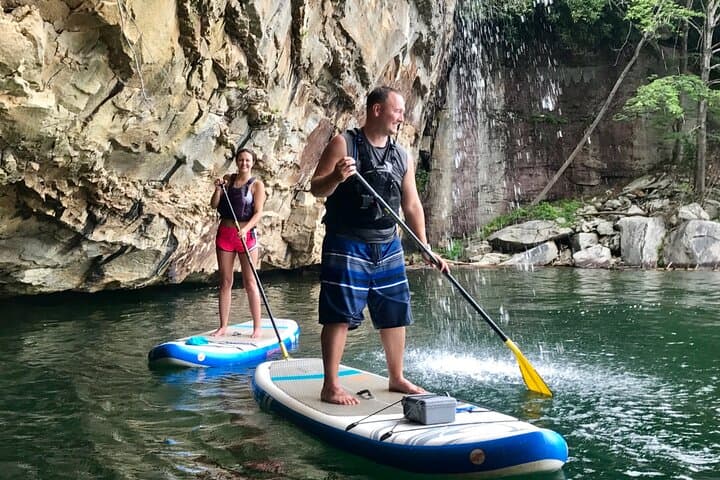
On Summersville Lake you launch from a small public beach and glide between sandstone bluffs and low, forested coves. The water dares you to leave the shore; guides give a short primer, hand over life jackets and paddles, and then the lake’s long, low horizon sets the pace.
Summersville Dam and the reservoir it created in the 1960s reshaped the local landscape, turning a river valley into West Virginia’s largest lake. Geology here is old Allegheny sandstone and shale—cliffs eat the sunlight and drop straight to the water in places, while gentler benches create quiet paddling channels. Local culture mixes small-town hospitality with outdoors-first logistics: outfitters, bait shops and a few classic diners are the pre- and post-paddle routine.
Expect flatwater conditions most days; wind can build in the afternoon. Guided two-hour sessions are beginner-friendly and include instruction, so no prior experience is necessary. Bring waterproof layers and position yourself to stop in a sunny cove for a snack. Hydrate ahead and keep sunscreen close—UV reflects strongly off open water.
Practical tips: meet at the designated launch on time, follow your guide’s safety brief, and treat the lake with Leave No Trace habits. A relaxed two-hour paddle here rewards with cliff reflections, passing herons, and an exercise that’s as much about steady rhythm as it is about scenery.
moderate.
2 hours.
Suitable for beginners but requires basic balance and core endurance for repeated paddling; light to moderate fitness recommended.
No—guided sessions include basic instruction and are designed for first-timers and mixed-ability groups.
Quick-drying layers, a swim suit or synthetic shorts, and water shoes; bring a light wind layer for cooler mornings.
Yes—storms, high wind or unsafe conditions can cancel or reschedule trips; operators typically cancel for adverse weather.
Most outfitters list weight limits; disclose your weight at booking so the operator can allocate appropriate equipment.
Summersville Lake was formed by Summersville Dam, completed in the 1960s by the U.S. Army Corps of Engineers to control floods and provide recreation.
Clean-boat practices help prevent invasive species; follow Leave No Trace rules and dispose of trash and food away from the water.
Mountain Surf Paddle Sports operates guided outdoor trips and adventures with an emphasis on safety, stewardship, and memorable experiences.
The lake opens before you like a calm blue plate cut into the Appalachians, and the first strokes send ripples that answer the slope of the ridges.
The lake opens before you like a calm blue plate cut into the Appalachians, and the first strokes send ripples that answer the slope of the ridges.
On Summersville Lake you launch from a small public beach and glide between sandstone bluffs and low, forested coves. The water dares you to leave the shore; guides give a short primer, hand over life jackets and paddles, and then the lake’s long, low horizon sets the pace.
Summersville Dam and the reservoir it created in the 1960s reshaped the local landscape, turning a river valley into West Virginia’s largest lake. Geology here is old Allegheny sandstone and shale—cliffs eat the sunlight and drop straight to the water in places, while gentler benches create quiet paddling channels. Local culture mixes small-town hospitality with outdoors-first logistics: outfitters, bait shops and a few classic diners are the pre- and post-paddle routine.
Expect flatwater conditions most days; wind can build in the afternoon. Guided two-hour sessions are beginner-friendly and include instruction, so no prior experience is necessary. Bring waterproof layers and position yourself to stop in a sunny cove for a snack. Hydrate ahead and keep sunscreen close—UV reflects strongly off open water.
Practical tips: meet at the designated launch on time, follow your guide’s safety brief, and treat the lake with Leave No Trace habits. A relaxed two-hour paddle here rewards with cliff reflections, passing herons, and an exercise that’s as much about steady rhythm as it is about scenery.