THE ADVENTURE COLLECTIVE® · Independent discovery and booking for outdoor travel

Glide upriver into an off-limits stretch of Akan-Mashu National Park where guides ferry you to the Kushiro River’s quieter headwaters. Expect close bird encounters, calm forest channels, and a paced, two-hour paddle suited to beginner paddlers.
Glide upriver into an off-limits stretch of Akan-Mashu National Park where guides ferry you to the Kushiro River’s quieter headwaters. Expect close bird encounters, calm forest channels, and a paced, two-hour paddle suited to beginner paddlers.
Dawn lifts a silver sheet off the Kushiro’s upper reaches and your canoe slips forward like a quiet thought. The guide eases you into soft water, and the forest closes around the channel—alder roots, mossy banks, and the sharp click of a woodpecker inspecting the day. Kingfishers streak like bright knives; every landing is an invitation to slow down.
Verified experiences and guided adventures in the surrounding area.
Operated by TRAPOL · Kushiro, Hokkaido
Dawn lifts a silver sheet off the Kushiro’s upper reaches and your canoe slips forward like a quiet thought. The guide eases you into soft water, and the forest closes around the channel—alder roots, mossy banks, and the sharp click of a woodpecker inspecting the day. Kingfishers streak like bright knives; every landing is an invitation to slow down.
This route traces the upper Kushiro River inside Akan-Mashu National Park, a landscape shaped by volcanic calderas and peat-forming wetlands. Geologically young soils and long, cool summers create pockets of untouched riverine forest where Ainu people historically fished and foraged; the water and birds remain central to local culture. The canoe route reaches tributaries and quiet docking points that commercial traffic rarely sees, giving paddlers a rare chance to observe crested kingfishers, woodpeckers, and migratory songbirds from water level.
Practicalities are straightforward: the standard outing is a two-hour guided canoe, small groups, and gentle paddling suited to most fitness levels. Expect calm water with occasional shallow sections; guides handle navigation and safety. Bring binoculars, a waterproof layer, insect repellent, and shoes that can get wet. Early morning trips offer the clearest light and quietest bird activity; wind and rain can close the route, so book with flexible timing. Hydrate, keep camera batteries warm, and follow the guide’s briefing on silent observation to protect nesting birds. This is a measured, intimate way to connect with Hokkaido’s wild upper watershed—nature that nudges you to listen first, then move slowly through it.
easy.
2 hours.
Suitable for most people with basic upper-body mobility; trips are slow-paced and guide-led.
The two-hour guided canoe is rated easy; guides handle navigation and paddling is steady—participants of most fitness levels can take part.
Yes—guides know likely spots for kingfishers and woodpeckers, and early-morning trips increase chances of multiple species sightings.
Tours are subject to cancellation for wind, heavy rain, or unsafe river conditions; operators typically offer refunds or rebookings if canceled within policy windows.
Families with older children comfortable in small boats are usually fine; follow the operator’s age and safety guidelines when booking.
Akan-Mashu sits on volcanic terrain; local Ainu communities long relied on these waters for fish and seasonal resources, and place names still reflect that heritage.
The area’s peatlands store carbon and support specialized birds; visitors are asked to minimize noise and avoid disturbing bankside vegetation to protect nesting sites.
TRAPOL operates guided outdoor trips and adventures with an emphasis on safety, stewardship, and memorable experiences.
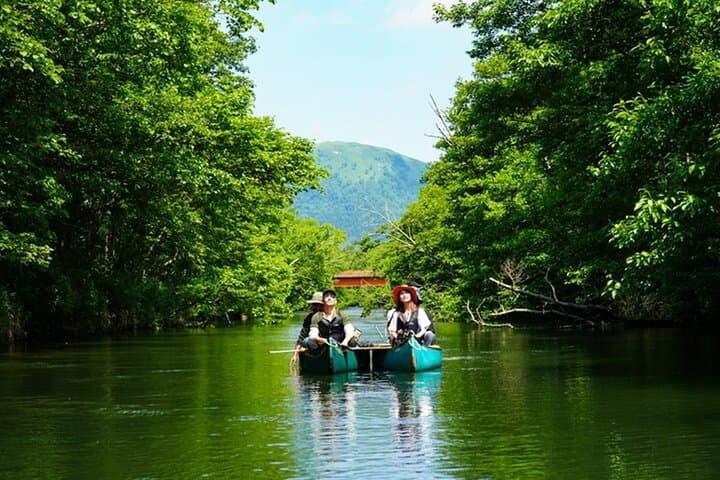
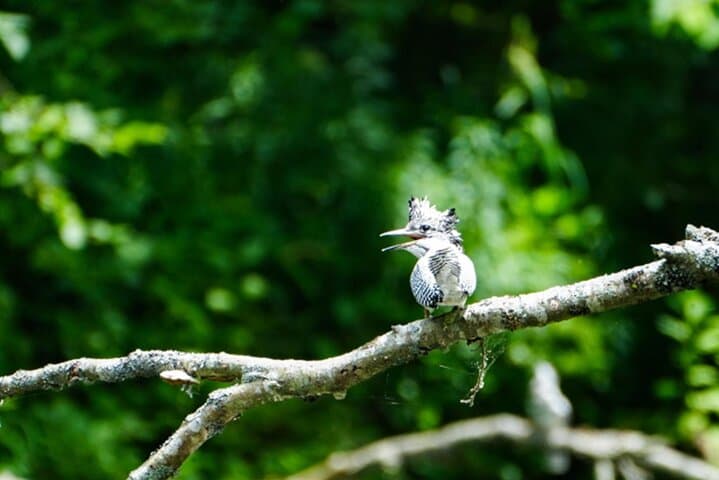
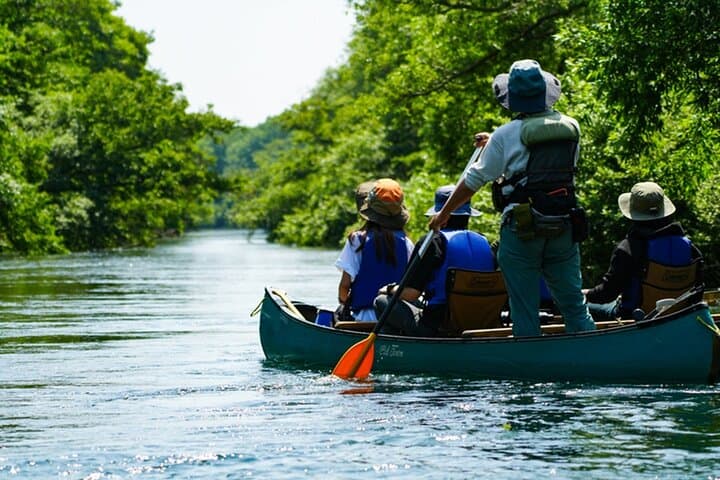
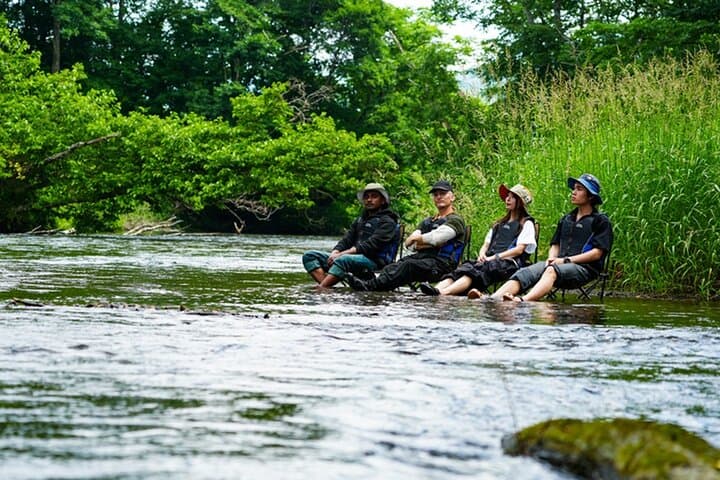
Dawn lifts a silver sheet off the Kushiro’s upper reaches and your canoe slips forward like a quiet thought. The guide eases you into soft water, and the forest closes around the channel—alder roots, mossy banks, and the sharp click of a woodpecker inspecting the day. Kingfishers streak like bright knives; every landing is an invitation to slow down.
Dawn lifts a silver sheet off the Kushiro’s upper reaches and your canoe slips forward like a quiet thought. The guide eases you into soft water, and the forest closes around the channel—alder roots, mossy banks, and the sharp click of a woodpecker inspecting the day. Kingfishers streak like bright knives; every landing is an invitation to slow down.
This route traces the upper Kushiro River inside Akan-Mashu National Park, a landscape shaped by volcanic calderas and peat-forming wetlands. Geologically young soils and long, cool summers create pockets of untouched riverine forest where Ainu people historically fished and foraged; the water and birds remain central to local culture. The canoe route reaches tributaries and quiet docking points that commercial traffic rarely sees, giving paddlers a rare chance to observe crested kingfishers, woodpeckers, and migratory songbirds from water level.
Practicalities are straightforward: the standard outing is a two-hour guided canoe, small groups, and gentle paddling suited to most fitness levels. Expect calm water with occasional shallow sections; guides handle navigation and safety. Bring binoculars, a waterproof layer, insect repellent, and shoes that can get wet. Early morning trips offer the clearest light and quietest bird activity; wind and rain can close the route, so book with flexible timing. Hydrate, keep camera batteries warm, and follow the guide’s briefing on silent observation to protect nesting birds. This is a measured, intimate way to connect with Hokkaido’s wild upper watershed—nature that nudges you to listen first, then move slowly through it.