THE ADVENTURE COLLECTIVE® · Independent discovery and booking for outdoor travel

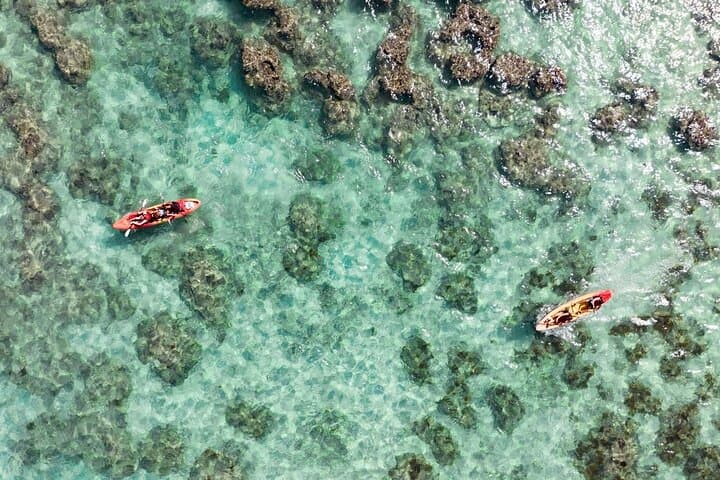
Paddle from Kailua Beach to the Mokulua twin islands on a guided 3–5 hour tour. Expect clear water, tide pools, and close wildlife encounters while your guide handles permits and route planning.
Paddle from Kailua Beach to the Mokulua twin islands on a guided 3–5 hour tour. Expect clear water, tide pools, and close wildlife encounters while your guide handles permits and route planning.
You push from the sand at Kailua, paddle blades cutting the glassy bay as the wind sketches whitecaps on the horizon. The two offshore islets—Moku Nui and Moku Iki—grow larger with each stroke. Guides call out bird IDs and point to the dark curve of a turtle carapace beneath the surface; the ocean here feels both generous and exacting.
Verified experiences and guided adventures in the surrounding area.
Operated by Active Oahu Tours · Kailua, Hawaii
You push from the sand at Kailua, paddle blades cutting the glassy bay as the wind sketches whitecaps on the horizon. The two offshore islets—Moku Nui and Moku Iki—grow larger with each stroke. Guides call out bird IDs and point to the dark curve of a turtle carapace beneath the surface; the ocean here feels both generous and exacting.
Geologically these islets are erosional remnants on Oʻahu’s windward shelf, their cliffs and tide pools shaped by Pacific swell and coral growth. Culturally they’re known as the Mokulua—“the two islands”—and one, Moku Nui, is managed as a seabird sanctuary, so landings are regulated to protect nesting species. Local guides weave these facts into the trip while explaining permit rules and traditional place names.
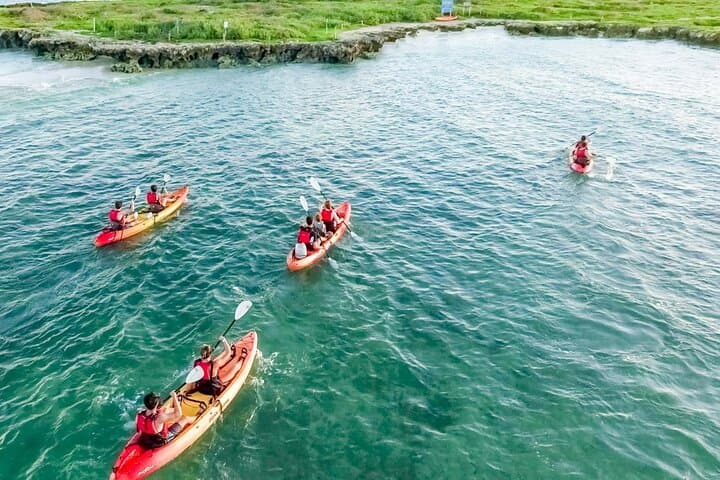
On this 3–5 hour guided route expect easy open-ocean paddling between sheltered sections of Kailua Bay and the islands, intermittent surf when crossing channels, and opportunities to beach, explore tide pools, and snorkel from shore. Wildlife sightings commonly include green sea turtles and seabirds; monk seals occasionally haul out, so distancing and quiet are necessary.
Practicalities: arrive hydrated, wear reef-safe sunscreen, and time your outing for morning slack winds if you prefer calmer crossings. Guides supply kayaks, dry bags and instruction; a moderate fitness level and basic paddling comfort make the tour most enjoyable. Respect restricted zones, follow your guide’s safety briefing, and leave no trace—this stretch of coast rewards careful visitors with clear water, close wildlife encounters, and an unhurried stretch of Pacific horizon.
moderate.
3–5 hours.
Moderately fit: able to paddle continuously for several miles and handle short wind or chop; suitable for active teens and adults.
No advanced skills required—guides provide instruction; however you should be comfortable paddling for several miles and entering/exiting a sit-on-top kayak.
Guides commonly land on Moku Nui (permit required); Moku Iki is a protected sanctuary with stricter restrictions—your guide will explain permitted landing areas.
Swimwear or quick-dry layers, reef-safe sunscreen, water shoes, a hat, sunglasses with retention strap, and a 1–2 L water bottle; guides supply kayaks, PFDs, and dry bags.
Maintain distance—at least 50 feet from monk seals when hauled out and avoid circling turtles; always follow guide direction to minimize disturbance.
The Mokulua pair are traditional Hawaiian place sites—Moku Nui and Moku Iki reflect local naming and have long been used for fishing and bird harvesting under customary practices.
Moku Nui includes seabird nesting habitat and managed access; visitors must follow permits, keep distance from wildlife, and use reef-safe products to protect corals.
Active Oahu Tours operates guided outdoor trips and adventures with an emphasis on safety, stewardship, and memorable experiences.
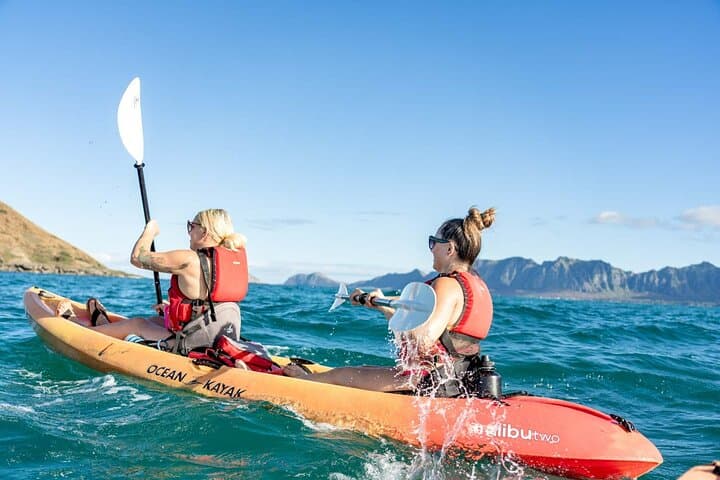
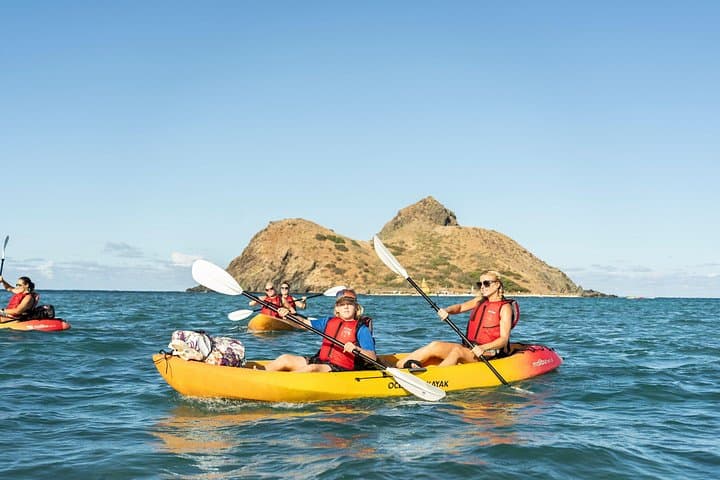
You push from the sand at Kailua, paddle blades cutting the glassy bay as the wind sketches whitecaps on the horizon. The two offshore islets—Moku Nui and Moku Iki—grow larger with each stroke. Guides call out bird IDs and point to the dark curve of a turtle carapace beneath the surface; the ocean here feels both generous and exacting.
You push from the sand at Kailua, paddle blades cutting the glassy bay as the wind sketches whitecaps on the horizon. The two offshore islets—Moku Nui and Moku Iki—grow larger with each stroke. Guides call out bird IDs and point to the dark curve of a turtle carapace beneath the surface; the ocean here feels both generous and exacting.
Geologically these islets are erosional remnants on Oʻahu’s windward shelf, their cliffs and tide pools shaped by Pacific swell and coral growth. Culturally they’re known as the Mokulua—“the two islands”—and one, Moku Nui, is managed as a seabird sanctuary, so landings are regulated to protect nesting species. Local guides weave these facts into the trip while explaining permit rules and traditional place names.
On this 3–5 hour guided route expect easy open-ocean paddling between sheltered sections of Kailua Bay and the islands, intermittent surf when crossing channels, and opportunities to beach, explore tide pools, and snorkel from shore. Wildlife sightings commonly include green sea turtles and seabirds; monk seals occasionally haul out, so distancing and quiet are necessary.
Practicalities: arrive hydrated, wear reef-safe sunscreen, and time your outing for morning slack winds if you prefer calmer crossings. Guides supply kayaks, dry bags and instruction; a moderate fitness level and basic paddling comfort make the tour most enjoyable. Respect restricted zones, follow your guide’s safety briefing, and leave no trace—this stretch of coast rewards careful visitors with clear water, close wildlife encounters, and an unhurried stretch of Pacific horizon.