THE ADVENTURE COLLECTIVE® · Independent discovery and booking for outdoor travel

Glide across the calm arms of Boka Kotorska to a small sea cave where fossilized teeth peek from limestone and photographers line their frames. This two-hour SUP tour from Kotor balances easy paddling with geology, history, and a swim break in front of the Cave of Love.
Glide across the calm arms of Boka Kotorska to a small sea cave where fossilized teeth peek from limestone and photographers line their frames. This two-hour SUP tour from Kotor balances easy paddling with geology, history, and a swim break in front of the Cave of Love.
Morning light slices across Boka Kotorska and the bay holds a slow, glassy hush as paddles meet water. On this two-hour SUP tour from Kotor, participants step onto inflatable boards at a local dive center, learn basic stroke and safety, then push off toward a sea cave known locally as the Cave of Love. Limestone cliffs rise from sea level, their pale faces scored by wave action and time; inside the cave visitors can find fossilized remains, including stone-encrusted teeth embedded in the rock, a visible clue to the bay’s deep geological past.
Verified experiences and guided adventures in the surrounding area.
Operated by Diving Center Plaza Ploce · Kotor, Kotor Municipality
Morning light slices across Boka Kotorska and the bay holds a slow, glassy hush as paddles meet water. On this two-hour SUP tour from Kotor, participants step onto inflatable boards at a local dive center, learn basic stroke and safety, then push off toward a sea cave known locally as the Cave of Love. Limestone cliffs rise from sea level, their pale faces scored by wave action and time; inside the cave visitors can find fossilized remains, including stone-encrusted teeth embedded in the rock, a visible clue to the bay’s deep geological past.
The region carries layers of history — Venetian sailors, Ottoman skirmishes, Austro-Hungarian fortifications — all shaped around a flooded fjord-like bay. Geologically, the bay’s karst limestone was sculpted by tectonics and sea-level change, yielding caves and narrow inlets ideal for close-to-shore paddling and photography. Culturally, villages like Perast and Kotor offer church steeples and mariner lore, while local guides point out lesser-seen sea caves and quiet pebble beaches.
Practically, expect calm to moderate conditions, sheltered waters but variable wind; the tour is suitable for beginners and lasts about two hours including briefing, with roughly 1–2 km round-trip paddling and plenty of stops for photos and a swim. Wear water shoes, reef-safe sunscreen, and bring a dry bag for your phone. Check weather and tide forecasts, listen to the guide’s safety briefing, and plan mornings for the calmest water and best light for photography.
easy.
2 hours.
Suitable for beginners and those with light cardio fitness — you should be able to stand and paddle for short periods.
No — the tour includes a safety briefing and basic instruction; it’s designed for beginners.
Participants should be comfortable in the water; life jackets are provided and guides stay close, but basic swimming confidence is recommended.
Bring swimwear, a towel, ID, cash or card if needed, and valuables in a waterproof case; bottled water and snacks are usually supplied.
The dive center is accessible from Kotor’s old town by a short taxi or local bus; public transport options are available nearby.
Boka Kotorska’s towns grew as maritime hubs under Venetian and Austro-Hungarian influence; the karst coastline preserves marine fossils and the traces of ancient shorelines.
Stick to designated launch points, don’t remove fossils or marine life, and use reef-safe sunscreen to protect the bay’s delicate ecosystem.
Diving Center Plaza Ploce operates guided outdoor trips and adventures with an emphasis on safety, stewardship, and memorable experiences.
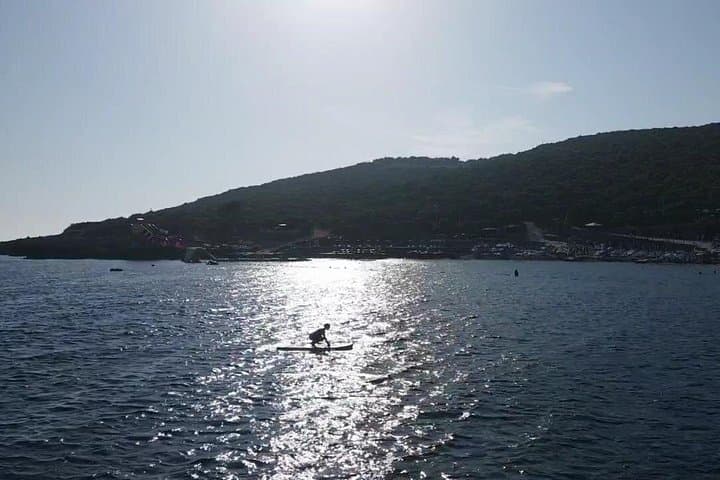
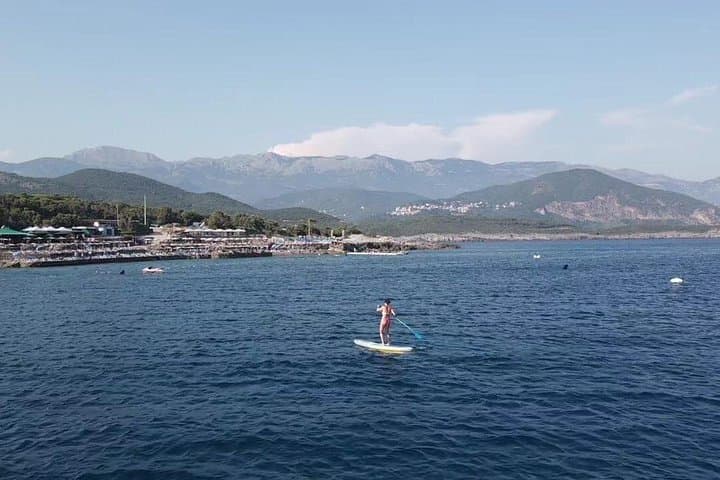
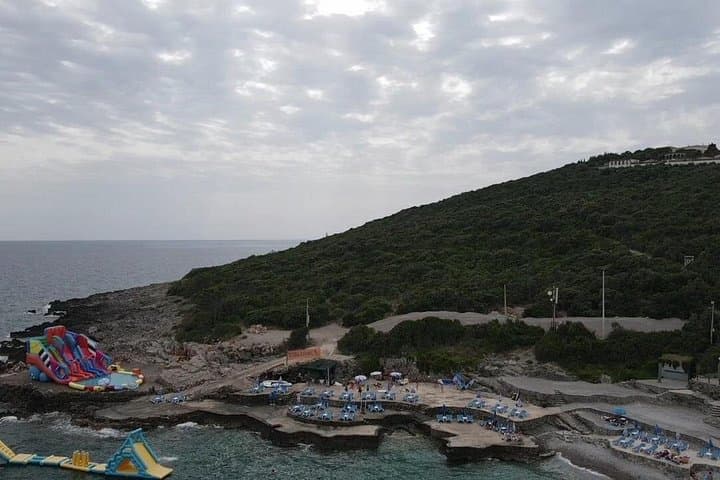
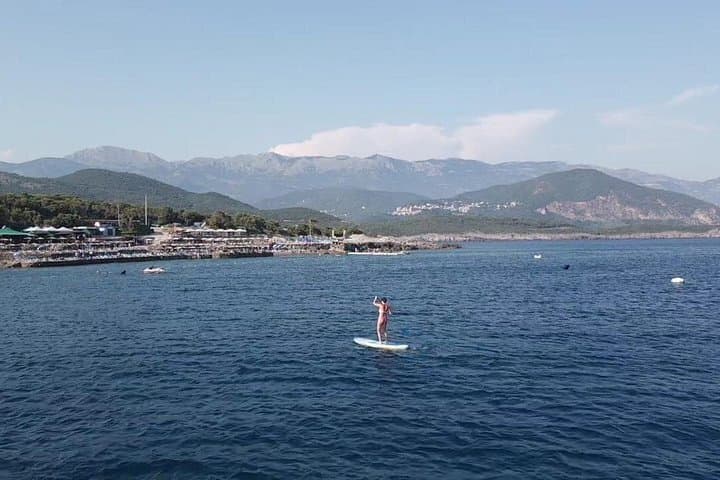
Morning light slices across Boka Kotorska and the bay holds a slow, glassy hush as paddles meet water. On this two-hour SUP tour from Kotor, participants step onto inflatable boards at a local dive center, learn basic stroke and safety, then push off toward a sea cave known locally as the Cave of Love. Limestone cliffs rise from sea level, their pale faces scored by wave action and time; inside the cave visitors can find fossilized remains, including stone-encrusted teeth embedded in the rock, a visible clue to the bay’s deep geological past.
Morning light slices across Boka Kotorska and the bay holds a slow, glassy hush as paddles meet water. On this two-hour SUP tour from Kotor, participants step onto inflatable boards at a local dive center, learn basic stroke and safety, then push off toward a sea cave known locally as the Cave of Love. Limestone cliffs rise from sea level, their pale faces scored by wave action and time; inside the cave visitors can find fossilized remains, including stone-encrusted teeth embedded in the rock, a visible clue to the bay’s deep geological past.
The region carries layers of history — Venetian sailors, Ottoman skirmishes, Austro-Hungarian fortifications — all shaped around a flooded fjord-like bay. Geologically, the bay’s karst limestone was sculpted by tectonics and sea-level change, yielding caves and narrow inlets ideal for close-to-shore paddling and photography. Culturally, villages like Perast and Kotor offer church steeples and mariner lore, while local guides point out lesser-seen sea caves and quiet pebble beaches.
Practically, expect calm to moderate conditions, sheltered waters but variable wind; the tour is suitable for beginners and lasts about two hours including briefing, with roughly 1–2 km round-trip paddling and plenty of stops for photos and a swim. Wear water shoes, reef-safe sunscreen, and bring a dry bag for your phone. Check weather and tide forecasts, listen to the guide’s safety briefing, and plan mornings for the calmest water and best light for photography.