THE ADVENTURE COLLECTIVE® · Independent discovery and booking for outdoor travel

Glide through a sheltered Jeffreys Bay lagoon where calm water, bird colonies and easy shore launches make this an ideal first kayak experience. Morning paddles bring the calmest conditions and the best wildlife sightings.
Glide through a sheltered Jeffreys Bay lagoon where calm water, bird colonies and easy shore launches make this an ideal first kayak experience. Morning paddles bring the calmest conditions and the best wildlife sightings.
You push off from a low, sandy bank and the lagoon takes you in—water nudging the hull, reeds whispering along the margins. The sheltered estuary at Jeffreys Bay is calm enough for first-timers yet lively with birdlife and shifting light that makes each bend feel new.
Verified experiences and guided adventures in the surrounding area.
Operated by All Africa Adventures · Jeffreys Bay, Eastern Cape
You push off from a low, sandy bank and the lagoon takes you in—water nudging the hull, reeds whispering along the margins. The sheltered estuary at Jeffreys Bay is calm enough for first-timers yet lively with birdlife and shifting light that makes each bend feel new.
This stretch of Eastern Cape coastline formed where river meets ocean; sand-filled estuaries and coastal dunes were shaped by longshore drift and seasonal swells. The area has long supported local fishing communities and, more recently, conservation-minded reserve management that balances recreation with habitat protection.
Paddling here is mostly flat-water: expect 2–5 km routes depending on how far upriver you go, with no elevation gain and simple launches from sandy shores. Currents are gentle, but wind can ruffle the surface and turn a short trip into a test of stamina—operators suspend outings in gusty conditions.
Wildlife is a highlight: flamingos, kingfishers and other waterbirds patrol the shallows, and Cape clawless otters are occasionally seen near reed beds. A short hike from the lagoon rim opens ocean views across unpatrolled beaches, rewarding a little legwork with a broad coastal perspective.
Practical note: this is a self-guided excursion with on-site instruction and stable recreational kayaks; life jackets and basic briefing are provided. Morning paddles offer the calmest water and best light for photography. Bring a refillable water bottle, reef-safe sunscreen, a wind layer, and shoes that can get wet. If wind picks up, reschedule—safety and local weather are tightly linked here.
easy.
2 hours.
Suitable for people with basic fitness—able to paddle for short stretches and get in/out of a kayak from a shallow shore.
No — this excursion is beginner-friendly with instructors who provide a safety briefing and basic paddle techniques before you launch.
Trips do not operate in strong wind conditions; the operator will advise and can reschedule or issue a refund based on their policy.
Yes — life jackets are provided and must be worn while on the water for safety.
Children can participate depending on age and comfort; service animals are allowed but check with the operator in advance for specifics.
The Jeffreys Bay estuary has long been a resource for coastal communities and sits alongside dune systems shaped by centuries of wave and wind action.
The lagoon and adjacent reserve are managed to protect bird habitat; visitors should use reef-safe sunscreen and avoid disturbing nesting or feeding areas.
All Africa Adventures operates guided outdoor trips and adventures with an emphasis on safety, stewardship, and memorable experiences.
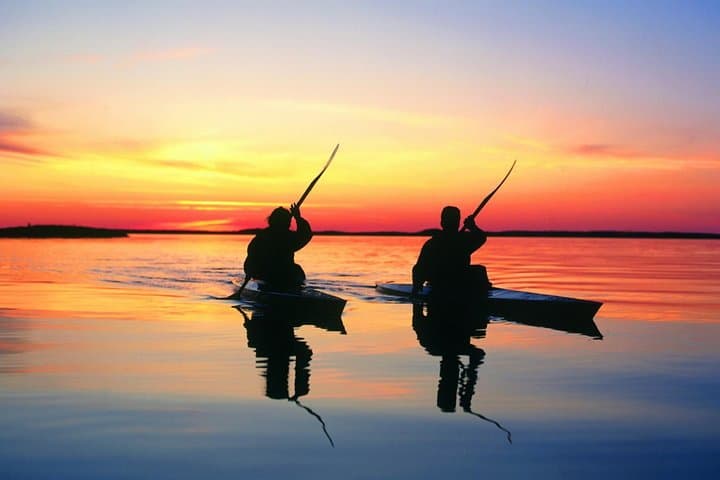
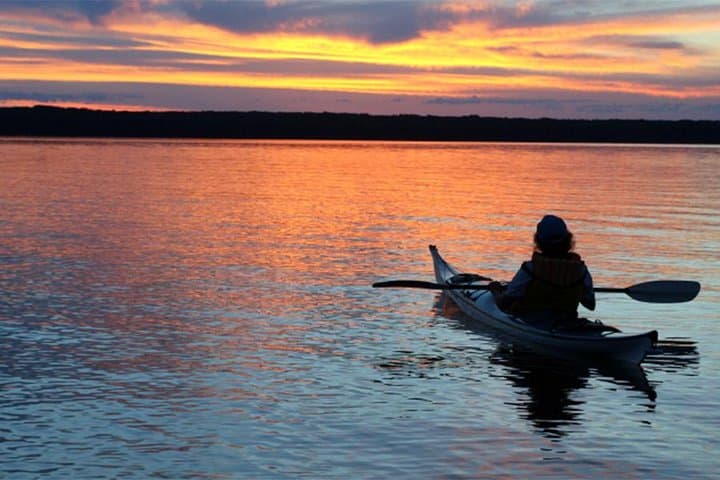
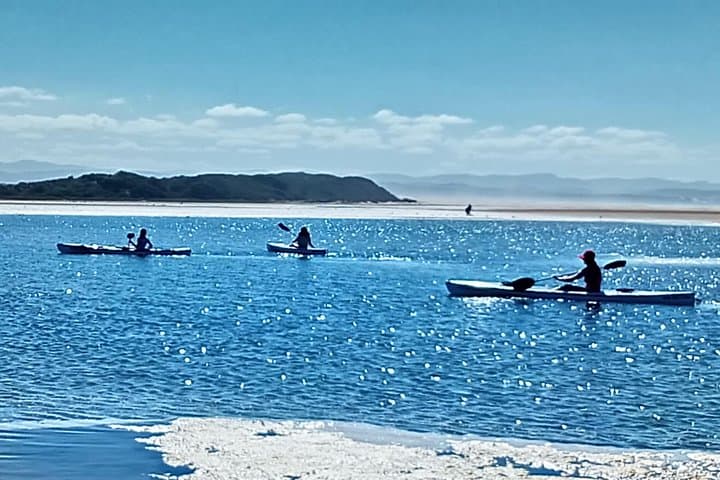
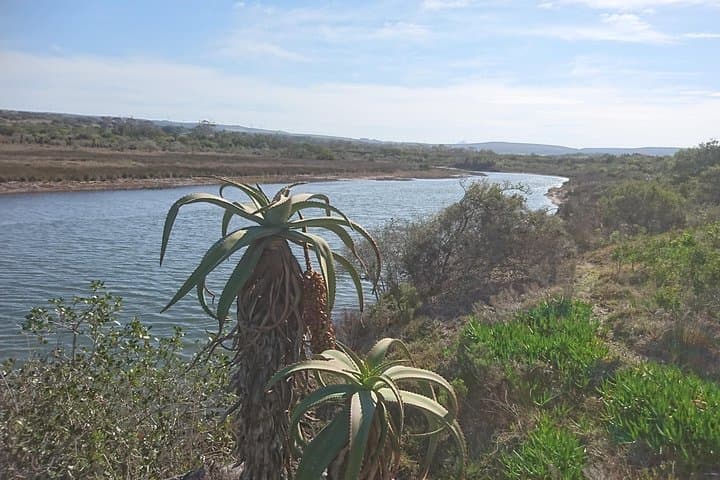
You push off from a low, sandy bank and the lagoon takes you in—water nudging the hull, reeds whispering along the margins. The sheltered estuary at Jeffreys Bay is calm enough for first-timers yet lively with birdlife and shifting light that makes each bend feel new.
You push off from a low, sandy bank and the lagoon takes you in—water nudging the hull, reeds whispering along the margins. The sheltered estuary at Jeffreys Bay is calm enough for first-timers yet lively with birdlife and shifting light that makes each bend feel new.
This stretch of Eastern Cape coastline formed where river meets ocean; sand-filled estuaries and coastal dunes were shaped by longshore drift and seasonal swells. The area has long supported local fishing communities and, more recently, conservation-minded reserve management that balances recreation with habitat protection.
Paddling here is mostly flat-water: expect 2–5 km routes depending on how far upriver you go, with no elevation gain and simple launches from sandy shores. Currents are gentle, but wind can ruffle the surface and turn a short trip into a test of stamina—operators suspend outings in gusty conditions.
Wildlife is a highlight: flamingos, kingfishers and other waterbirds patrol the shallows, and Cape clawless otters are occasionally seen near reed beds. A short hike from the lagoon rim opens ocean views across unpatrolled beaches, rewarding a little legwork with a broad coastal perspective.
Practical note: this is a self-guided excursion with on-site instruction and stable recreational kayaks; life jackets and basic briefing are provided. Morning paddles offer the calmest water and best light for photography. Bring a refillable water bottle, reef-safe sunscreen, a wind layer, and shoes that can get wet. If wind picks up, reschedule—safety and local weather are tightly linked here.