THE ADVENTURE COLLECTIVE® · Independent discovery and booking for outdoor travel

Glide past medieval keeps and sleepy villages on a self-guided canoe or kayak descent of the Dordogne. This easy, scenic float from Bergerac combines accessible paddling with wildlife viewing and historic riverside architecture.
Glide past medieval keeps and sleepy villages on a self-guided canoe or kayak descent of the Dordogne. This easy, scenic float from Bergerac combines accessible paddling with wildlife viewing and historic riverside architecture.
The river opens like a moving map: slow green water, limestone cliffs punctuated by stone keeps, and willows that brush the hull as you glide. On a typical morning from Bergerac the Dordogne invites quiet—paddles whisper, kingfishers flash, and villages with ochre roofs watch from the banks.
Verified experiences and guided adventures in the surrounding area.
Operated by Canoes Butterfly · Bergerac, Nouvelle-Aquitaine
The river opens like a moving map: slow green water, limestone cliffs punctuated by stone keeps, and willows that brush the hull as you glide. On a typical morning from Bergerac the Dordogne invites quiet—paddles whisper, kingfishers flash, and villages with ochre roofs watch from the banks.
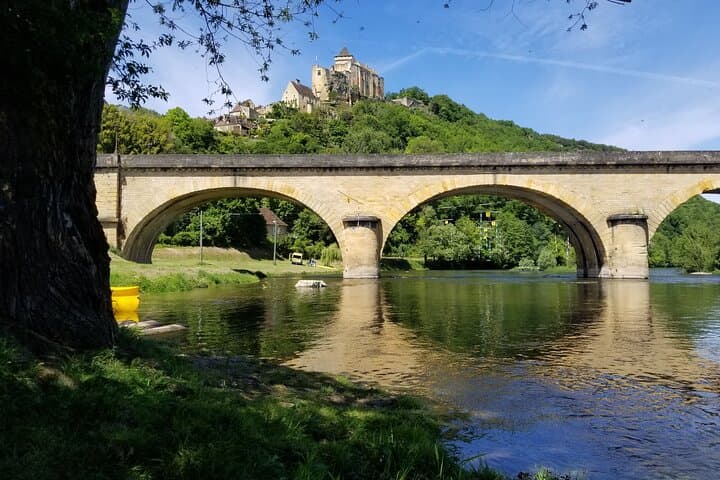
This section of the Dordogne sits in the Black Périgord, a landscape shaped by Jurassic limestones and millennia of human settlement. Medieval castles—built for river control and defense—mark strategic promontories, while small ports and bastide towns tell the region’s trade and agricultural history. The river corridor is a designated biosphere reserve; its braided channels and riparian woods support amphibians, waterfowl, and dense insect life that anglers and naturalists appreciate.
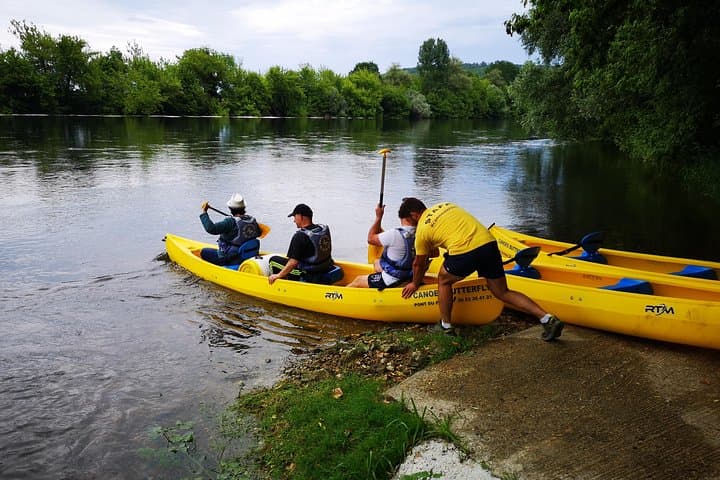
Trips are unstructured: you’ll receive a canoe or kayak, paddles and lifejackets, a paper route guide and a shuttle to the put-in. Typical self-guided distances range from short one-hour floats to full five-hour descents covering roughly 6–15 km depending on current and chosen route. Expect flat water with occasional mild eddies—no technical rapids—making this accessible to novice paddlers but requiring basic boat control and attention to changing water levels.
Practical notes: launch in the cooler hours for better wildlife viewing and calmer wind; wear closed water shoes and bring a dry bag for layers and electronics; hydrate and apply sunscreen. Follow local signage, respect private riverbanks, and carry out any trash—this stretch rewards quiet, steady progress with close-up castle views and small beaches for lunch.
easy.
1–5 hours.
Suitable for walkers and recreational paddlers in general good health; minimal exertion for short descents, moderate stamina needed for longer self-powered trips.
Yes—safety jackets are supplied with every rental and are required for all participants.
No formal experience is required; operators give basic instruction, but you should be comfortable paddling and following simple safety guidance.
Yes—most bookings include a shuttle from the put-in to the take-out or vice versa; confirm exact pick-up points and times when you book.
Children can join if appropriately sized lifejackets are available; check age or weight limits with the operator and supervise closely.
Riverside castles date largely from medieval conflicts over trade and territory; many were sited to control river traffic between the Dordogne basin towns.
The Dordogne is part of a biosphere reserve—follow leave-no-trace principles, avoid disturbing nesting sites, and use marked access points to reduce bank erosion.
Canoes Butterfly operates guided outdoor trips and adventures with an emphasis on safety, stewardship, and memorable experiences.
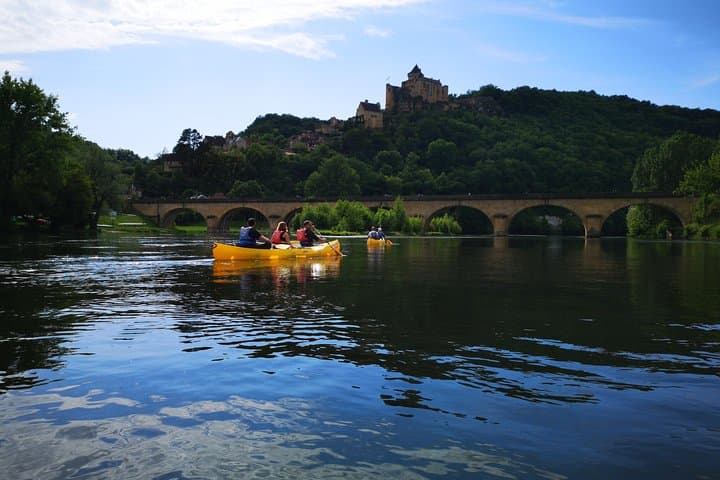
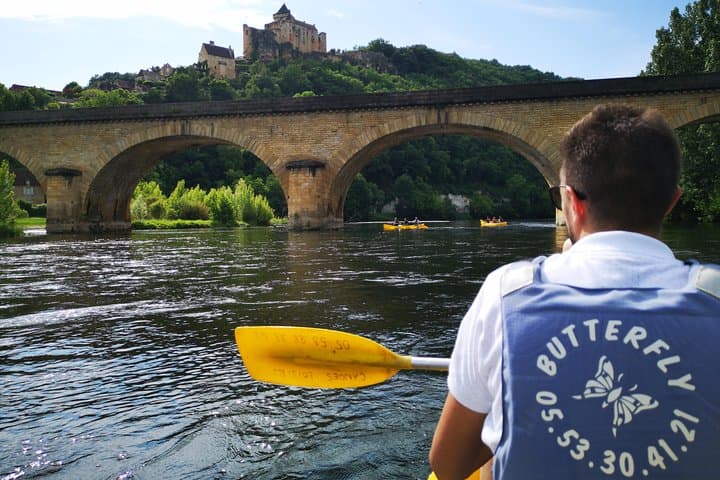
The river opens like a moving map: slow green water, limestone cliffs punctuated by stone keeps, and willows that brush the hull as you glide. On a typical morning from Bergerac the Dordogne invites quiet—paddles whisper, kingfishers flash, and villages with ochre roofs watch from the banks.
The river opens like a moving map: slow green water, limestone cliffs punctuated by stone keeps, and willows that brush the hull as you glide. On a typical morning from Bergerac the Dordogne invites quiet—paddles whisper, kingfishers flash, and villages with ochre roofs watch from the banks.
This section of the Dordogne sits in the Black Périgord, a landscape shaped by Jurassic limestones and millennia of human settlement. Medieval castles—built for river control and defense—mark strategic promontories, while small ports and bastide towns tell the region’s trade and agricultural history. The river corridor is a designated biosphere reserve; its braided channels and riparian woods support amphibians, waterfowl, and dense insect life that anglers and naturalists appreciate.
Trips are unstructured: you’ll receive a canoe or kayak, paddles and lifejackets, a paper route guide and a shuttle to the put-in. Typical self-guided distances range from short one-hour floats to full five-hour descents covering roughly 6–15 km depending on current and chosen route. Expect flat water with occasional mild eddies—no technical rapids—making this accessible to novice paddlers but requiring basic boat control and attention to changing water levels.
Practical notes: launch in the cooler hours for better wildlife viewing and calmer wind; wear closed water shoes and bring a dry bag for layers and electronics; hydrate and apply sunscreen. Follow local signage, respect private riverbanks, and carry out any trash—this stretch rewards quiet, steady progress with close-up castle views and small beaches for lunch.