THE ADVENTURE COLLECTIVE® · Independent discovery and booking for outdoor travel

Spend three hours paddling the scenic River Dart from Totnes with an experienced guide. Learn basic canoe skills, spot seals and kingfishers, and cruise past Sharpham House and the Hole in the Wall.
Spend three hours paddling the scenic River Dart from Totnes with an experienced guide. Learn basic canoe skills, spot seals and kingfishers, and cruise past Sharpham House and the Hole in the Wall.
A cool mist lifts off the River Dart as you push away from Totnes quay—paddles cutting cleanly through dark water and the guide's steady voice setting cadence. The river narrows and widens like a breathing animal; mudflats glint at low tide, reedbeds rustle, and the town's Georgian roofs fall away behind you.
Verified experiences and guided adventures in the surrounding area.
Operated by Rock The Boat Activities · Totnes, Devon
A cool mist lifts off the River Dart as you push away from Totnes quay—paddles cutting cleanly through dark water and the guide's steady voice setting cadence. The river narrows and widens like a breathing animal; mudflats glint at low tide, reedbeds rustle, and the town's Georgian roofs fall away behind you.
This stretch of the Dart has been a working artery since medieval times: Totnes grew as a market town where boats once carried clay, grain and later steamers. Geologically the valley opens from upland Devon sandstone into estuarine silt, creating sheltered channels that attract seals, kingfishers and migratory waders. You’ll pass man-made markers—Sharpham House across the water, the Hole in the Wall at Saltmarsh, and the rusting bow of a paddle steamer wreck—small cultural signposts of the river’s layered history.
Guided sessions typically last three hours, beginning with equipment and safety briefings. Expect instruction in basic strokes, boat-trim and simple river reading; your guide times the route with the tide so launches and returns are comfortable. Photography stops are frequent; guides will often take shots for you.
Practical guidance: wear quick-dry layers and secure footwear, bring a dry bag for electronics, and check tide times before arrival. The river is calm but tidal—follow your guide, keep distance from wildlife (seals especially) and pack out all waste. Morning departures give softer light and quieter wildlife; late afternoon brings warmer tones and gentler currents. This is a gentle, accessible paddle that rewards attention to rhythm, weather and tide.
easy.
3 hours.
Light aerobic fitness—able to paddle for extended periods with short rests; suitable for beginners and most ages.
No—this tour is designed for beginners; guides provide a safety briefing and teach the necessary paddling skills.
Yes—routes are scheduled with the tide in mind; guides may alter or cancel sessions for unsafe conditions, though the operator does not automatically cancel for light rain.
The tour is family-friendly and marked wheelchair accessible for parts of the operation, but check with the operator about specific mobility needs and age limits before booking.
Seals are commonly seen in the estuary, and guides know good vantage points, but sightings cannot be guaranteed—they depend on season and tide.
The River Dart has long been a commercial and social route; Totnes grew as a medieval market hub while steamers later added tourism to the river’s story.
The estuary supports sensitive habitats—stay on designated launch points, avoid disturbing hauled-out seals, and follow leave-no-trace practices to protect mudflats and reedbeds.
Rock The Boat Activities operates guided outdoor trips and adventures with an emphasis on safety, stewardship, and memorable experiences.
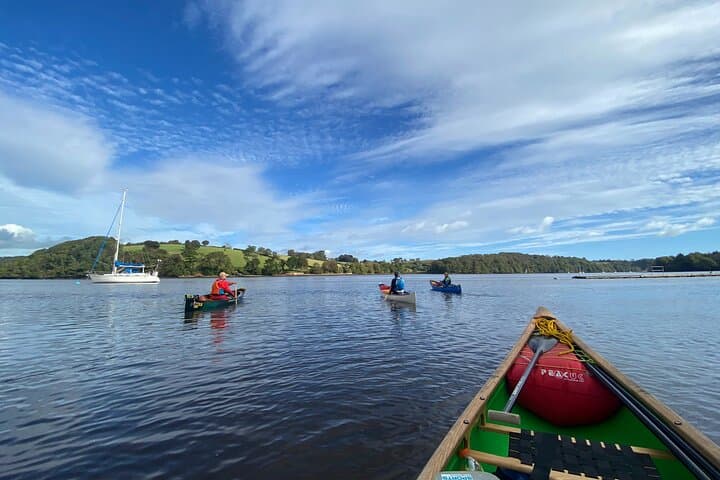
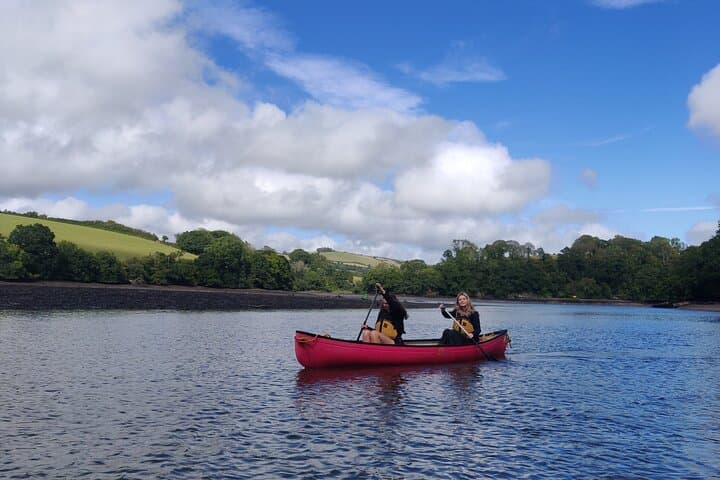
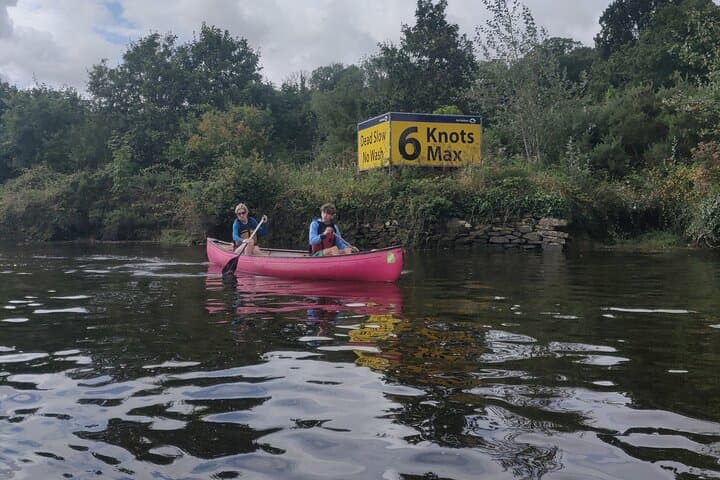
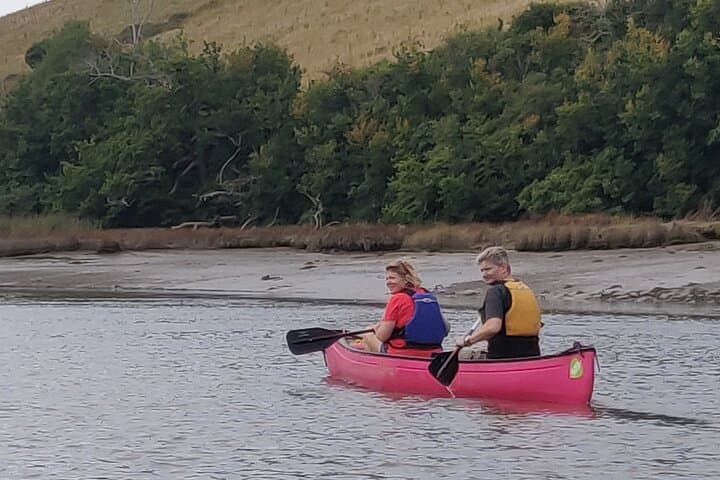
A cool mist lifts off the River Dart as you push away from Totnes quay—paddles cutting cleanly through dark water and the guide's steady voice setting cadence. The river narrows and widens like a breathing animal; mudflats glint at low tide, reedbeds rustle, and the town's Georgian roofs fall away behind you.
A cool mist lifts off the River Dart as you push away from Totnes quay—paddles cutting cleanly through dark water and the guide's steady voice setting cadence. The river narrows and widens like a breathing animal; mudflats glint at low tide, reedbeds rustle, and the town's Georgian roofs fall away behind you.
This stretch of the Dart has been a working artery since medieval times: Totnes grew as a market town where boats once carried clay, grain and later steamers. Geologically the valley opens from upland Devon sandstone into estuarine silt, creating sheltered channels that attract seals, kingfishers and migratory waders. You’ll pass man-made markers—Sharpham House across the water, the Hole in the Wall at Saltmarsh, and the rusting bow of a paddle steamer wreck—small cultural signposts of the river’s layered history.
Guided sessions typically last three hours, beginning with equipment and safety briefings. Expect instruction in basic strokes, boat-trim and simple river reading; your guide times the route with the tide so launches and returns are comfortable. Photography stops are frequent; guides will often take shots for you.
Practical guidance: wear quick-dry layers and secure footwear, bring a dry bag for electronics, and check tide times before arrival. The river is calm but tidal—follow your guide, keep distance from wildlife (seals especially) and pack out all waste. Morning departures give softer light and quieter wildlife; late afternoon brings warmer tones and gentler currents. This is a gentle, accessible paddle that rewards attention to rhythm, weather and tide.