THE ADVENTURE COLLECTIVE® · Independent discovery and booking for outdoor travel

Explore Sète’s network of canals by sea kayak on a three-hour guided tour that blends harbor panoramas with intimate canal passages. Ideal for beginners, the trip includes a safety briefing, a breakwater swim stop and close-up views of local fishing life.
Explore Sète’s network of canals by sea kayak on a three-hour guided tour that blends harbor panoramas with intimate canal passages. Ideal for beginners, the trip includes a safety briefing, a breakwater swim stop and close-up views of local fishing life.
The paddle slips from your hands and the canals take the lead — narrow alleys of water threading between low fishermen’s houses, nets hanging like weathered banners. In three hours, paddlers move from the open Mediterranean into the sheltered channels that earned Sète its local nickname: the Languedoc’s little Venice. Salt air pushes at your face and the harbor breathes around you as color and craft slide past.
Verified experiences and guided adventures in the surrounding area.
Operated by KAYAKMED · Sète, Occitanie
The paddle slips from your hands and the canals take the lead — narrow alleys of water threading between low fishermen’s houses, nets hanging like weathered banners. In three hours, paddlers move from the open Mediterranean into the sheltered channels that earned Sète its local nickname: the Languedoc’s little Venice. Salt air pushes at your face and the harbor breathes around you as color and craft slide past.
Sète grew as a port city in the 17th and 18th centuries; its canals were practical arteries for trade and fishing, and they still carry tuna boats, oyster barges and morning markets. Geologically the coastline sits where the Rhône delta and the Massif Central margins flatten into lagoon and sandbar, creating shallow, warm waters around the Étang de Thau. Culture here is maritime and direct — crews repair nets on quays, and local bistros specialize in grilled fish and tielle.
On a guided 3-hour sea kayak trip participants receive a brief paddling and safety session, then follow waterways that alternate wide harbor views with intimate canal passages. Expect a mix of calm, flat-water paddling and short crossings exposed to sea breeze; guides usually stop at a breakwater for a swim and a rest.
Practical notes: wear water shoes and sun protection, bring a filled water bottle, and be ready to follow the guide’s rhythm in narrow traffic. Swim competency is required; tours are suitable for beginners but expect three hours of sitting and paddling. Morning or late-afternoon departures offer cooler light and quieter canals.
easy.
3 hours.
Suitable for beginners with basic fitness; expect three hours of paddling and short walking on launch/landing.
No — guides provide an introduction and the route is appropriate for beginners, though paddling for three hours requires basic stamina.
Children from about six years old can join but must be accompanied by an adult; operators often set a minimum and require swimming ability.
Yes — life jackets and basic safety equipment are provided by the outfitter and fitted before departure.
Tours typically cancel if conditions are unsafe; check the operator’s 24-hour cancellation policy and expect a full refund if they cancel due to weather.
Sète developed as a working port in the 17th–18th centuries; its canals and quay infrastructure grew to serve tuna and oyster fisheries tied to the Étang de Thau.
Respect seagrass beds (Posidonia) and avoid dragging kayaks across shallow meadows; pack out plastics and follow guide instructions to minimize disturbance to birds and marine life.
KAYAKMED operates guided outdoor trips and adventures with an emphasis on safety, stewardship, and memorable experiences.
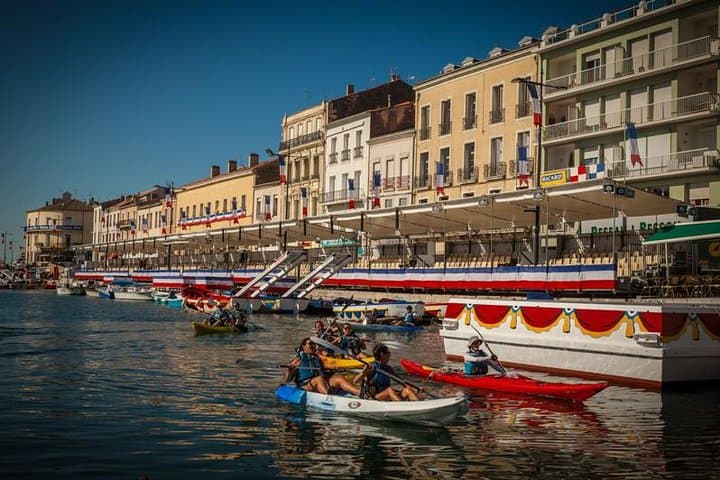
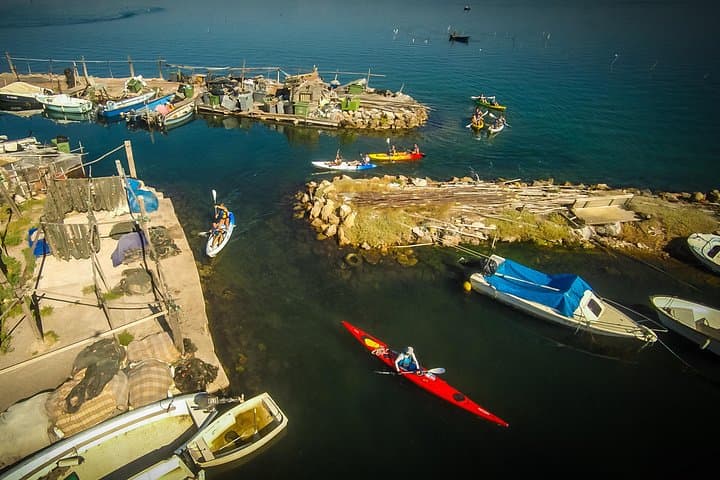
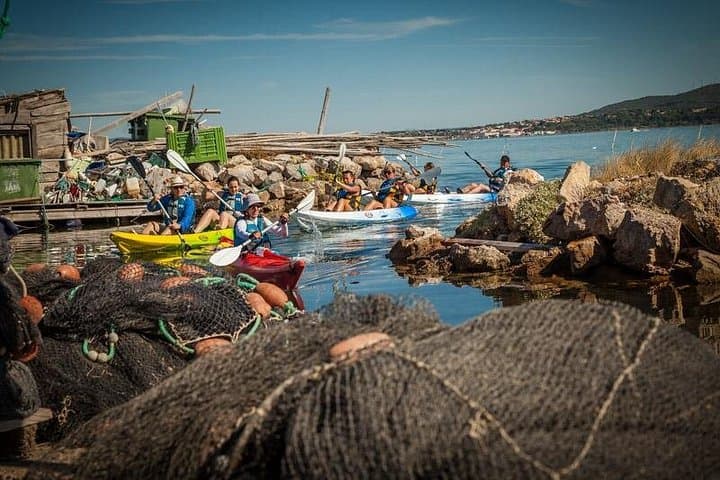
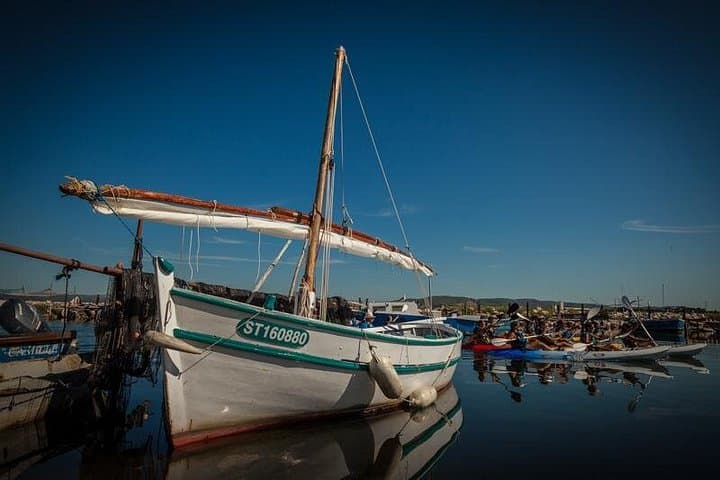
The paddle slips from your hands and the canals take the lead — narrow alleys of water threading between low fishermen’s houses, nets hanging like weathered banners. In three hours, paddlers move from the open Mediterranean into the sheltered channels that earned Sète its local nickname: the Languedoc’s little Venice. Salt air pushes at your face and the harbor breathes around you as color and craft slide past.
The paddle slips from your hands and the canals take the lead — narrow alleys of water threading between low fishermen’s houses, nets hanging like weathered banners. In three hours, paddlers move from the open Mediterranean into the sheltered channels that earned Sète its local nickname: the Languedoc’s little Venice. Salt air pushes at your face and the harbor breathes around you as color and craft slide past.
Sète grew as a port city in the 17th and 18th centuries; its canals were practical arteries for trade and fishing, and they still carry tuna boats, oyster barges and morning markets. Geologically the coastline sits where the Rhône delta and the Massif Central margins flatten into lagoon and sandbar, creating shallow, warm waters around the Étang de Thau. Culture here is maritime and direct — crews repair nets on quays, and local bistros specialize in grilled fish and tielle.
On a guided 3-hour sea kayak trip participants receive a brief paddling and safety session, then follow waterways that alternate wide harbor views with intimate canal passages. Expect a mix of calm, flat-water paddling and short crossings exposed to sea breeze; guides usually stop at a breakwater for a swim and a rest.
Practical notes: wear water shoes and sun protection, bring a filled water bottle, and be ready to follow the guide’s rhythm in narrow traffic. Swim competency is required; tours are suitable for beginners but expect three hours of sitting and paddling. Morning or late-afternoon departures offer cooler light and quieter canals.