THE ADVENTURE COLLECTIVE® · Independent discovery and booking for outdoor travel

Paddle the shoreline of Resurrection Bay from Lowell Point on a guided sea-kayak trip that combines wildlife viewing, a rainforest walk and a beach picnic. Expect close encounters with sea otters, bald eagles and the glacial shoulders of the Kenai Mountains.
Paddle the shoreline of Resurrection Bay from Lowell Point on a guided sea-kayak trip that combines wildlife viewing, a rainforest walk and a beach picnic. Expect close encounters with sea otters, bald eagles and the glacial shoulders of the Kenai Mountains.
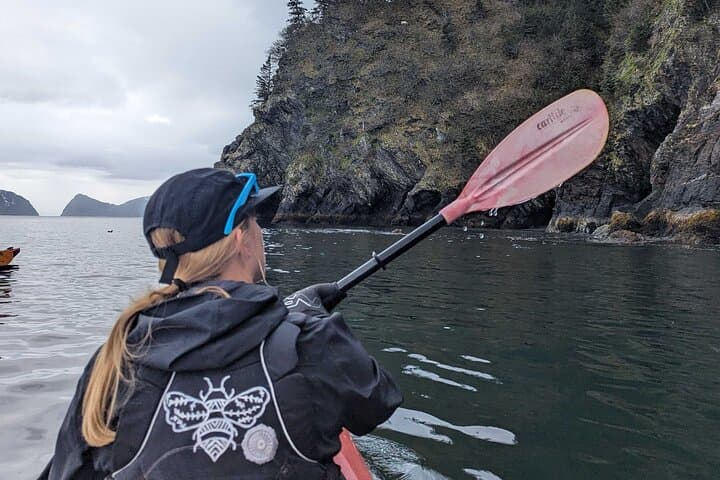
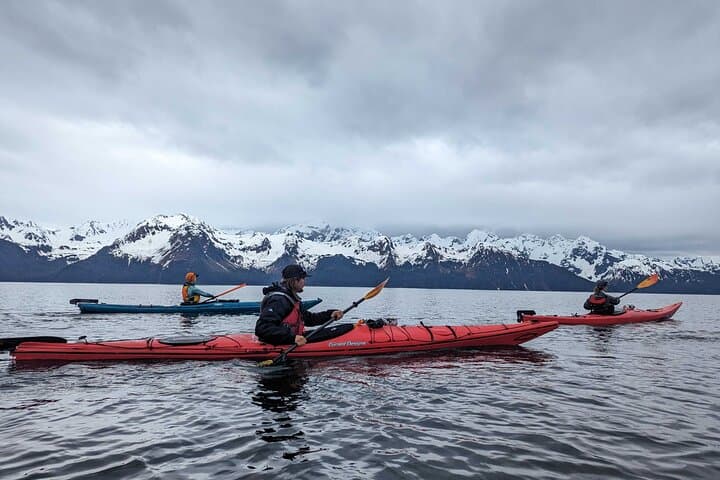
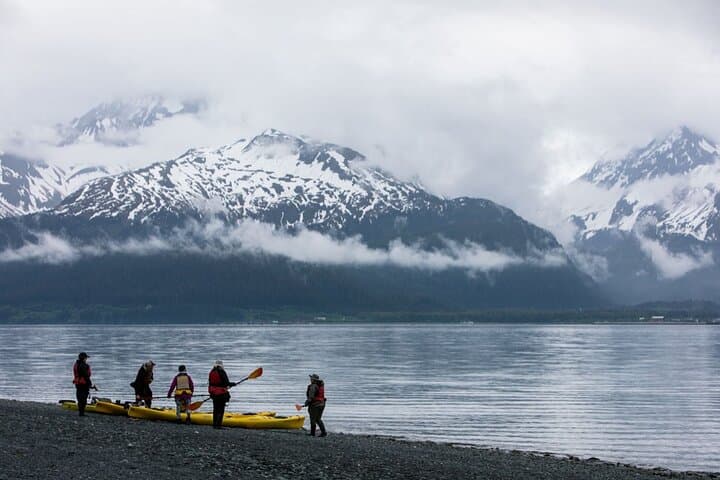
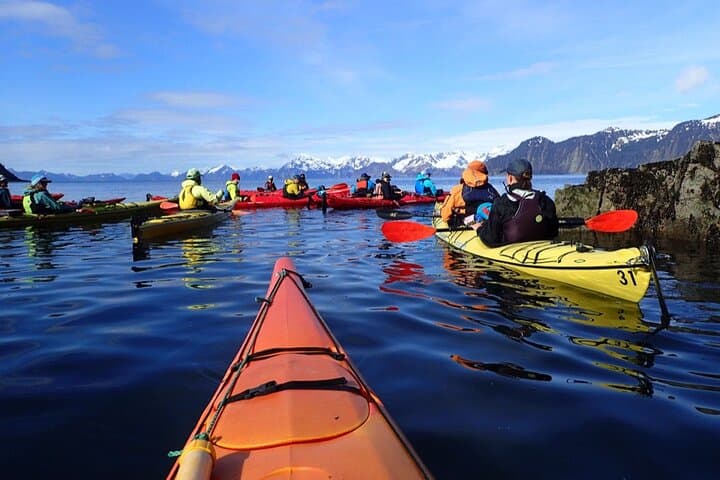
The first strokes push you into water that tastes cold enough to wake your teeth. Sea-slick rocks glint along Lowell Point as the van drops the group onto a private spit of beach, and the mountains across Resurrection Bay stand in hard relief—glacier white against a pewter sky. Guides tighten spray skirts and fit neoprene booties; gulls wheel and bald eagles survey the shoreline like sentries. The rhythm of paddling replaces the town’s hum, and the bay’s current begins to move the day forward.
Verified experiences and guided adventures in the surrounding area.
Operated by Sunny Cove Kayaking · Seward, Alaska
The first strokes push you into water that tastes cold enough to wake your teeth. Sea-slick rocks glint along Lowell Point as the van drops the group onto a private spit of beach, and the mountains across Resurrection Bay stand in hard relief—glacier white against a pewter sky. Guides tighten spray skirts and fit neoprene booties; gulls wheel and bald eagles survey the shoreline like sentries. The rhythm of paddling replaces the town’s hum, and the bay’s current begins to move the day forward.
This is coastal Alaska in practical terms: a place where tide and weather chart the itinerary and where human history is layered on a deep natural ledger. Seward, founded in the late 19th century and named after Secretary of State William H. Seward, grew as a fishing and rail terminus; before that, Alutiiq communities read the currents and harvests of Resurrection Bay for generations. Geologically, the mountains rise where tectonic strain has shoved ancient rock skyward; glacial melt and rivers like the Tonsina shape beaches and create the ghost forests of toppled, waterlogged trees you’ll pass on the shore.
The tour’s arc is simple and deliberate: a shoreline paddle, wildlife watching, a beach landing, a short rainforest walk, and a picnic. Sea otters romp in kelp beds and push kelp like a blanket; harbor porpoises and occasional seals thread the bay. The rainforest is low and dense—spruce and alder that smell sharp after rain, rooted in ground still recovering from glacial retreat. Guides point out salmon streams where late-season fish work upstream, calling attention to the pulse of life that ties sea to forest.
Practically speaking, this is a full morning-to-afternoon commitment (about 4–5 hours) that suits paddlers who can sit and paddle for stretches and manage a short, sometimes muddy forest walk. Group size is small—kayaks are two-person—which keeps the experience intimate and reduces wake. The operator provides technical kit: two-person kayaks, PFDs, spray skirts, waterproof boots and a picnic lunch, so travelers needn’t overpack specialized gear.
Safety rhythms are constant: check-ins with guides, straightforward shoreline landings, and clear wildlife etiquette—observe, don’t approach. Weather dictates clothing and timing; layers, waterproof shells and neoprene accessories make the difference between a day you remember for wildlife and one you remember for cold. For photographers, the low angle from the kayak and the quiet of the beach provide frame-worthy glacier vistas and close wildlife encounters—when you paddle quietly, the bay often rewards you.
On the map this is a single tour, but on the water it becomes a conversation between ocean, mountain and forest—direct, practical and immediately affecting. Come prepared, expect changeable weather, and let the bay do the rest.
moderate.
4–5 hours.
Moderate fitness—comfortable sitting paddling for several hours and able to walk short, sometimes muddy rainforest trails.
Minimum age is 8 years and 50 lb; maximum weight restrictions apply (250 lb and 44" waist) to ensure safe fit in tandem kayaks.
A picnic lunch and beverages are included; bring personal snacks if you have specific dietary needs and inform the operator 72 hours in advance.
Trips can be canceled for unsafe weather or insufficient travelers; all sales are final for cancellations, so travel insurance is recommended.
No prior experience required—guides provide instruction and assist with launches, but you must be able to hold and use a paddle for extended periods.
Guides maintain responsible distances—expect good viewing from kayaks but not physical contact; animals like otters and eagles may approach within sight but not touch.
Meet in Seward at the provided location near Lowell Point; use the City of Seward pay lot across the street and arrive 10 minutes early to find parking.
Seward developed as a rail terminus and fishing port after U.S. acquisition of Alaska; Indigenous Alutiiq communities have long harvested the bay’s resources.
Respect marine wildlife by keeping distance and avoiding shore disturbance; kelp beds and salmon streams are sensitive—stay on designated landing areas and pack out all waste.
Sunny Cove Kayaking operates guided outdoor trips and adventures with an emphasis on safety, stewardship, and memorable experiences.
The first strokes push you into water that tastes cold enough to wake your teeth. Sea-slick rocks glint along Lowell Point as the van drops the group onto a private spit of beach, and the mountains across Resurrection Bay stand in hard relief—glacier white against a pewter sky. Guides tighten spray skirts and fit neoprene booties; gulls wheel and bald eagles survey the shoreline like sentries. The rhythm of paddling replaces the town’s hum, and the bay’s current begins to move the day forward.
The first strokes push you into water that tastes cold enough to wake your teeth. Sea-slick rocks glint along Lowell Point as the van drops the group onto a private spit of beach, and the mountains across Resurrection Bay stand in hard relief—glacier white against a pewter sky. Guides tighten spray skirts and fit neoprene booties; gulls wheel and bald eagles survey the shoreline like sentries. The rhythm of paddling replaces the town’s hum, and the bay’s current begins to move the day forward.
This is coastal Alaska in practical terms: a place where tide and weather chart the itinerary and where human history is layered on a deep natural ledger. Seward, founded in the late 19th century and named after Secretary of State William H. Seward, grew as a fishing and rail terminus; before that, Alutiiq communities read the currents and harvests of Resurrection Bay for generations. Geologically, the mountains rise where tectonic strain has shoved ancient rock skyward; glacial melt and rivers like the Tonsina shape beaches and create the ghost forests of toppled, waterlogged trees you’ll pass on the shore.
The tour’s arc is simple and deliberate: a shoreline paddle, wildlife watching, a beach landing, a short rainforest walk, and a picnic. Sea otters romp in kelp beds and push kelp like a blanket; harbor porpoises and occasional seals thread the bay. The rainforest is low and dense—spruce and alder that smell sharp after rain, rooted in ground still recovering from glacial retreat. Guides point out salmon streams where late-season fish work upstream, calling attention to the pulse of life that ties sea to forest.
Practically speaking, this is a full morning-to-afternoon commitment (about 4–5 hours) that suits paddlers who can sit and paddle for stretches and manage a short, sometimes muddy forest walk. Group size is small—kayaks are two-person—which keeps the experience intimate and reduces wake. The operator provides technical kit: two-person kayaks, PFDs, spray skirts, waterproof boots and a picnic lunch, so travelers needn’t overpack specialized gear.
Safety rhythms are constant: check-ins with guides, straightforward shoreline landings, and clear wildlife etiquette—observe, don’t approach. Weather dictates clothing and timing; layers, waterproof shells and neoprene accessories make the difference between a day you remember for wildlife and one you remember for cold. For photographers, the low angle from the kayak and the quiet of the beach provide frame-worthy glacier vistas and close wildlife encounters—when you paddle quietly, the bay often rewards you.
On the map this is a single tour, but on the water it becomes a conversation between ocean, mountain and forest—direct, practical and immediately affecting. Come prepared, expect changeable weather, and let the bay do the rest.