THE ADVENTURE COLLECTIVE® · Independent discovery and booking for outdoor travel

Explore Mangel Halto’s mangrove channels and snorkel fringing reefs in Spanish Lagoon on a two‑hour guided kayak. This private, beginner‑friendly tour combines calm paddling with shallow‑water snorkeling and local marine interpretation.
Explore Mangel Halto’s mangrove channels and snorkel fringing reefs in Spanish Lagoon on a two‑hour guided kayak. This private, beginner‑friendly tour combines calm paddling with shallow‑water snorkeling and local marine interpretation.
You push off from a narrow sand shelf and the sea takes the rhythm — a gentle, steady stroke past mangrove roots that hook the shoreline like hidden hands. Glassy water opens to coral gardens; schools of bright fish scatter when your paddle breaks the surface. The guide points out a shallow ledge, and you slip into warm water to snorkel among finger corals and parrotfish.
Verified experiences and guided adventures in the surrounding area.
Operated by Philip Tromp · Oranjestad, Aruba
You push off from a narrow sand shelf and the sea takes the rhythm — a gentle, steady stroke past mangrove roots that hook the shoreline like hidden hands. Glassy water opens to coral gardens; schools of bright fish scatter when your paddle breaks the surface. The guide points out a shallow ledge, and you slip into warm water to snorkel among finger corals and parrotfish.
This stretch of Aruba bears the marks of time: fossilized limestone underlies low beaches while coral growth rings mark decades of clear Caribbean water. The Caquetío people once used these coves for shelter; later Dutch colonial trade moved communities toward the island’s larger ports, leaving places like Mangel Halto quieter and more marine-focused. Spanish Lagoon’s mangrove channels are both nursery and natural breakwater — a living coastline shaped by currents and coral skeletons.
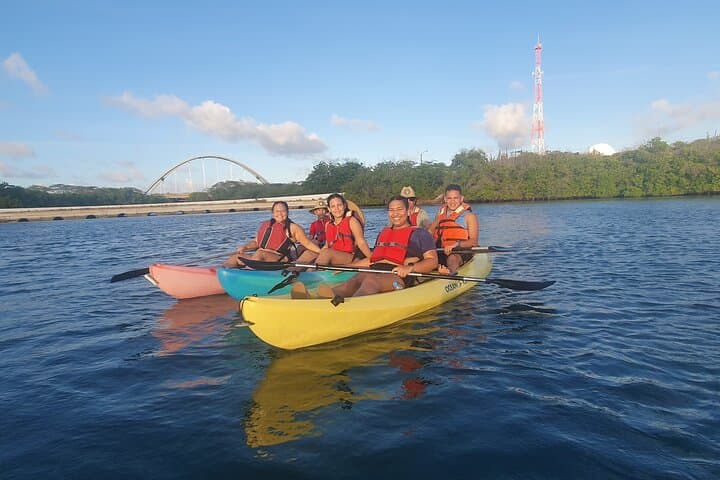
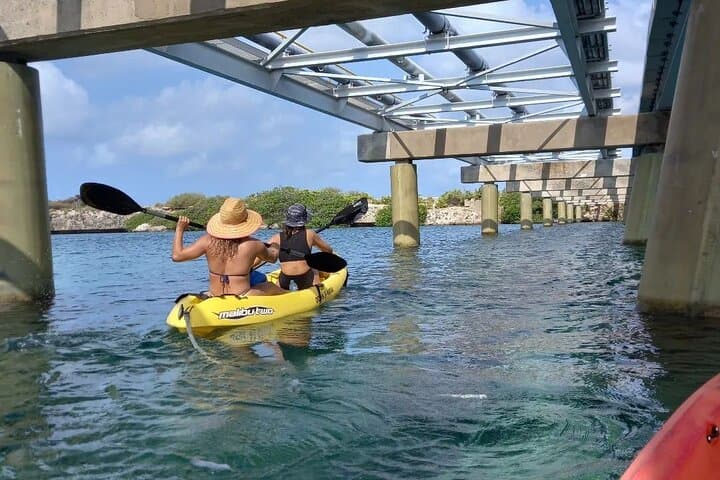
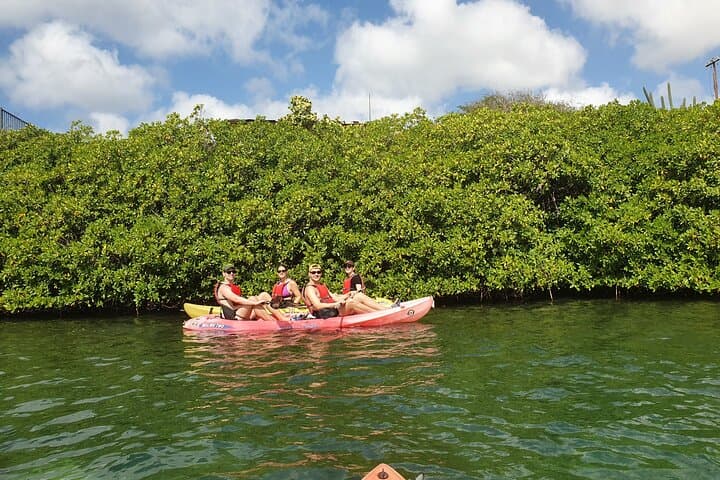
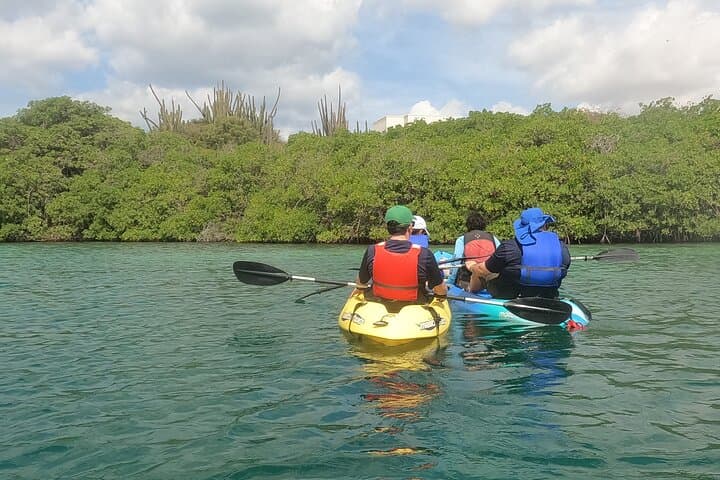
On a typical 2‑hour private tour you’ll paddle from Mangel Halto along sheltered reef flats, stop to snorkel rich shallows, then explore winding mangrove channels in Spanish Lagoon before returning. Expect 3–4 km total on flat water, minimal chop in mornings, and close-up wildlife: reef fish, shorebirds, occasional turtles. Guides provide life vests, snorkel gear, and local interpretation.
Plan for sun, salt, and sand: wear protective clothing, reef-safe sunscreen, water shoes, and a small dry bag for phones. Morning departures avoid trade-wind chop and give the best visibility for snorkeling. Respect coral and mangroves — don’t stand on reefs or disturb seagrass — and bring water and a light snack to stay energized.
moderate.
2 hours.
Moderate fitness — able to paddle for about 2 hours with short snorkel swims; good balance helpful
No — tours are guided and suitable for beginners; guides teach basic strokes and safety before launch.
Life vest, single/double kayak, bottled water, snorkel equipment, and a local guide are included.
Children are typically welcome if they meet minimum age/weight requirements and can sit in a tandem kayak; check with the operator when booking.
Avoid touching corals, disturbing seagrass, or handling marine life — these actions damage habitats and are often illegal.
The coastal shallow waters here have sustained indigenous Caquetío communities and later fishermen; reefs and mangroves have long been local resources.
Mangroves and coral reefs are sensitive—use reef‑safe products, don’t anchor on coral, and carry out all trash to protect nursery habitat.
Philip Tromp operates guided outdoor trips and adventures with an emphasis on safety, stewardship, and memorable experiences.
You push off from a narrow sand shelf and the sea takes the rhythm — a gentle, steady stroke past mangrove roots that hook the shoreline like hidden hands. Glassy water opens to coral gardens; schools of bright fish scatter when your paddle breaks the surface. The guide points out a shallow ledge, and you slip into warm water to snorkel among finger corals and parrotfish.
You push off from a narrow sand shelf and the sea takes the rhythm — a gentle, steady stroke past mangrove roots that hook the shoreline like hidden hands. Glassy water opens to coral gardens; schools of bright fish scatter when your paddle breaks the surface. The guide points out a shallow ledge, and you slip into warm water to snorkel among finger corals and parrotfish.
This stretch of Aruba bears the marks of time: fossilized limestone underlies low beaches while coral growth rings mark decades of clear Caribbean water. The Caquetío people once used these coves for shelter; later Dutch colonial trade moved communities toward the island’s larger ports, leaving places like Mangel Halto quieter and more marine-focused. Spanish Lagoon’s mangrove channels are both nursery and natural breakwater — a living coastline shaped by currents and coral skeletons.
On a typical 2‑hour private tour you’ll paddle from Mangel Halto along sheltered reef flats, stop to snorkel rich shallows, then explore winding mangrove channels in Spanish Lagoon before returning. Expect 3–4 km total on flat water, minimal chop in mornings, and close-up wildlife: reef fish, shorebirds, occasional turtles. Guides provide life vests, snorkel gear, and local interpretation.
Plan for sun, salt, and sand: wear protective clothing, reef-safe sunscreen, water shoes, and a small dry bag for phones. Morning departures avoid trade-wind chop and give the best visibility for snorkeling. Respect coral and mangroves — don’t stand on reefs or disturb seagrass — and bring water and a light snack to stay energized.