THE ADVENTURE COLLECTIVE® · Independent discovery and booking for outdoor travel

Glide across Lake Hibara beneath the rising bulk of Mt. Bandai on a guided two-hour tandem canoe tour. Learn about the lake’s volcanic origins while paddling past islets and quiet shorelines—perfect for beginners and photographers.
Glide across Lake Hibara beneath the rising bulk of Mt. Bandai on a guided two-hour tandem canoe tour. Learn about the lake’s volcanic origins while paddling past islets and quiet shorelines—perfect for beginners and photographers.
A cool hush sits on Lake Hibara at first light; the water resists disturbance and mirrors Mt. Bandai as it rises, rugged and still-smoking in geological memory. Paddles dip, the tandem canoe answers with a measured glide, and small volcanic islets—leftover rubble from the mountain’s 1888 eruption—appear and disappear like secret waymarkers.
Verified experiences and guided adventures in the surrounding area.
Operated by アウトドアスポーツクラブ バックス · Kitashiobara, Fukushima Prefecture
A cool hush sits on Lake Hibara at first light; the water resists disturbance and mirrors Mt. Bandai as it rises, rugged and still-smoking in geological memory. Paddles dip, the tandem canoe answers with a measured glide, and small volcanic islets—leftover rubble from the mountain’s 1888 eruption—appear and disappear like secret waymarkers.
Lake Hibara is the largest of Urabandai’s cluster of lakes formed by the explosive reshaping of Mt. Bandai. Locals call the scattering of small islands “Bandai Matsushima,” a geological echo of the sea-side classic, and the area has long been a seasonal playground for fishermen, foresters, and hot-spring seekers. On the water you’ll sense both the lake’s volcanic past and the deliberate patience of rural Fukushima—fishermen casting quietly and cormorants inspecting shores.
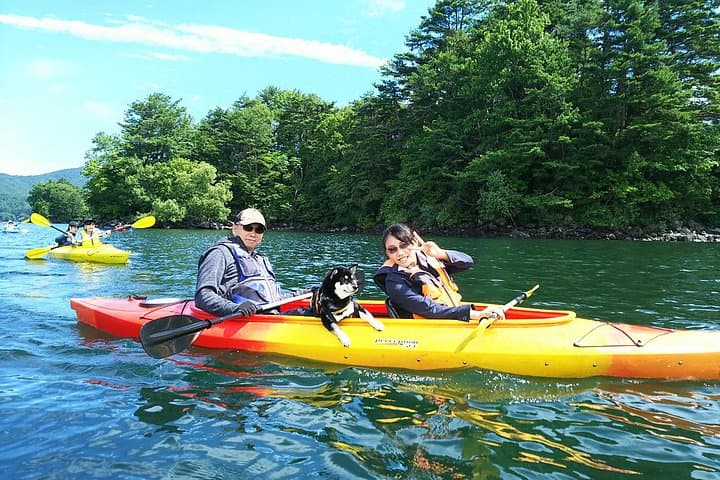
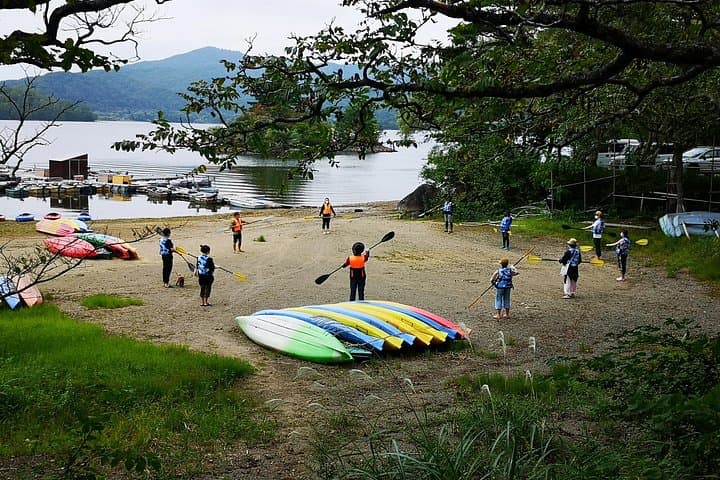
This guided two-hour canoe tour uses stable tandem kayaks; it’s aimed at beginners and families, with life jackets and paddles provided. Expect easy paddling on generally calm water, short stretches near islands that invite exploration, and open views of Bandai’s flanks. Weather shifts quickly here—winds can push you across open water—and guides factor that into route choices.
Practical notes: arrive with layered clothing, waterproof pockets for cameras, and shoes that stay on when wet. The outing is best in the calm of morning or late afternoon light. Bring water, a hat, and an understanding that wildlife and weather set the pace—the lake will tell you whether to cruise or coast.
easy.
2 hours.
Moderate fitness recommended—able to paddle and sit for two hours; no advanced conditioning required.
No—this guided tour uses stable tandem kayaks and is designed for beginners; guides provide basic instruction before launch.
Yes—small dogs are commonly allowed aboard; confirm with the operator and bring a secure harness or seat for your pet.
Trips can be canceled in conditions deemed unsafe (strong wind, heavy rain); operators often make a call before departure—check the cancellation policy.
Infant seats are available and families are welcome; confirm age minimums and infant seating when booking.
Lake Hibara and the surrounding ponds were reshaped during Mt. Bandai’s catastrophic 1888 eruption, which dammed valleys and created the irregular lake pattern seen today.
Urabandai’s aquatic habitats are sensitive to pollution and shoreline disturbance—stay on designated routes, pack out waste, and avoid feeding wildlife.
アウトドアスポーツクラブ バックス operates guided outdoor trips and adventures with an emphasis on safety, stewardship, and memorable experiences.
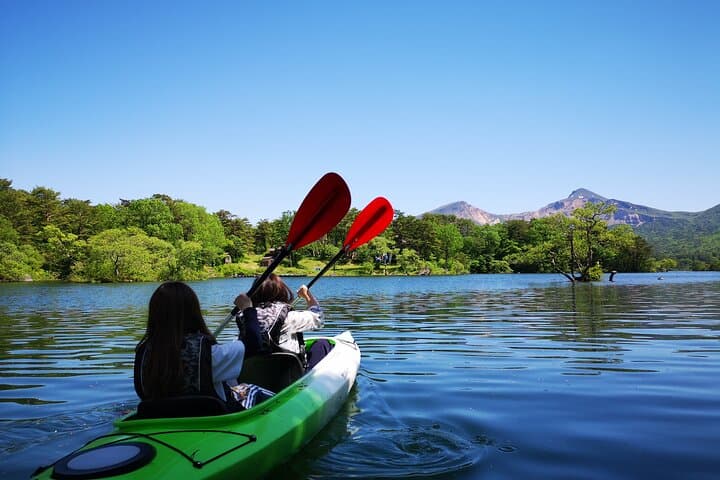
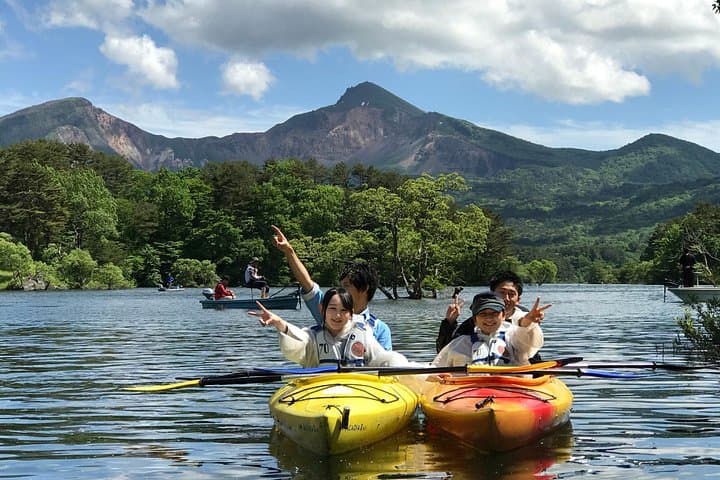
A cool hush sits on Lake Hibara at first light; the water resists disturbance and mirrors Mt. Bandai as it rises, rugged and still-smoking in geological memory. Paddles dip, the tandem canoe answers with a measured glide, and small volcanic islets—leftover rubble from the mountain’s 1888 eruption—appear and disappear like secret waymarkers.
A cool hush sits on Lake Hibara at first light; the water resists disturbance and mirrors Mt. Bandai as it rises, rugged and still-smoking in geological memory. Paddles dip, the tandem canoe answers with a measured glide, and small volcanic islets—leftover rubble from the mountain’s 1888 eruption—appear and disappear like secret waymarkers.
Lake Hibara is the largest of Urabandai’s cluster of lakes formed by the explosive reshaping of Mt. Bandai. Locals call the scattering of small islands “Bandai Matsushima,” a geological echo of the sea-side classic, and the area has long been a seasonal playground for fishermen, foresters, and hot-spring seekers. On the water you’ll sense both the lake’s volcanic past and the deliberate patience of rural Fukushima—fishermen casting quietly and cormorants inspecting shores.
This guided two-hour canoe tour uses stable tandem kayaks; it’s aimed at beginners and families, with life jackets and paddles provided. Expect easy paddling on generally calm water, short stretches near islands that invite exploration, and open views of Bandai’s flanks. Weather shifts quickly here—winds can push you across open water—and guides factor that into route choices.
Practical notes: arrive with layered clothing, waterproof pockets for cameras, and shoes that stay on when wet. The outing is best in the calm of morning or late afternoon light. Bring water, a hat, and an understanding that wildlife and weather set the pace—the lake will tell you whether to cruise or coast.