THE ADVENTURE COLLECTIVE® · Independent discovery and booking for outdoor travel

Glide beneath spires and past houseboats on a rented SUP from Kalvebod Bolge. This self‑guided Copenhagen paddle delivers city history and architecture from water level — bring balance, a vest, and timing to dodge ferry wakes.
Glide beneath spires and past houseboats on a rented SUP from Kalvebod Bolge. This self‑guided Copenhagen paddle delivers city history and architecture from water level — bring balance, a vest, and timing to dodge ferry wakes.
Standing on the quay at Kalvebod Bolge, the city loosens its edges — brickwork and glass give way to a wide sweep of water that dares you to cross it. A rented SUP becomes a small, deliberate craft: you push off, feel the board settle, and the harbor begins to move you through a living map of Copenhagen.
Verified experiences and guided adventures in the surrounding area.
Operated by Kajakhotellet ApS · Copenhagen, Capital Region
Standing on the quay at Kalvebod Bolge, the city loosens its edges — brickwork and glass give way to a wide sweep of water that dares you to cross it. A rented SUP becomes a small, deliberate craft: you push off, feel the board settle, and the harbor begins to move you through a living map of Copenhagen.
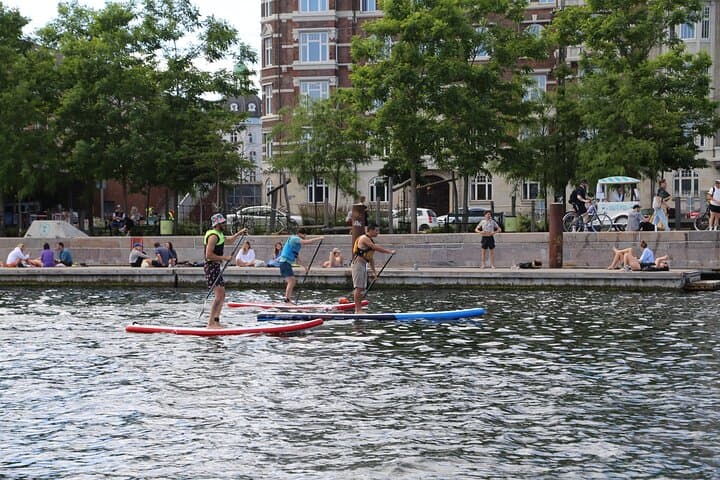
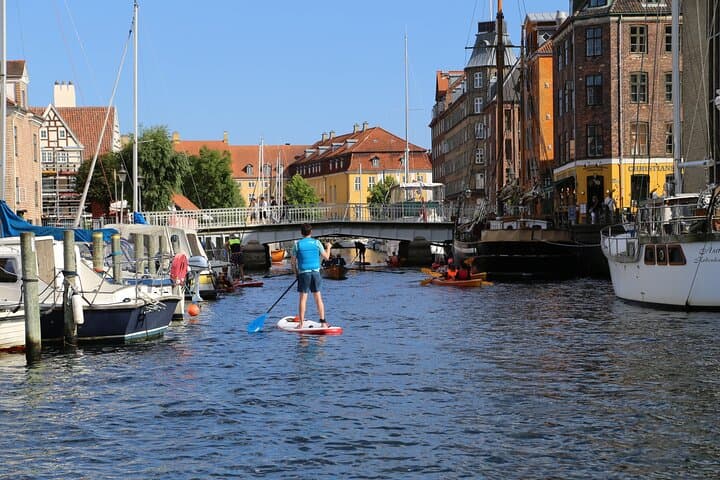
The route through Copenhagen Harbor and the smaller canals by Frederiksholm, Slotsholmen and Christianshavn threads modern architecture with 17th‑century quays. The canals were carved for defense and trade; today they carry tourist boats, houseboats and commuting ferries, and the currents remember both. Geologically shallow and sheltered, the harbor still produces wakes from ferries that test your balance — a reminder that urban paddling mixes calm water with traffic etiquette.
Locals paddle for sightlines: spires, the old Stock Exchange, and the houseboats of Christianshavn seen from water level feel different — closer, tactile. Culture here is pragmatic: keep right, stay close to quay when small craft pass, and respect private docks.
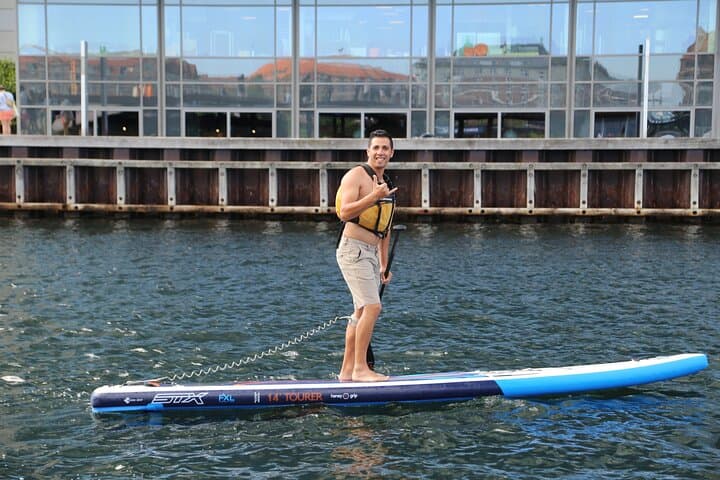
Practically, rentals run 1–3 hours and include board, paddle, leash and vest. Beginners are recommended to practice at Amager Beach first; this rental assumes comfort with falling into cold water and re‑boarding. Time your trip for morning or late afternoon to avoid peak commuter boats and strong winds. Wear quick‑dry layers, use a dry bag for electronics, and pick a board size that matches the weight limit (110 kg). With sensible gear and attention to the harbor’s rhythms, a solo paddle through Copenhagen’s canals is an efficient, memorable way to read the city from its water.
moderate.
1–3 hours.
Comfortable balance, basic paddling stamina, and the ability to swim are recommended; not for non‑swimmers.
No certification is required but you should feel comfortable falling into and getting back onto a board; beginners are advised to try Amager Beach first.
Maximum rider weight is approximately 110 kg (242 lbs); oversized riders risk instability and may be declined.
Yes — the rental includes a vest, paddle and leash; bring your own PFD if you prefer a specific fit.
Children under 12 are not allowed on the water; ages 12–15 must be accompanied by an adult, and anyone under 18 needs written parental permission unless participating themselves.
Copenhagen’s canals were developed from the 17th century for defense and trade; today they connect historic islands and modern waterfront redevelopment.
Keep to marked routes, avoid disturbing nesting birds on quays, and pack out all trash — urban waterways respond quickly to pollution.
Kajakhotellet ApS operates guided outdoor trips and adventures with an emphasis on safety, stewardship, and memorable experiences.
Standing on the quay at Kalvebod Bolge, the city loosens its edges — brickwork and glass give way to a wide sweep of water that dares you to cross it. A rented SUP becomes a small, deliberate craft: you push off, feel the board settle, and the harbor begins to move you through a living map of Copenhagen.
Standing on the quay at Kalvebod Bolge, the city loosens its edges — brickwork and glass give way to a wide sweep of water that dares you to cross it. A rented SUP becomes a small, deliberate craft: you push off, feel the board settle, and the harbor begins to move you through a living map of Copenhagen.
The route through Copenhagen Harbor and the smaller canals by Frederiksholm, Slotsholmen and Christianshavn threads modern architecture with 17th‑century quays. The canals were carved for defense and trade; today they carry tourist boats, houseboats and commuting ferries, and the currents remember both. Geologically shallow and sheltered, the harbor still produces wakes from ferries that test your balance — a reminder that urban paddling mixes calm water with traffic etiquette.
Locals paddle for sightlines: spires, the old Stock Exchange, and the houseboats of Christianshavn seen from water level feel different — closer, tactile. Culture here is pragmatic: keep right, stay close to quay when small craft pass, and respect private docks.
Practically, rentals run 1–3 hours and include board, paddle, leash and vest. Beginners are recommended to practice at Amager Beach first; this rental assumes comfort with falling into cold water and re‑boarding. Time your trip for morning or late afternoon to avoid peak commuter boats and strong winds. Wear quick‑dry layers, use a dry bag for electronics, and pick a board size that matches the weight limit (110 kg). With sensible gear and attention to the harbor’s rhythms, a solo paddle through Copenhagen’s canals is an efficient, memorable way to read the city from its water.