THE ADVENTURE COLLECTIVE® · Independent discovery and booking for outdoor travel

Float from Phil Foster Park across sheltered inlet water to Peanut Island for a guided paddleboard picnic. This easy, two-hour outing pairs calm paddling with a curated cooler and a close-up of the island’s Cold War bunker.
Float from Phil Foster Park across sheltered inlet water to Peanut Island for a guided paddleboard picnic. This easy, two-hour outing pairs calm paddling with a curated cooler and a close-up of the island’s Cold War bunker.
The blue spit of the Atlantic presses at the break, and you push off from under the Blue Heron Bridge with the motor noise behind you and a cooler between two boards. The water moves like a low-voiced guide—nudging, holding, moving you toward Peanut Island’s sandy edge where the island’s concrete bunker looks out like an old watchful guest.
Verified experiences and guided adventures in the surrounding area.
Operated by Paddle Paradise · Riviera Beach, Florida
The blue spit of the Atlantic presses at the break, and you push off from under the Blue Heron Bridge with the motor noise behind you and a cooler between two boards. The water moves like a low-voiced guide—nudging, holding, moving you toward Peanut Island’s sandy edge where the island’s concrete bunker looks out like an old watchful guest.
Peanut Island is a man-made spit created from dredged material; its mid-century Cold War bunker, built as a safe house for presidential visits, now reads as a curious human layer on a salt-slick landscape. Geology here is simple: tidal channels and reclaimed sand laid over limestone shelf, where currents carve channels and seagrass beds hold the shoreline together. The culture is maritime and relaxed—fishermen, divers at the Blue Heron Bridge, and families who treat the island like a short, sweet escape.
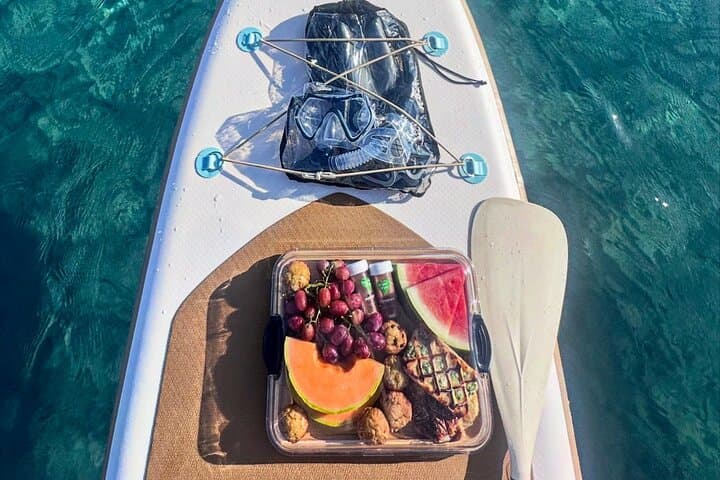
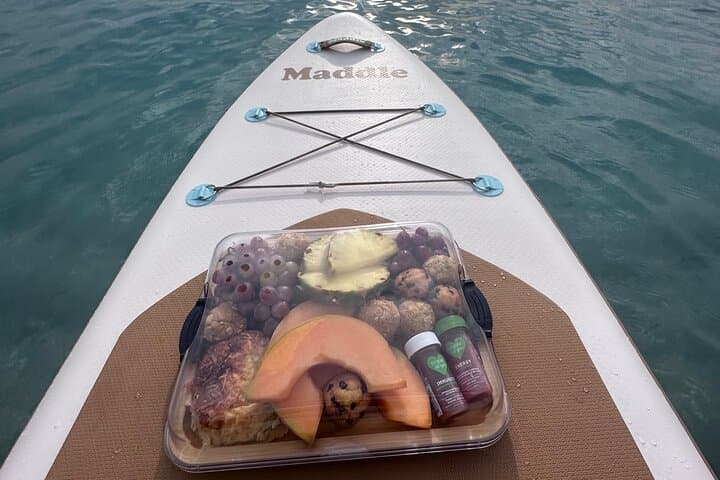
Expect easy, flat-water paddling across protected inlet waters with occasional boat traffic. The picnic package supplies boards, life jackets, whistle, dry bag and an eco cooler—so the trip becomes as much about the view and the food as the paddle. Time your crossing for incoming light or slack tide, wear reef-safe sunscreen, and tuck valuables into the provided dry bag; the wind can turn an hourglass quickly.
Practical tips: check tide and wind forecasts, arrive early for limited parking at Phil Foster Park, and respect manatee zones and seagrass—your soft paddle strokes leave less trace. This two-hour outing is ideal for couples, small groups, or families looking for an accessible waterborne picnic with a clear shoreline history and hands-on local flavor.
easy.
2 hours.
Suitable for most fitness levels; basic balance and the ability to paddle for short stretches recommended.
Crossing from Phil Foster Park is typically 10–20 minutes each way on calm water; the full excursion is about two hours including time on the island.
No—this tour is rated easy and suitable for beginners; guides provide instruction and life jackets are required.
The operator cancels in poor weather for safety and offers a full refund if cancelled at least 24 hours in advance per their policy.
The package includes a curated picnic cooler; check with the operator about bringing additional items and local regulations regarding alcohol on public beaches.
Peanut Island was created from dredged spoil; in the 1960s a concrete bunker was constructed on the island as a protective shelter for President Kennedy during visits.
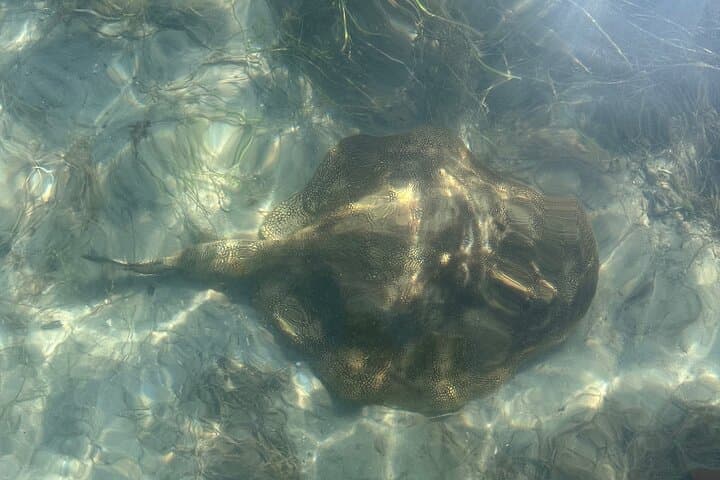
Seagrass beds and manatees are sensitive—use reef‑safe products, stay out of roped-off zones, and pack out all trash to protect habitat.
Paddle Paradise operates guided outdoor trips and adventures with an emphasis on safety, stewardship, and memorable experiences.
The blue spit of the Atlantic presses at the break, and you push off from under the Blue Heron Bridge with the motor noise behind you and a cooler between two boards. The water moves like a low-voiced guide—nudging, holding, moving you toward Peanut Island’s sandy edge where the island’s concrete bunker looks out like an old watchful guest.
The blue spit of the Atlantic presses at the break, and you push off from under the Blue Heron Bridge with the motor noise behind you and a cooler between two boards. The water moves like a low-voiced guide—nudging, holding, moving you toward Peanut Island’s sandy edge where the island’s concrete bunker looks out like an old watchful guest.
Peanut Island is a man-made spit created from dredged material; its mid-century Cold War bunker, built as a safe house for presidential visits, now reads as a curious human layer on a salt-slick landscape. Geology here is simple: tidal channels and reclaimed sand laid over limestone shelf, where currents carve channels and seagrass beds hold the shoreline together. The culture is maritime and relaxed—fishermen, divers at the Blue Heron Bridge, and families who treat the island like a short, sweet escape.
Expect easy, flat-water paddling across protected inlet waters with occasional boat traffic. The picnic package supplies boards, life jackets, whistle, dry bag and an eco cooler—so the trip becomes as much about the view and the food as the paddle. Time your crossing for incoming light or slack tide, wear reef-safe sunscreen, and tuck valuables into the provided dry bag; the wind can turn an hourglass quickly.
Practical tips: check tide and wind forecasts, arrive early for limited parking at Phil Foster Park, and respect manatee zones and seagrass—your soft paddle strokes leave less trace. This two-hour outing is ideal for couples, small groups, or families looking for an accessible waterborne picnic with a clear shoreline history and hands-on local flavor.