THE ADVENTURE COLLECTIVE® · Independent discovery and booking for outdoor travel

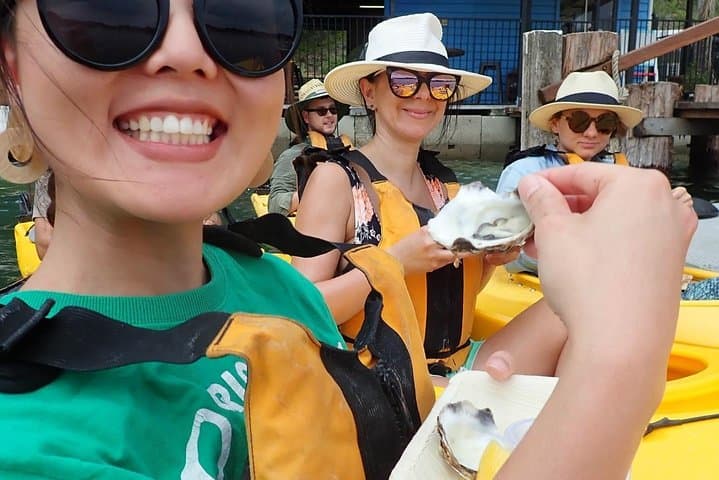
Paddle calm waters of the Clyde River with fourth-generation oyster farmers, taste oysters shucked that morning, and learn hands-on cultivation techniques on this easy two‑hour estuary kayak tour.
Paddle calm waters of the Clyde River with fourth-generation oyster farmers, taste oysters shucked that morning, and learn hands-on cultivation techniques on this easy two‑hour estuary kayak tour.
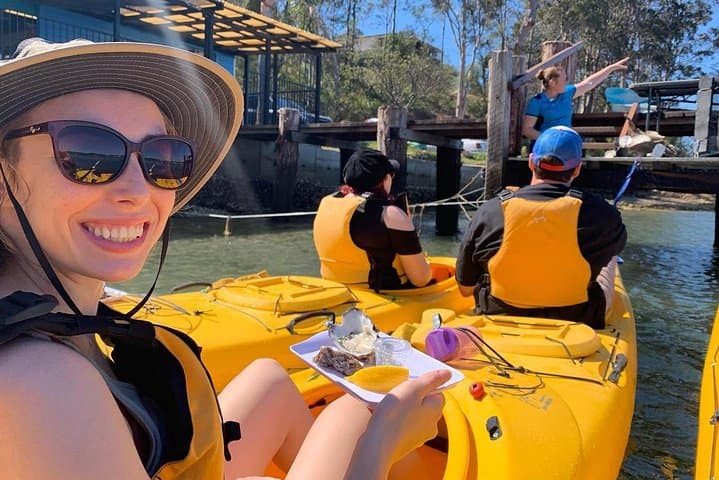
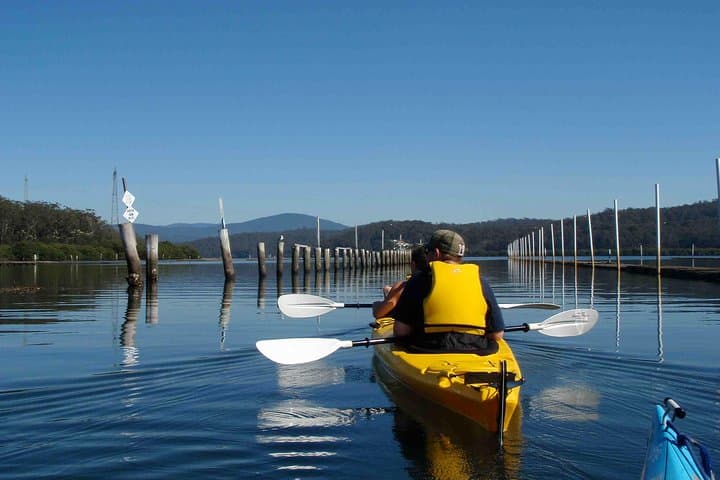
The Clyde River wakes slowly under the Batemans Bay bridge — glassy, shallow channels threading between oyster racks as morning light edges over saltmarsh. You push off in a stable double kayak, the paddle whispering; ahead, the Oyster Shed on Wray Street unfurls its working story: a family-run operation, racks and gondolas, and the distinct brine of oysters shucked that same morning.
Verified experiences and guided adventures in the surrounding area.
Operated by Region X · Batemans Bay, New South Wales
The Clyde River wakes slowly under the Batemans Bay bridge — glassy, shallow channels threading between oyster racks as morning light edges over saltmarsh. You push off in a stable double kayak, the paddle whispering; ahead, the Oyster Shed on Wray Street unfurls its working story: a family-run operation, racks and gondolas, and the distinct brine of oysters shucked that same morning.
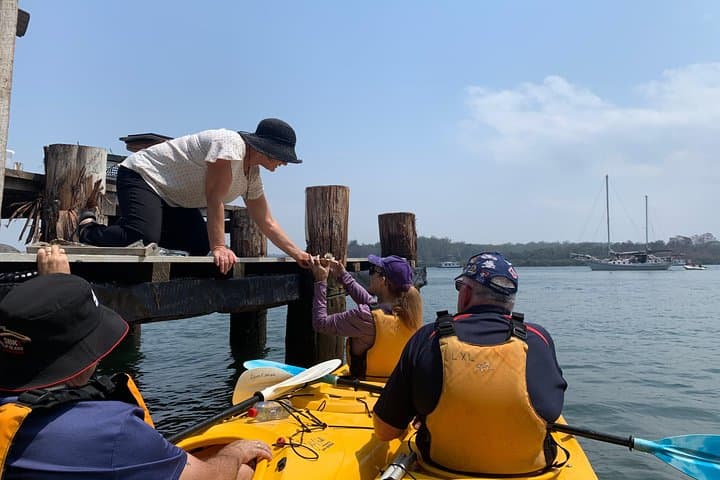
This short estuary tour lays out local history and geology as plainly as the river does. The Clyde estuary is a drowned river valley carved by sea-level rise and fed by nutrient-rich freshwater, creating ideal conditions for Sydney rock and Pacific oysters. Oyster farming here is multi-generational and intimately tied to Batemans Bay’s maritime culture — you’ll hear about spat collection, rack-and-bag techniques, and the Australias Oyster Coast initiative that raised the region’s profile.
After a guided tasting and a primer on cultivation, the route floats through working leases and packing sheds within easy paddling distance of the bridge. Expect calm water, occasional boat traffic, and close-up views of aquaculture infrastructure rather than remote wilderness.
Practical side: the experience suits beginners and families, lasts about two hours, and includes all equipment and a guided demonstration. Bring reef or water shoes, sun protection, and a small dry bag. If you’re sensitive to salt spray or motion, pick a still morning. There are accessible options at the meeting point; oysters are available for purchase on-site if you want to take the taste home.
easy.
2 hours.
Suitable for all fitness levels — basic paddling ability and the ability to get in/out of a low kayak required.
The experience runs about two hours from equipment briefing to return at the meeting point.
Yes — the tour includes an oyster tasting and a farming demonstration; extra oysters are available to purchase.
Yes — the kayaks are stable doubles and the activity is rated easy; children must be accompanied by an adult.
Tours may be canceled for strong winds or unsafe conditions; you’ll receive full refund if canceled at least 24 hours before departure per policy.
Batemans Bay’s oyster industry spans generations; farms on the Clyde River use rack-and-bag and long-line methods developed locally over decades.
Operators emphasize low-impact farming and proper waste disposal; stay in designated channels to avoid damaging leases and sensitive shorelines.
Region X operates guided outdoor trips and adventures with an emphasis on safety, stewardship, and memorable experiences.
The Clyde River wakes slowly under the Batemans Bay bridge — glassy, shallow channels threading between oyster racks as morning light edges over saltmarsh. You push off in a stable double kayak, the paddle whispering; ahead, the Oyster Shed on Wray Street unfurls its working story: a family-run operation, racks and gondolas, and the distinct brine of oysters shucked that same morning.
The Clyde River wakes slowly under the Batemans Bay bridge — glassy, shallow channels threading between oyster racks as morning light edges over saltmarsh. You push off in a stable double kayak, the paddle whispering; ahead, the Oyster Shed on Wray Street unfurls its working story: a family-run operation, racks and gondolas, and the distinct brine of oysters shucked that same morning.
This short estuary tour lays out local history and geology as plainly as the river does. The Clyde estuary is a drowned river valley carved by sea-level rise and fed by nutrient-rich freshwater, creating ideal conditions for Sydney rock and Pacific oysters. Oyster farming here is multi-generational and intimately tied to Batemans Bay’s maritime culture — you’ll hear about spat collection, rack-and-bag techniques, and the Australias Oyster Coast initiative that raised the region’s profile.
After a guided tasting and a primer on cultivation, the route floats through working leases and packing sheds within easy paddling distance of the bridge. Expect calm water, occasional boat traffic, and close-up views of aquaculture infrastructure rather than remote wilderness.
Practical side: the experience suits beginners and families, lasts about two hours, and includes all equipment and a guided demonstration. Bring reef or water shoes, sun protection, and a small dry bag. If you’re sensitive to salt spray or motion, pick a still morning. There are accessible options at the meeting point; oysters are available for purchase on-site if you want to take the taste home.