THE ADVENTURE COLLECTIVE® · Independent discovery and booking for outdoor travel

Paddle from Tamarindo to Capitan Island, the lone volcanic islet within Las Baulas National Park, then snorkel clear reefs and explore lava-formed shorelines. This three-hour excursion combines short ocean crossings with tide-pool exploration and wildlife viewing.
Paddle from Tamarindo to Capitan Island, the lone volcanic islet within Las Baulas National Park, then snorkel clear reefs and explore lava-formed shorelines. This three-hour excursion combines short ocean crossings with tide-pool exploration and wildlife viewing.
The day begins on Tamarindo Beach with salt on your lips and kayaks lined like small promises against the surf. A short safety briefing, a practiced paddle stroke, and the shoreline slips away as the ocean dares you toward a speck of volcanic rock: Capitan Island.
Verified experiences and guided adventures in the surrounding area.
Operated by Sol Eco Adventures · Tamarindo, Guanacaste
The day begins on Tamarindo Beach with salt on your lips and kayaks lined like small promises against the surf. A short safety briefing, a practiced paddle stroke, and the shoreline slips away as the ocean dares you toward a speck of volcanic rock: Capitan Island.
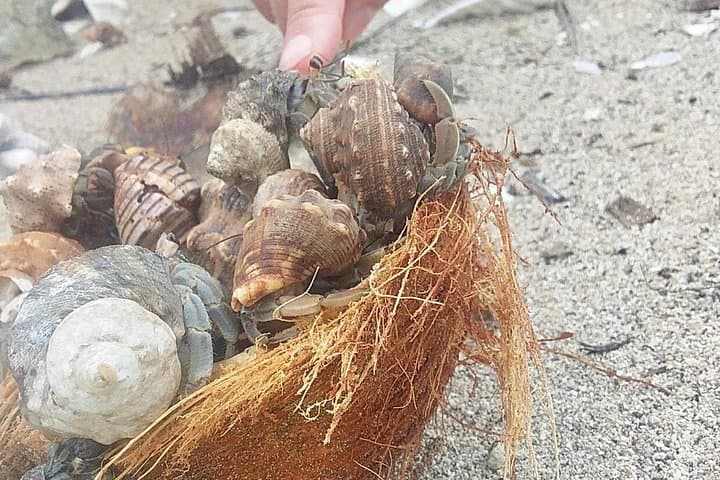
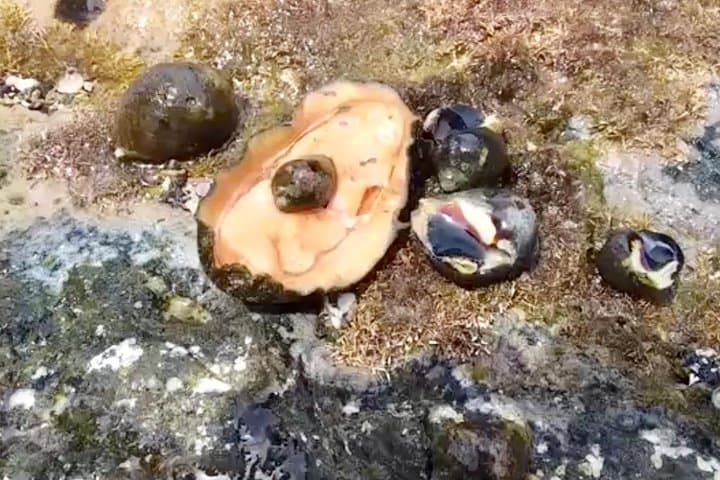
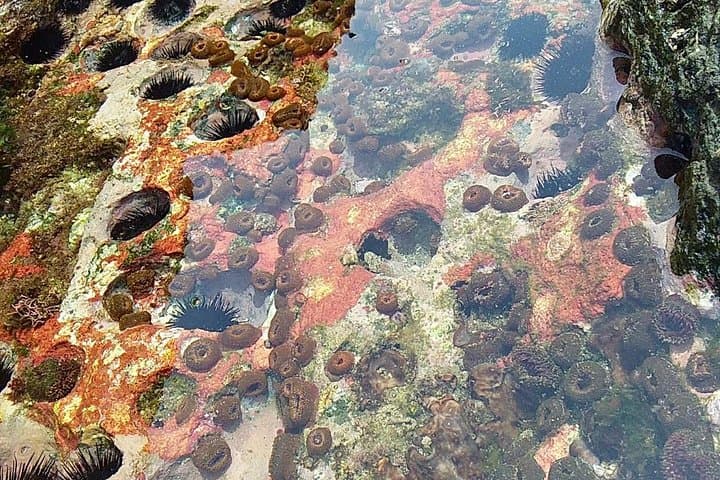
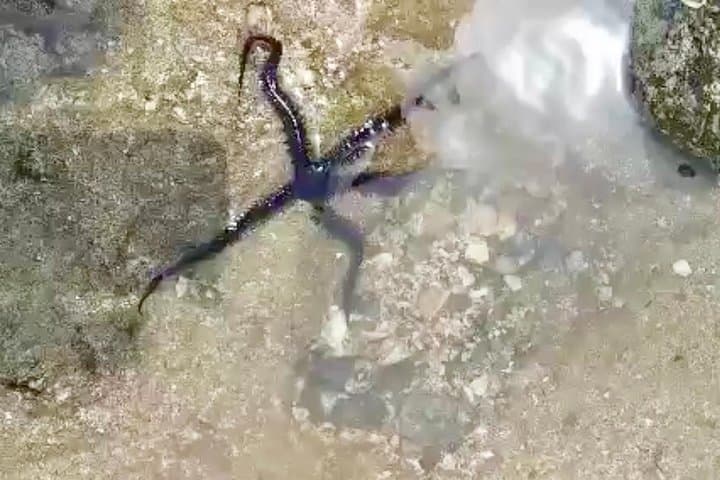
Capitan Island is the only island inside Las Baulas National Park, formed by lava flows that meet the sea. Its black rock fields give way to white sand pockets and hardy vegetation — agave and coastal cacti that tolerate wind and spray. The island sits within a coastal corridor important for leatherback turtles and migratory seabirds, and the shallow reefs and tide pools show a compact cross-section of Pacific shorelife: brittle stars, sea urchins and schooling reef fish.
Culturally, this stretch of Guanacaste has been shaped by fishing, surf tourism and conservation efforts centered on protecting nesting beaches. On the island you’ll walk among lava formations and small blowholes, then slip into clear water to snorkel a few sheltered points where fish are abundant and coral fingers survive the surge.
Practical notes: the trip is roughly three hours round trip with about 25 minutes of paddling each way. Expect sandy landings, some short rock scrambling, and snorkeling in shallow reefs — a moderate level of fitness and basic swimming comfort are required. Bring reef-safe sunscreen, a snug mask, water shoes, and a waterproof bag for valuables. Timing your departure in the morning reduces wind and maximizes visibility underwater. Follow guides’ instructions around nesting areas and fragile pools to keep this small island wild for years to come.
moderate.
3 hours.
You should have a moderate level of fitness: able to paddle for 20–30 minutes, swim comfortably, and manage short rock scrambles.
Yes—guides cover basic technique and safety; you should be comfortable following instruction and able to sit in a kayak for about 60–90 minutes total.
You should be comfortable in the water and able to swim short distances; flotation vests are provided for snorkeling and kayaking.
Leatherback turtles nest in Las Baulas, but sightings at sea are sporadic; more commonly you’ll see reef fish, crabs, and seabirds.
Trips cancel for bad weather; for full refund cancel at least 24 hours prior according to the operator’s standard policy, and guides will make safety calls if seas are rough.
The island is volcanic in origin and lies within Las Baulas National Park, an area protected for its important turtle nesting beaches and coastal ecosystems.
Operators emphasize reef-safe sunscreen and minimal disturbance of tide pools; staying on sand and marked trails helps protect fragile intertidal habitats.
Sol Eco Adventures operates guided outdoor trips and adventures with an emphasis on safety, stewardship, and memorable experiences.
The day begins on Tamarindo Beach with salt on your lips and kayaks lined like small promises against the surf. A short safety briefing, a practiced paddle stroke, and the shoreline slips away as the ocean dares you toward a speck of volcanic rock: Capitan Island.
The day begins on Tamarindo Beach with salt on your lips and kayaks lined like small promises against the surf. A short safety briefing, a practiced paddle stroke, and the shoreline slips away as the ocean dares you toward a speck of volcanic rock: Capitan Island.
Capitan Island is the only island inside Las Baulas National Park, formed by lava flows that meet the sea. Its black rock fields give way to white sand pockets and hardy vegetation — agave and coastal cacti that tolerate wind and spray. The island sits within a coastal corridor important for leatherback turtles and migratory seabirds, and the shallow reefs and tide pools show a compact cross-section of Pacific shorelife: brittle stars, sea urchins and schooling reef fish.
Culturally, this stretch of Guanacaste has been shaped by fishing, surf tourism and conservation efforts centered on protecting nesting beaches. On the island you’ll walk among lava formations and small blowholes, then slip into clear water to snorkel a few sheltered points where fish are abundant and coral fingers survive the surge.
Practical notes: the trip is roughly three hours round trip with about 25 minutes of paddling each way. Expect sandy landings, some short rock scrambling, and snorkeling in shallow reefs — a moderate level of fitness and basic swimming comfort are required. Bring reef-safe sunscreen, a snug mask, water shoes, and a waterproof bag for valuables. Timing your departure in the morning reduces wind and maximizes visibility underwater. Follow guides’ instructions around nesting areas and fragile pools to keep this small island wild for years to come.