THE ADVENTURE COLLECTIVE® · Independent discovery and booking for outdoor travel

Take a morning run down the Pacuare from Turrialba and you’ll go from paddle-straight rapids to a jungle waterfall in a single day. This half-day trip balances beginner-friendly whitewater with wildlife, a guided waterfall walk, and riverside lunch.
Take a morning run down the Pacuare from Turrialba and you’ll go from paddle-straight rapids to a jungle waterfall in a single day. This half-day trip balances beginner-friendly whitewater with wildlife, a guided waterfall walk, and riverside lunch.
The raft settles into the current and the Pacuare takes the lead. Spray throws light like beads; the river, impatient and bright, pushes you through narrows carved from volcanic rock and broad, leafy bends where the rainforest leans in close. Guides call the commands with clipped certainty while the valley answers with the cry of howler monkeys and the rustle of heliconias. By the time you hike to a hidden waterfall and peel off your PFD, the sun has threaded shafts through the canopy and the jungle smells of wet stone and green sap.
Verified experiences and guided adventures in the surrounding area.
Operated by Travesias Naturales · Turrialba, Cartago
The raft settles into the current and the Pacuare takes the lead. Spray throws light like beads; the river, impatient and bright, pushes you through narrows carved from volcanic rock and broad, leafy bends where the rainforest leans in close. Guides call the commands with clipped certainty while the valley answers with the cry of howler monkeys and the rustle of heliconias. By the time you hike to a hidden waterfall and peel off your PFD, the sun has threaded shafts through the canopy and the jungle smells of wet stone and green sap.
The Pacuare is famous for good reason: it slices a deep corridor from the central highlands toward the Caribbean, its bed shaped over millennia by volcanic uplift and torrential rains. Indigenous Huetar tribes once used paths along its banks; during the coffee boom of the 19th century, the river’s gorge was a route for timber and tales. Today it’s prized for both adrenaline and biodiversity — a riparian highway where toucans and river otters share a corridor with rare trees.
This half-day run mixes class II–III rapids suitable for beginners with a few playful technical sections that give intermediate paddlers a thrill without turning the morning into a showdown. Expect roughly 8–12 kilometers of river time depending on water level — a drop that feels significant but is managed by experienced guides carrying Costa Rica’s tourism declaration and local knowledge. The trip also includes a short jungle walk to a plunge pool and a riverside lunch that tastes sharper for the work it follows.
Practical details matter here. Meet at Natural Travesías Naturales’ office in Turrialba at 7:00 a.m.; pickups are available from nearby hotels. Bring water shoes, a change of clothes, reef-safe sunscreen, and a thin rain shell—tropical weather can flip quickly. The company supplies helmets, PFDs, safety briefings, and private transport. Photographers often ride along as an add-on service, but carry a dry bag for your own valuables and cash for tips.
Choose morning departures to catch lower winds and clearer light, and plan for wet, muddy trails on the waterfall hike. The route is family-friendly but not suitable for travelers with spinal, heart, or pregnancy concerns. Leave single-use plastics behind when you can: the guides emphasize leave-no-trace practices and work with local reforestation programs aimed at protecting riverbanks.
At the end of the run you’ll understand why the Pacuare is considered one of the world’s most beautiful rivers: it challenges you, then rewards you with a quiet pool and the insistently green world that grows beside it.
moderate.
6–8 hours (full tour, including transport and waterfall walk).
Moderate fitness — able to paddle for short bursts, climb slippery banks, and walk up to 15 minutes on uneven jungle trails.
The river run typically covers about 8–12 km and lasts 30–90 minutes depending on water level; the full tour with transport, a waterfall walk, and lunch runs about 6–8 hours.
Expect mostly class II–III rapids: fun and splashy with a few technical moves guided by experienced river leaders.
Yes, the operator markets the tour as family-friendly, but children should be comfortable in water and wear appropriate flotation—check age limits with the supplier.
Photography is offered as an additional service by the guide team; bring a dry bag if you want to keep your own camera or phone safe.
Yes—pickups from hotels in and around Turrialba are available; the meeting point is their office at 7:00 a.m. if you prefer to meet there.
This trip is not recommended for travelers with spinal injuries, heart conditions, or pregnancy due to the physical nature of rafting and the possibility of abrupt movements.
The Pacuare corridor was used historically by indigenous groups and later by loggers and coffee transporters; its modern reputation as an adventure river grew in the late 20th century as ecotourism expanded.
Local outfitters participate in riverbank reforestation and community-based tourism initiatives; visitors are encouraged to use reef-safe products and minimize waste to protect fragile riparian ecosystems.
Travesias Naturales operates guided outdoor trips and adventures with an emphasis on safety, stewardship, and memorable experiences.
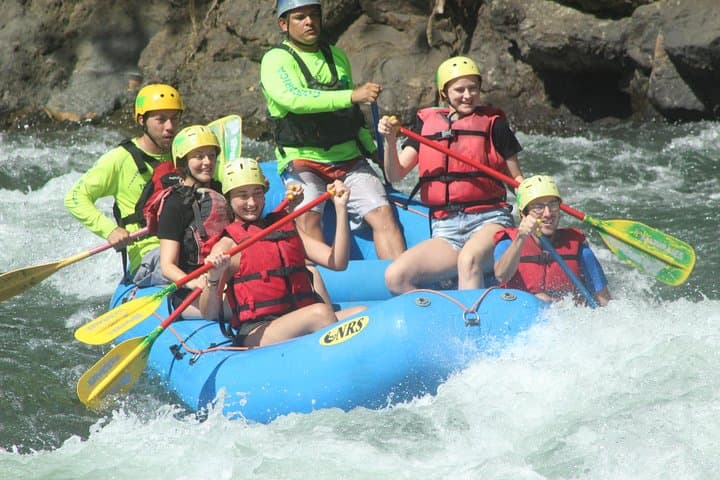
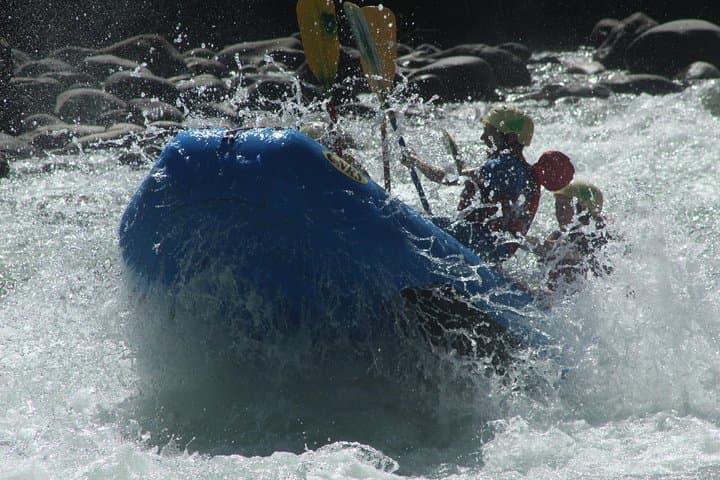
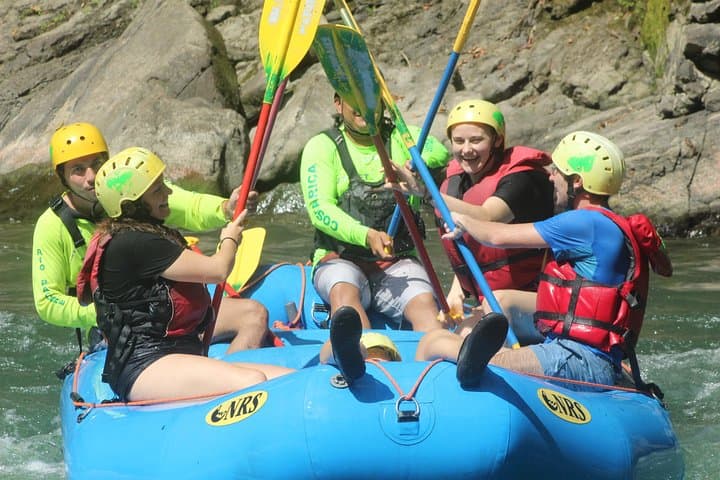
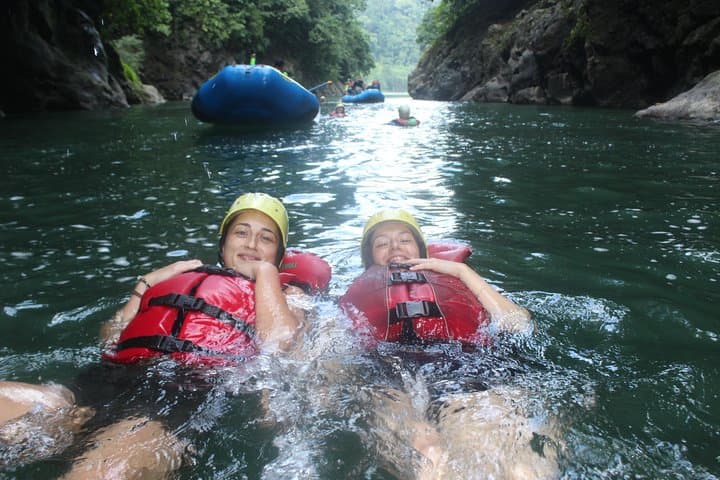
The raft settles into the current and the Pacuare takes the lead. Spray throws light like beads; the river, impatient and bright, pushes you through narrows carved from volcanic rock and broad, leafy bends where the rainforest leans in close. Guides call the commands with clipped certainty while the valley answers with the cry of howler monkeys and the rustle of heliconias. By the time you hike to a hidden waterfall and peel off your PFD, the sun has threaded shafts through the canopy and the jungle smells of wet stone and green sap.
The raft settles into the current and the Pacuare takes the lead. Spray throws light like beads; the river, impatient and bright, pushes you through narrows carved from volcanic rock and broad, leafy bends where the rainforest leans in close. Guides call the commands with clipped certainty while the valley answers with the cry of howler monkeys and the rustle of heliconias. By the time you hike to a hidden waterfall and peel off your PFD, the sun has threaded shafts through the canopy and the jungle smells of wet stone and green sap.
The Pacuare is famous for good reason: it slices a deep corridor from the central highlands toward the Caribbean, its bed shaped over millennia by volcanic uplift and torrential rains. Indigenous Huetar tribes once used paths along its banks; during the coffee boom of the 19th century, the river’s gorge was a route for timber and tales. Today it’s prized for both adrenaline and biodiversity — a riparian highway where toucans and river otters share a corridor with rare trees.
This half-day run mixes class II–III rapids suitable for beginners with a few playful technical sections that give intermediate paddlers a thrill without turning the morning into a showdown. Expect roughly 8–12 kilometers of river time depending on water level — a drop that feels significant but is managed by experienced guides carrying Costa Rica’s tourism declaration and local knowledge. The trip also includes a short jungle walk to a plunge pool and a riverside lunch that tastes sharper for the work it follows.
Practical details matter here. Meet at Natural Travesías Naturales’ office in Turrialba at 7:00 a.m.; pickups are available from nearby hotels. Bring water shoes, a change of clothes, reef-safe sunscreen, and a thin rain shell—tropical weather can flip quickly. The company supplies helmets, PFDs, safety briefings, and private transport. Photographers often ride along as an add-on service, but carry a dry bag for your own valuables and cash for tips.
Choose morning departures to catch lower winds and clearer light, and plan for wet, muddy trails on the waterfall hike. The route is family-friendly but not suitable for travelers with spinal, heart, or pregnancy concerns. Leave single-use plastics behind when you can: the guides emphasize leave-no-trace practices and work with local reforestation programs aimed at protecting riverbanks.
At the end of the run you’ll understand why the Pacuare is considered one of the world’s most beautiful rivers: it challenges you, then rewards you with a quiet pool and the insistently green world that grows beside it.