THE ADVENTURE COLLECTIVE® · Independent discovery and booking for outdoor travel

Two days on the Pacuare combine adrenaline on Class II–IV rapids with a night in a rainforest lodge. This guide outlines what to expect—terrain, wildlife, and practical tips to prepare for a wet, wild canyon descent.
Two days on the Pacuare combine adrenaline on Class II–IV rapids with a night in a rainforest lodge. This guide outlines what to expect—terrain, wildlife, and practical tips to prepare for a wet, wild canyon descent.
The morning opens with a drive out of San José, coffee on the dash, and the jungle rising in tiers as the Pacuare River appears below—fast, dark, and intent. You switch from road to raft and feel the river pull you into the canyon: the first day eases you into Class II–III drops, the second day pushes through Class III–IV runs where water threads rock and roots and the rapids seem to dare you onward.
Verified experiences and guided adventures in the surrounding area.
Operated by Tropical Rivers · Siquirres, Limón
The morning opens with a drive out of San José, coffee on the dash, and the jungle rising in tiers as the Pacuare River appears below—fast, dark, and intent. You switch from road to raft and feel the river pull you into the canyon: the first day eases you into Class II–III drops, the second day pushes through Class III–IV runs where water threads rock and roots and the rapids seem to dare you onward.
The Pacuare cuts through volcanic foothills and old-growth rainforest, a corridor with soils shaped by eruptions and centuries of tropical erosion. Indigenous Bribri and Cabécar peoples lived in the region long before rafting companies mapped runs; today small lodges on river beaches blend basic comfort with low-impact operations.
Expect a blend of geology and birdlife—steep gorge walls, braided channels after rains, and vocal canopy species like toucans and oropendolas. Guides usually stop at sandy river beaches for fresh Costa Rican lunches and brief jungle hikes to nearby waterfall pools.
Practical notes: the trip is multi-day and moderately physical—prepare for long boat seats, sudden drops, and wet gear. The lodge provides rooms and most meals; bring quick-dry clothing, secure footwear, and a small dry bag for essentials. Hydrate well and follow guide briefings—swimming ability and comfort with moving water are required.
Timing matters: higher flows after rains make rapids harder but scenery richer; dry months offer clearer skies and easier portages. Leave valuables in San José or the secure meeting-point parking; on-river, pack light, stay attentive, and let the Pacuare push and guide you through one of Costa Rica’s most immediate wild rides.
challenging.
2 days (approx. 48 hours).
Moderate to fit: should be able to paddle, brace in rapids, and manage stairs or short hikes at the lodge.
No formal experience required, but you should be comfortable in moving water, able to follow commands, and reasonably fit for paddling and brief hikes.
Operators supply helmets, personal flotation devices (PFDs), and paddles; guides run safety briefings and lead rescues if needed.
The tour includes one night at a jungle lodge on the riverbank with basic private rooms, shared facilities, and meals included.
Most tours offer pickup from San José hotels; you can also drive to the designated meeting/parking point where vehicles are secured while you raft.
The Pacuare corridor cuts through lands historically used by Bribri and Cabécar communities and later by small coffee and banana settlements that shaped regional access routes.
Several lodges and outfitters support watershed protection and reforestation efforts; visitors are encouraged to minimize waste and stay on marked trails.
Tropical Rivers operates guided outdoor trips and adventures with an emphasis on safety, stewardship, and memorable experiences.
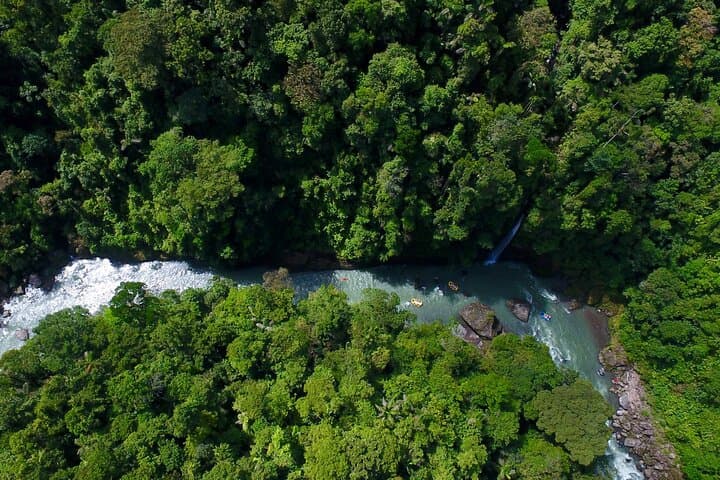
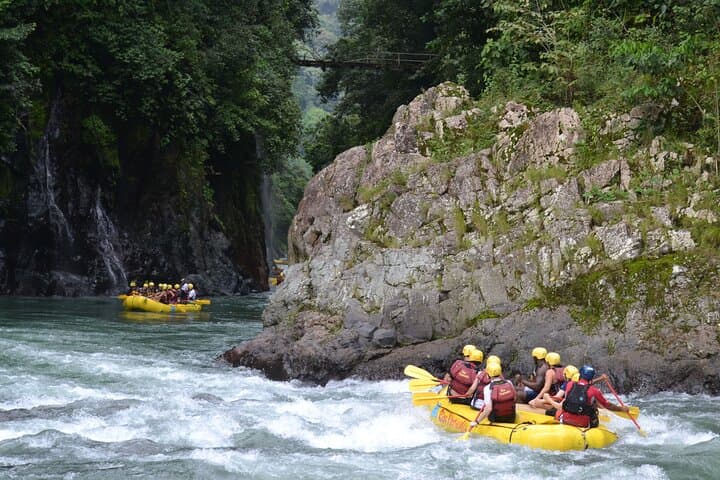
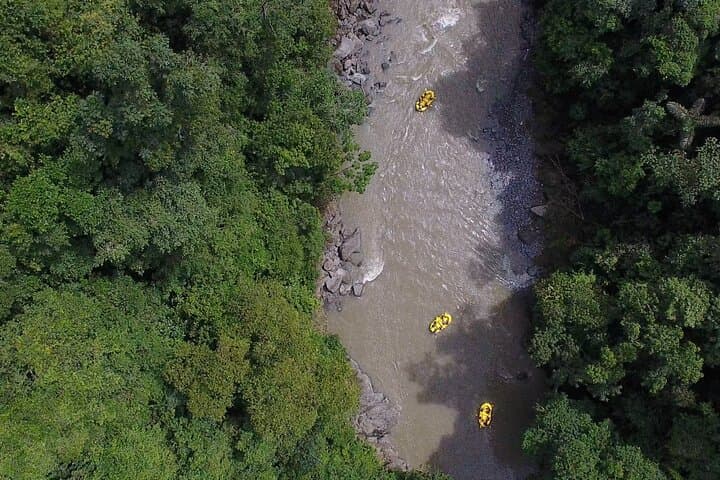
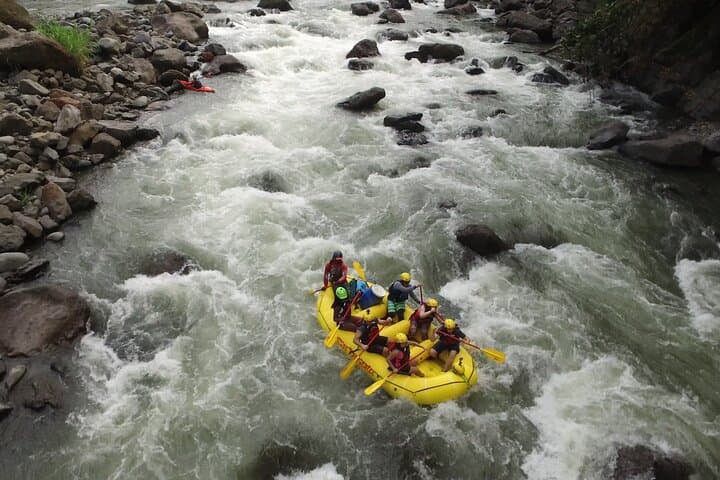
The morning opens with a drive out of San José, coffee on the dash, and the jungle rising in tiers as the Pacuare River appears below—fast, dark, and intent. You switch from road to raft and feel the river pull you into the canyon: the first day eases you into Class II–III drops, the second day pushes through Class III–IV runs where water threads rock and roots and the rapids seem to dare you onward.
The morning opens with a drive out of San José, coffee on the dash, and the jungle rising in tiers as the Pacuare River appears below—fast, dark, and intent. You switch from road to raft and feel the river pull you into the canyon: the first day eases you into Class II–III drops, the second day pushes through Class III–IV runs where water threads rock and roots and the rapids seem to dare you onward.
The Pacuare cuts through volcanic foothills and old-growth rainforest, a corridor with soils shaped by eruptions and centuries of tropical erosion. Indigenous Bribri and Cabécar peoples lived in the region long before rafting companies mapped runs; today small lodges on river beaches blend basic comfort with low-impact operations.
Expect a blend of geology and birdlife—steep gorge walls, braided channels after rains, and vocal canopy species like toucans and oropendolas. Guides usually stop at sandy river beaches for fresh Costa Rican lunches and brief jungle hikes to nearby waterfall pools.
Practical notes: the trip is multi-day and moderately physical—prepare for long boat seats, sudden drops, and wet gear. The lodge provides rooms and most meals; bring quick-dry clothing, secure footwear, and a small dry bag for essentials. Hydrate well and follow guide briefings—swimming ability and comfort with moving water are required.
Timing matters: higher flows after rains make rapids harder but scenery richer; dry months offer clearer skies and easier portages. Leave valuables in San José or the secure meeting-point parking; on-river, pack light, stay attentive, and let the Pacuare push and guide you through one of Costa Rica’s most immediate wild rides.