THE ADVENTURE COLLECTIVE® · Independent discovery and booking for outdoor travel

Hike the braided Knik River to the glacier terminus, then inflate packrafts to float among icebergs on the terminus lake. This hike-and-float pairs route-finding on an outwash plain with beginner-friendly paddling and glacier-side views.
Hike the braided Knik River to the glacier terminus, then inflate packrafts to float among icebergs on the terminus lake. This hike-and-float pairs route-finding on an outwash plain with beginner-friendly paddling and glacier-side views.
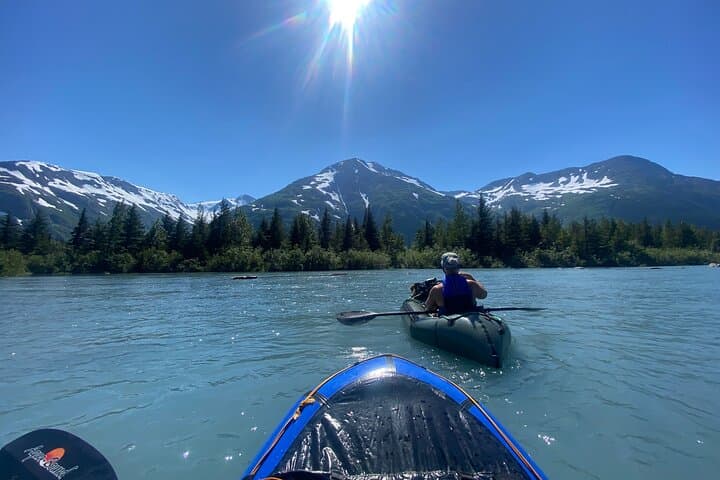
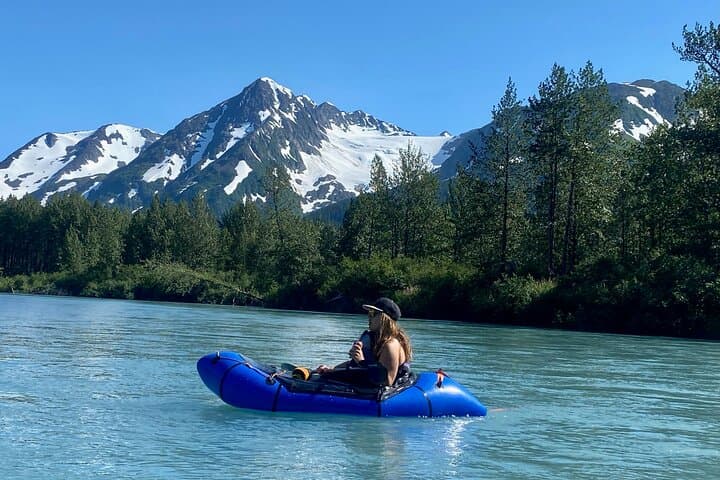
You step onto a braided riverbed and the valley opens—cold air moving off banded ice, the Knik River daring you to follow its channels. The hike toward the glacier’s terminus is more route-finding than trail, a wide, stony plain framed by jagged ridgelines and the blue-white face of Knik Glacier. At the lake beneath the terminus, icebergs bob like slow, honest ships; you’ll eat lunch here, then inflate a packraft and learn the small, efficient art of paddling a boat designed for Alaska’s mixed terrain.
Verified experiences and guided adventures in the surrounding area.
Operated by Northern Sun Tours · Wasilla, Alaska
You step onto a braided riverbed and the valley opens—cold air moving off banded ice, the Knik River daring you to follow its channels. The hike toward the glacier’s terminus is more route-finding than trail, a wide, stony plain framed by jagged ridgelines and the blue-white face of Knik Glacier. At the lake beneath the terminus, icebergs bob like slow, honest ships; you’ll eat lunch here, then inflate a packraft and learn the small, efficient art of paddling a boat designed for Alaska’s mixed terrain.
Knik Glacier drains the Chugach front range and has shifted dramatically since the Little Ice Age; the braided river and broad outwash plain are geological records—moraine ridges, melt channels, and recent lake basins carved by retreating ice. Indigenous Dena'ina and Ahtna peoples have long known these valleys; more recently, packrafting emerged as a practical response to Alaska’s mosaic of hikeable and floatable corridors.
Expect open, low-angle hiking along gravel bars with occasional shallow crossings; vegetation is sparse near the outwash but spruce and willow edge the valley farther downstream. Wildlife sightings are possible—moose browse willow thickets and Dall sheep pick high talus.
Practical notes: bring layered waterproof clothing, non-cotton base layers, and sturdy boots that drain; instructors supply packrafts, PFDs, and paddles and will run safety drills before launch. Plan for variable weather and cold water—hypothermia is the real hazard here. Aim for calm wind windows to paddle among bergs, and leave no trace: these are fragile post-glacial landscapes.
moderate.
4–6 hours.
Good aerobic fitness and comfort hiking over uneven, wet gravel for several hours; ability to carry a small daypack.
No—this is an introductory packrafting trip; guides provide instruction and practice in a sheltered lake before river sections.
Moderate fitness is required: you should be comfortable walking over uneven gravel for a few miles and handling short shallow river crossings.
You’ll hike to the terminus lake and paddle near icebergs, but guides maintain safe distances from the glacier face to avoid calving hazards.
Yes—black bears may occur. Guides follow bear-aware protocols and carry safety gear; stay with the group and follow instructions.
Knik Glacier and valley record post–Little Ice Age retreat; the outwash plain and braided channels reveal decades of melt and sediment transport important to local Indigenous travel routes.
Stick to durable surfaces on the outwash, pack out all waste, and avoid approaching ice near the terminus—glacial lakes and shorelines are sensitive to trampling and disturbance.
Northern Sun Tours operates guided outdoor trips and adventures with an emphasis on safety, stewardship, and memorable experiences.


You step onto a braided riverbed and the valley opens—cold air moving off banded ice, the Knik River daring you to follow its channels. The hike toward the glacier’s terminus is more route-finding than trail, a wide, stony plain framed by jagged ridgelines and the blue-white face of Knik Glacier. At the lake beneath the terminus, icebergs bob like slow, honest ships; you’ll eat lunch here, then inflate a packraft and learn the small, efficient art of paddling a boat designed for Alaska’s mixed terrain.
You step onto a braided riverbed and the valley opens—cold air moving off banded ice, the Knik River daring you to follow its channels. The hike toward the glacier’s terminus is more route-finding than trail, a wide, stony plain framed by jagged ridgelines and the blue-white face of Knik Glacier. At the lake beneath the terminus, icebergs bob like slow, honest ships; you’ll eat lunch here, then inflate a packraft and learn the small, efficient art of paddling a boat designed for Alaska’s mixed terrain.
Knik Glacier drains the Chugach front range and has shifted dramatically since the Little Ice Age; the braided river and broad outwash plain are geological records—moraine ridges, melt channels, and recent lake basins carved by retreating ice. Indigenous Dena'ina and Ahtna peoples have long known these valleys; more recently, packrafting emerged as a practical response to Alaska’s mosaic of hikeable and floatable corridors.
Expect open, low-angle hiking along gravel bars with occasional shallow crossings; vegetation is sparse near the outwash but spruce and willow edge the valley farther downstream. Wildlife sightings are possible—moose browse willow thickets and Dall sheep pick high talus.
Practical notes: bring layered waterproof clothing, non-cotton base layers, and sturdy boots that drain; instructors supply packrafts, PFDs, and paddles and will run safety drills before launch. Plan for variable weather and cold water—hypothermia is the real hazard here. Aim for calm wind windows to paddle among bergs, and leave no trace: these are fragile post-glacial landscapes.