THE ADVENTURE COLLECTIVE® · Independent discovery and booking for outdoor travel

Climb Pachnes (2454 m), the high alpine crown of Crete’s White Mountains. This full-day guided hike from Chania mixes limestone ridges, pastoral history and sweeping sea vistas—expect exposed terrain and rewarding summit views.
Climb Pachnes (2454 m), the high alpine crown of Crete’s White Mountains. This full-day guided hike from Chania mixes limestone ridges, pastoral history and sweeping sea vistas—expect exposed terrain and rewarding summit views.
You start before dawn on the road out of Chania, headlights cutting through cool air as the car winds toward the south coast. The road slides past sea-scrub terraces and then climbs into the stone ribs of the Lefka Ori; by the time you park near 1,900 m the world feels pared down to sun, rock and wind.
Verified experiences and guided adventures in the surrounding area.
Operated by Pari Vigli · Chania, Crete
You start before dawn on the road out of Chania, headlights cutting through cool air as the car winds toward the south coast. The road slides past sea-scrub terraces and then climbs into the stone ribs of the Lefka Ori; by the time you park near 1,900 m the world feels pared down to sun, rock and wind.
Pachnes (often spelled Pahnes) is the second-highest summit on Crete’s White Mountains and the high point of a rugged alpine zone carved from limestone. The range’s karst plateaus and steep cirques shaped centuries of shepherding and seasonal grazing; local villages such as Anopolis still keep those pastoral traditions alive and offer the hospitality hikers rely on after a long day.
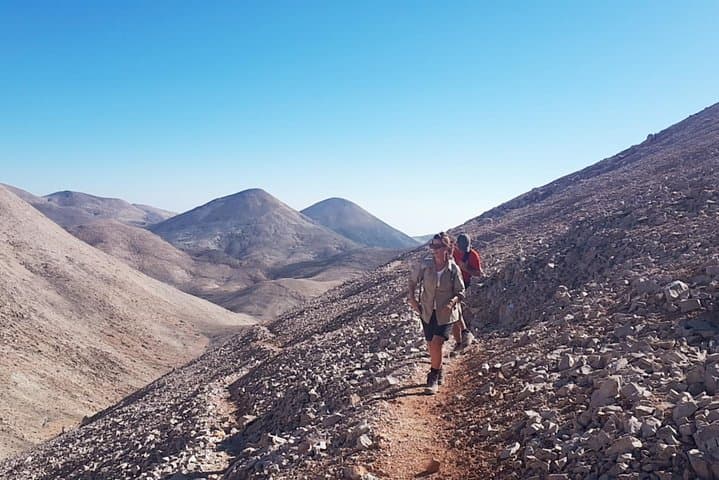
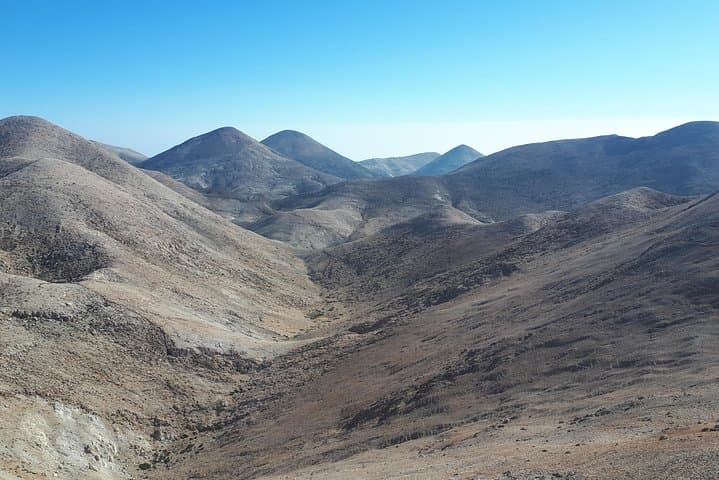
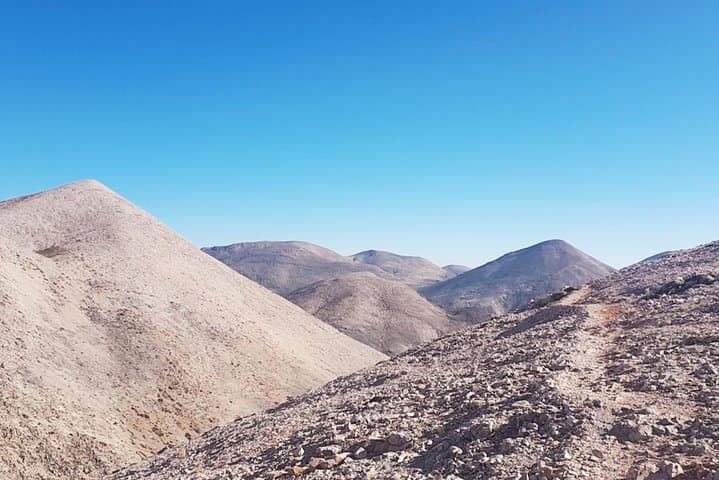
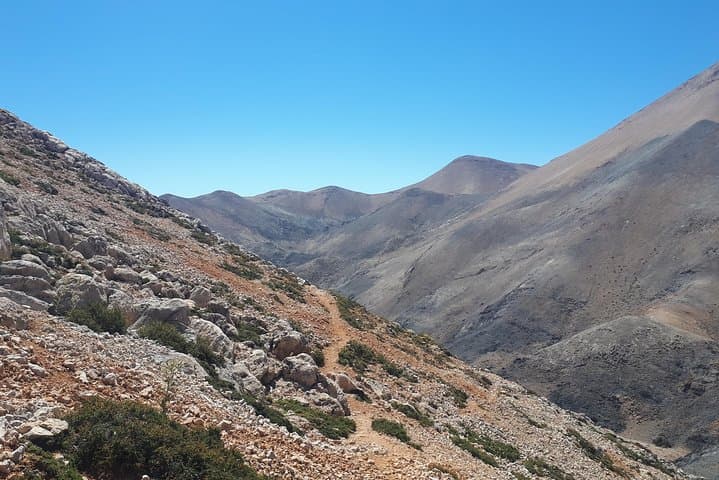
Geology here favors sharp ridgelines, short grassy benches and exposed slabs—expect rocky trails, loose scree and panoramic drops toward the Libyan Sea. The route offered by local guides typically rises about 500–600 m in roughly two hours from the high parking area, then returns by the same route.
Practical notes: go with layered clothing for strong sun and sudden wind, use sturdy boots and poles for loose talus, and carry at least 2–3 L of water. The trail is unshaded at higher elevations and navigation can be tricky in cloud; a guide and private transport from Chania shorten the approach and provide local context. Expect a full-day outing (around 6 hours total) with moderate to challenging terrain; it’s a rewarding, exposed alpine experience with historic mountain culture and wide sea views to match.
challenging.
6–7 hours.
Suitable for hikers with good aerobic fitness and experience on rocky, exposed trails; comfortable with sustained uphill and uneven footing.
Expect roughly 500–600 m of elevation gain and about 2 hours to the summit for a fit hiker; the trail is rocky with some loose scree but no technical climbing.
A guide adds route knowledge, local history, and safety in variable weather—highly recommended if you are unfamiliar with Lefka Ori navigation or conditions.
Basic facilities and cafés are available in Anopolis before the high approach; above ~1,900 m there are no services so bring food and use rest stops at the car before and after the hike.
Operators usually cancel in poor visibility or high winds; check cancellation terms (full refund if canceled 24+ hours before departure) and bring extra layers in case conditions change.
Lefka Ori has long been used for seasonal grazing and served as a refuge for local resistance in historic conflicts; mountain villages retain strong shepherding traditions.
The alpine flora and karst topography are fragile—stay on trails, pack out waste and avoid disturbing grazing lands and nesting raptors.
Pari Vigli operates guided outdoor trips and adventures with an emphasis on safety, stewardship, and memorable experiences.
You start before dawn on the road out of Chania, headlights cutting through cool air as the car winds toward the south coast. The road slides past sea-scrub terraces and then climbs into the stone ribs of the Lefka Ori; by the time you park near 1,900 m the world feels pared down to sun, rock and wind.
You start before dawn on the road out of Chania, headlights cutting through cool air as the car winds toward the south coast. The road slides past sea-scrub terraces and then climbs into the stone ribs of the Lefka Ori; by the time you park near 1,900 m the world feels pared down to sun, rock and wind.
Pachnes (often spelled Pahnes) is the second-highest summit on Crete’s White Mountains and the high point of a rugged alpine zone carved from limestone. The range’s karst plateaus and steep cirques shaped centuries of shepherding and seasonal grazing; local villages such as Anopolis still keep those pastoral traditions alive and offer the hospitality hikers rely on after a long day.
Geology here favors sharp ridgelines, short grassy benches and exposed slabs—expect rocky trails, loose scree and panoramic drops toward the Libyan Sea. The route offered by local guides typically rises about 500–600 m in roughly two hours from the high parking area, then returns by the same route.
Practical notes: go with layered clothing for strong sun and sudden wind, use sturdy boots and poles for loose talus, and carry at least 2–3 L of water. The trail is unshaded at higher elevations and navigation can be tricky in cloud; a guide and private transport from Chania shorten the approach and provide local context. Expect a full-day outing (around 6 hours total) with moderate to challenging terrain; it’s a rewarding, exposed alpine experience with historic mountain culture and wide sea views to match.